
Westcliffe

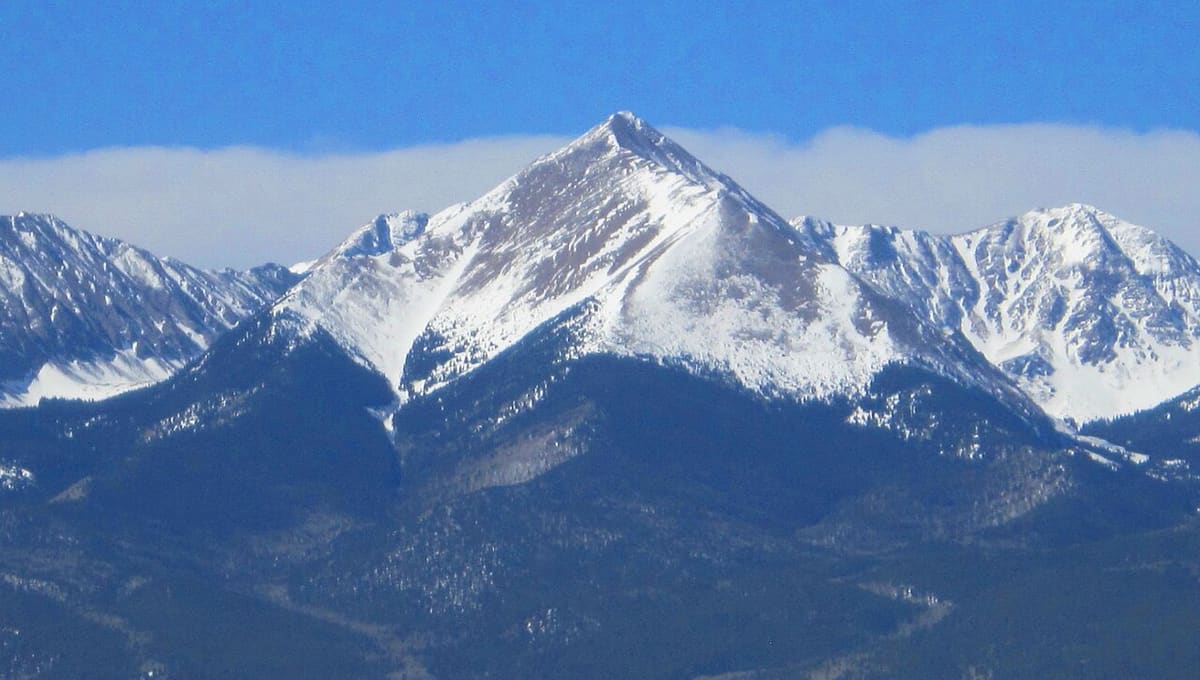
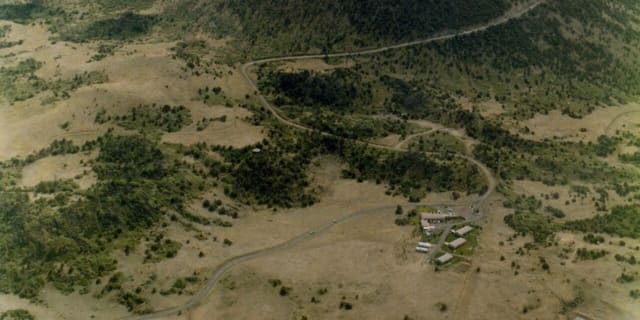
Image: Hogs555 · CC BY-SA 3.0 · Wikimedia Commons
Westcliffe is the county seat of Custer County, Colorado, a small town of just 435 people sitting in the Wet Mountain Valley between the Wet Mountains and the Sangre de Cristo range. Jointly certified with neighbouring Silver Cliff in 2015, it became Colorado's first International Dark Sky Community.
Why Westcliffe is a top stargazing spot
At more than 8,000 feet, Westcliffe is the highest-altitude dark sky community in North America, and the surrounding mountain ranges physically block skyglow from Colorado Springs, Cañon City and Pueblo. The town backs that natural advantage with a strict outdoor lighting ordinance requiring shielded fixtures that direct light downward rather than into the sky. Regular sky quality readings taken with a Unihedron SQM meter at ten locations around the valley, part of the volunteer-run Dark Skies of the Wet Mountain Valley monitoring programme, put Westcliffe at Bortle Class 2 to 3, with recent June readings reaching Bortle 2, the scale's own benchmark for a "typical truly dark site." Those numbers are a direct, measured result of the ordinance doing its job.
What you can see
The combination of high elevation, thin air and genuinely dark surroundings gives Westcliffe some of the clearest Milky Way views in Colorado, with the Sangre de Cristo peaks forming a dramatic silhouette against the stars.
Visiting Westcliffe at night
The Smokey Jack Observatory, a retractable-roof facility at Bluff Park, houses a 14-inch computerized telescope and hosts free public Star Parties from May through October, timed around notable astronomical events. Visitors can also book the observatory for private viewing sessions with trained Star Guides. Check the town's official site, townofwestcliffe.com, for the current schedule before you go.
Best time to go
Westcliffe's Milky Way season runs roughly March through September, when the galactic core climbs high enough to see clearly and matches the observatory's May-to-October Star Party calendar. Clear, dry nights are common at this altitude even outside that window, so the winter sky, with Orion and its neighbours, is also worth a look, and the Geminid meteor shower in mid-December can be spectacular from a site this dark. The Perseids in August and the Quadrantids in early January are the other two showers worth planning around. Whatever the season, aim for a night near the new Moon, give your eyes twenty to thirty minutes to adapt to the dark, and use a red light rather than a white torch or phone screen to keep your night vision intact.
Getting there
Westcliffe sits in the Wet Mountain Valley in south-central Colorado, reached by mountain highways from Colorado Springs, Cañon City and Pueblo, the same cities whose light the surrounding ranges help block. The drive in crosses mountain passes, so it is worth checking current road conditions before setting out, particularly in winter.
See your named star from here
Few places in North America combine altitude and darkness quite like Westcliffe, making it a genuinely good spot to search out a named star with its coordinates and a stargazing app, whether from Bluff Park or the surrounding valley. Browse the star catalogue to name your own, and see more dark-sky communities and observatories worth visiting.
Conditions and access vary by season. Check the official website and Google Maps before you travel, and aim for a clear night near the new Moon for the darkest sky.
Satellite imagery: Esri, Maxar, Earthstar Geographics

 2 kmCommunity
 33 kmDark Sky Park
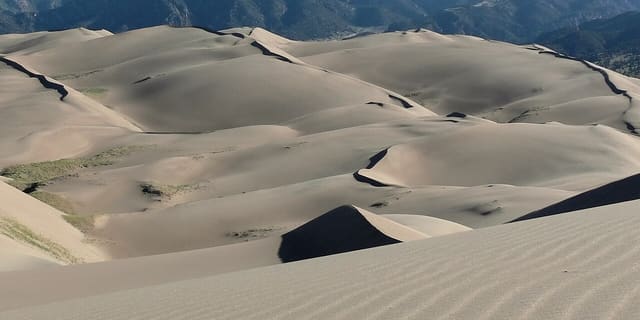
Great Sand Dunes National Park and Preserve
national park in Alamosa and Saguache counties in Colorado, United States

 88 kmDark Sky Park
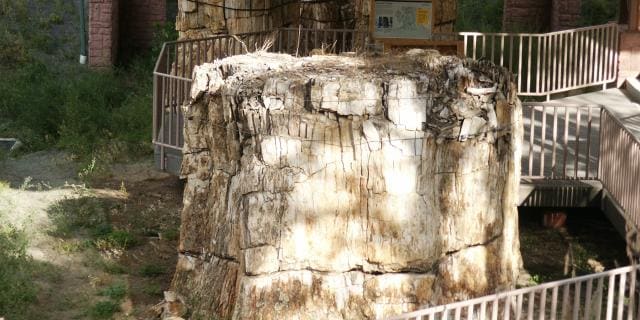
Florissant Fossil Beds National Monument
national monument in the United States

 200 kmDark Sky Park