
Florissant Fossil Beds National Monument

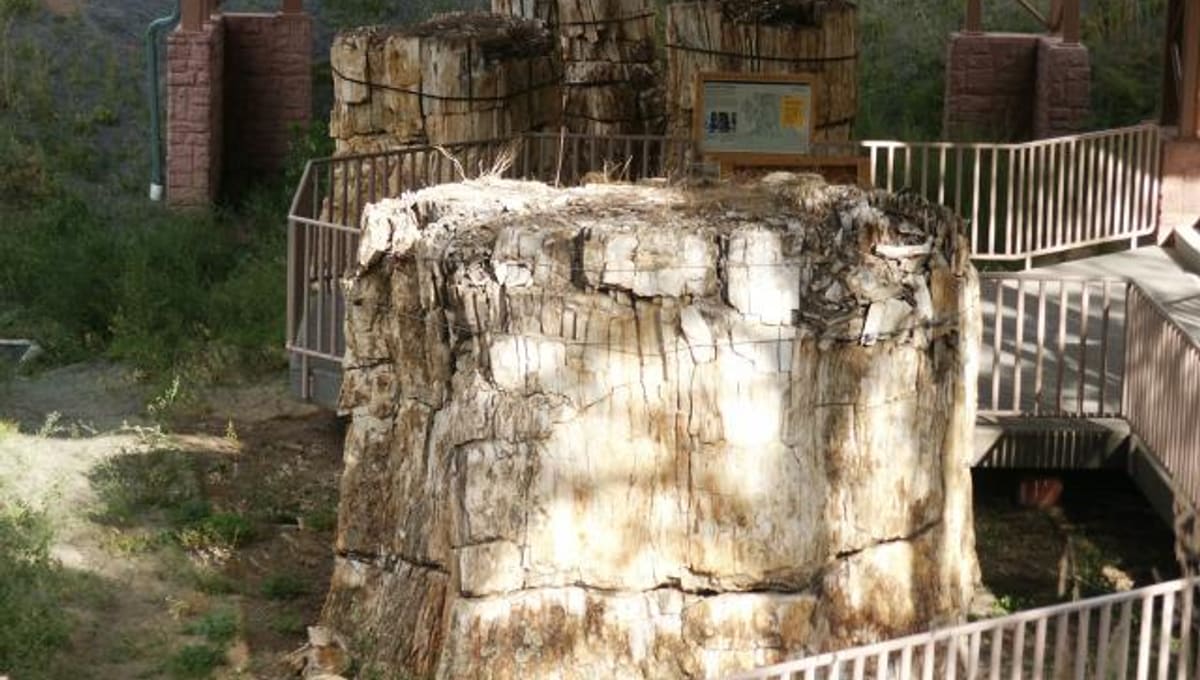
Image: CC BY-SA 3.0 · Wikimedia Commons
Florissant Fossil Beds National Monument protects an Eocene-era fossil lake bed in Teller County, Colorado, about 55 km west of Colorado Springs. Established in 1969 to safeguard its exceptionally preserved insect and plant fossils, the monument earned International Dark Sky Park certification on June 9, 2021. The southern Front Range of the Rocky Mountains helps shield its skies from nearby city light.
Why Florissant Fossil Beds National Monument is a top stargazing spot
Florissant Fossil Beds is the 13th International Dark Sky Place in Colorado and the 41st National Park Service unit to earn the accreditation. Its stargazing quality comes partly from geography: the southern Front Range screens the monument from urban light pollution, keeping its high-altitude sky exceptionally clear. On a clear night, visitors can see the Milky Way, galaxies, planets, comets and satellites overhead.
What you can see
Beyond the Milky Way's arch, the monument's dark skies bring out fainter galaxies and slow-moving satellites that are lost from town. Rangers and guest speakers run night-sky programs that point out seasonal highlights, and the Colorado Springs Astronomical Society has hosted regular star parties here since 2017, typically on Fridays, setting up telescopes for public viewing and running laser pointer constellation tours.
Visiting Florissant Fossil Beds National Monument at night
Night-sky programs run throughout the year, pairing ranger talks with telescope viewing organised alongside the Colorado Springs Astronomical Society. Because conditions and schedules can change, it's worth calling the monument at 719-748-3253 to confirm a program is going ahead before you make the drive out. Check the monument's official site for the current schedule too.
Best time to go
At this Colorado latitude, the Milky Way core is best viewed roughly March to September, low in the south during the pre-dawn hours, while winter brings crisp views of Orion and the other bright winter constellations at this high-altitude site. Meteor watchers should mark the Perseids in mid-August and the Geminids in mid-December, both well suited to the monument's open terrain. As with any dark-sky trip, plan around the new Moon for the darkest conditions, give your eyes at least twenty minutes to adapt, and use a red light rather than white to protect your night vision.
Getting there
The monument sits in Teller County, Colorado, about 55 km (35 miles) west of Colorado Springs, reached via US Route 24 and Teller County Road 1, with the southern Front Range providing a natural buffer from city light along the way.
See your named star from here
A sky this dark reveals stars far fainter than anything visible from a city rooftop, which makes Florissant Fossil Beds a genuinely good place to track down a star you've named. Bring your certificate's coordinates and a stargazing app, and you can locate your star firsthand beneath the monument's protected dark sky. If you haven't named one yet, browse our star packages or search the full star catalogue, and compare other certified dark-sky sites on our observatories page.
Conditions and access vary by season. Check the official website and Google Maps before you travel, and aim for a clear night near the new Moon for the darkest sky.
Satellite imagery: Esri, Maxar, Earthstar Geographics

 87 kmCommunity
 88 kmCommunity
Westcliffe
town in and county seat of Custer County, Colorado, United States

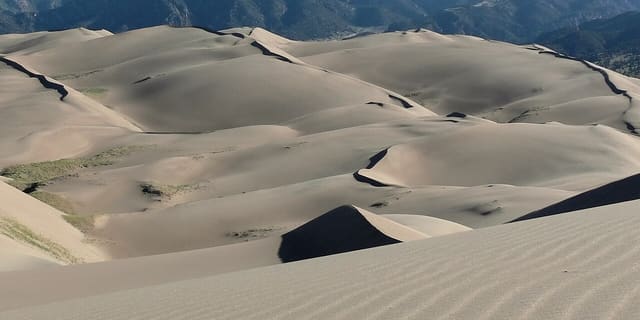 121 kmDark Sky Park
Great Sand Dunes National Park and Preserve
national park in Alamosa and Saguache counties in Colorado, United States

 215 kmDark Sky Park
Black Canyon of the Gunnison National Park
national park in Montrose County, Colorado, United States