
Silver Cliff


Image: Jeffrey Beall · CC BY 4.0 · Wikimedia Commons
Silver Cliff is a small town in Colorado's Wet Mountain Valley, sitting between the Wet Mountain and Sangre de Cristo ranges alongside its neighbour Westcliffe, at an elevation of nearly 8,000 feet. Together the two towns were jointly designated Colorado's first International Dark Sky Community in 2015, and the pair are now recognised as the highest-altitude Dark Sky Community in the world.
Why Silver Cliff is a top stargazing spot
With a combined population of around 1,155 as of the 2010 census, Silver Cliff and Westcliffe are well shielded from the skyglow of the I-25 corridor cities: Colorado Springs, Canon City, Pueblo and Walsenburg. Both town councils backed the designation with comprehensive outdoor lighting ordinances, and Westcliffe had already converted all 45 of its streetlights to dark-sky friendly fixtures by August 2001, well ahead of the formal certification. Ongoing monitoring backs up the reputation: quarterly sky quality readings taken at 30 varied locations around the valley have recently averaged Bortle Class 2, with the valley typically ranging between Class 2 and Class 3, among the darkest skies measured anywhere in the state.
What you can see
The valley setting between two mountain ranges keeps the horizon largely free of nearby light sources, giving clear views of the Milky Way and a dense field of stars on moonless nights. The Smokey Jack Observatory in Westcliffe, built in 2015 and named for Suzanne B. "Smokey Jack" Jack, who helped found the community's dark-sky effort, extends that view well beyond what the naked eye can pick out, with one of Colorado's largest and most modern telescopes.
Visiting Silver Cliff at night
Smokey Jack Observatory hosts free public star parties from May through October, each built around a different patch of sky: recent seasons have featured evenings on Bootes, Virgo and Hercules in May, Scorpius, Lyra and Cygnus in June, and Scorpius, Sagittarius and Ophiuchus in July. Check Dark Skies Colorado for the current calendar before you go, since dates and target constellations change from year to year.
Best time to go
May through September is the warmest stretch in the valley and lines up with the observatory's public star party season, making it the easiest time to combine comfortable conditions with a scheduled event. It also overlaps with the Milky Way's core season in the northern hemisphere, which runs roughly March to September and is at its best on summer evenings. Winter nights swap that view for Orion, Taurus and the other bright constellations of the cold-weather sky. The Perseid meteor shower peaks in mid-August, with the Geminids in mid-December and the Quadrantids in early January for those willing to brave the cold. Whatever the season, aim for a night near the new Moon, give your eyes 20 to 30 minutes to adapt to the dark, and use a red light to preserve that adaptation.
Getting there
Silver Cliff and Westcliffe sit together in the Wet Mountain Valley in Custer County, reached via Colorado's mountain highways rather than a direct interstate, which is part of why the valley stays so dark. Check silvercliffco.com for local visitor information before you travel.
See your named star from here
Skies dark enough to earn Colorado's first Dark Sky Community status, at the highest altitude of any in the world, are a fitting place to look for a star you've named through Star Register. Bring its coordinates and a stargazing app to a Smokey Jack star party or your own spot in the valley, browse the star catalogue to name one yourself, and see our observatories page for more telescope viewing options.
Conditions and access vary by season. Check the official website and Google Maps before you travel, and aim for a clear night near the new Moon for the darkest sky.
Satellite imagery: Esri, Maxar, Earthstar Geographics

 2 kmCommunity
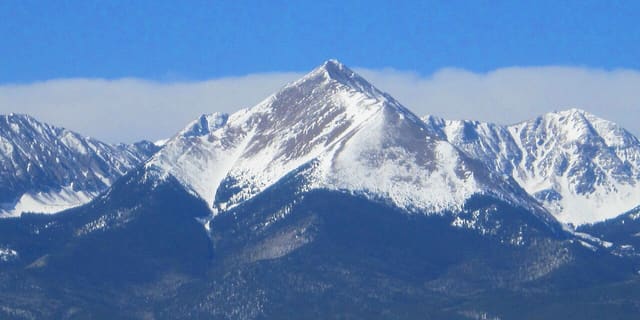
Westcliffe
town in and county seat of Custer County, Colorado, United States

 34 kmDark Sky Park
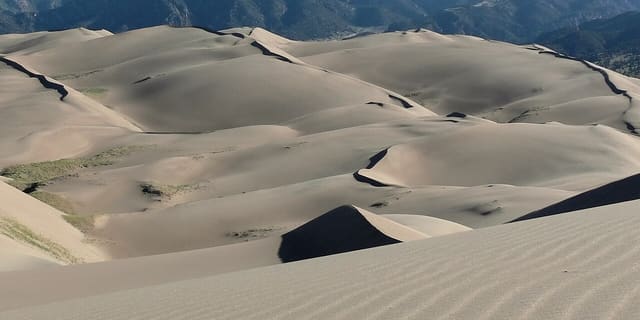
Great Sand Dunes National Park and Preserve
national park in Alamosa and Saguache counties in Colorado, United States

 87 kmDark Sky Park
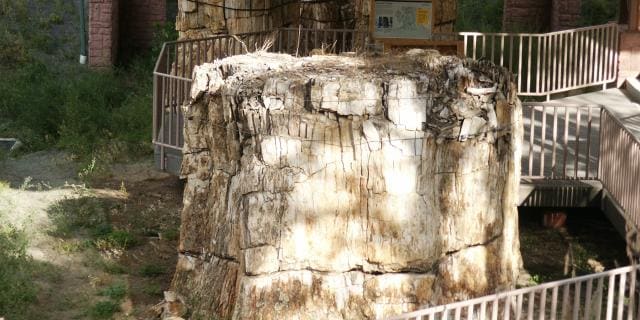
Florissant Fossil Beds National Monument
national monument in the United States

 199 kmDark Sky Park