
Great Sand Dunes National Park and Preserve

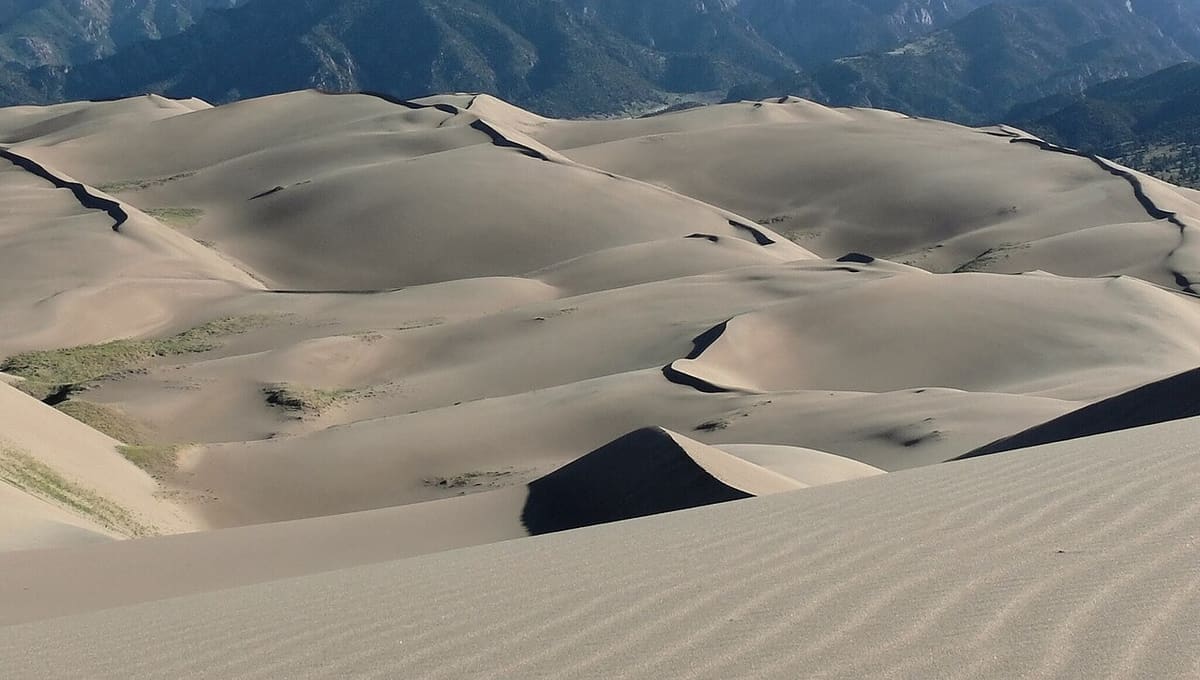
Image: Preiselbeere · CC BY-SA 3.0 · Wikimedia Commons
Great Sand Dunes National Park and Preserve, an International Dark Sky Park in Colorado's San Luis Valley, protects the tallest sand dunes in North America along with skies dark enough to reveal up to 15,000 stars on a clear night.
Why Great Sand Dunes is a top stargazing spot
The International Dark Sky Association certified Great Sand Dunes in 2019. Its skies are rated Bortle Class 2, and the surrounding Sangre de Cristo Mountains shelter the valley from the glow of Colorado's Front Range cities, a natural barrier that has made it a quiet astronomy destination for decades. Together the park and preserve cover just under 149,000 acres of dry, high-elevation air with minimal light pollution.
What you can see
Where city skies typically show fewer than 500 stars, visitors at Great Sand Dunes can see up to 15,000 on a clear, dark night, along with a Milky Way that stretches unbroken across the sky above the dune field. The galaxy is easiest to catch in the early morning hours during spring, and in the evening from mid-summer through early autumn, with August and September standing out as the best months for both the Milky Way's core and the season's brightest constellations.
Visiting Great Sand Dunes at night
The park is open 24 hours a day, seven days a week, year-round, with no timed entry or reservation required, which makes it easy to plan a night visit around the weather and moon phase. Rangers lead summer night-sky programmes; check the current schedule at the visitor centre (11999 State Highway 150, Mosca, CO 81146; 719-378-6395) before you go. Most visitors reach the dune field via the Dunes Parking Area, and daytime trails such as the Montville Nature Trail, Wellington Ditch Trail and Dunes Overlook Trail are worth exploring in the foothills before dark. It is also one of the quietest sites in the National Park System, so the experience is as peaceful as it is dark. Winter nights can turn frigid out on the open dune field, so dress for the cold if you're stargazing after dark that time of year.
Best time to go
August and September bring the best combination of the Milky Way's core and the season's brightest constellations at this latitude, with the galaxy also visible in the early morning hours through spring. The Perseid meteor shower peaks in mid-August, squarely inside that best-viewing window, while the Geminids in mid-December and the Quadrantids in early January reward anyone willing to brave the colder, quieter months. Whatever the season, choose a night near the new Moon, let your eyes adjust for twenty to thirty minutes, and use red light once you're out on the sand.
Getting there
Great Sand Dunes National Park and Preserve is in Colorado's San Luis Valley, reached via the visitor centre at 11999 State Highway 150 near Mosca. The Dunes Parking Area is the main access point for the dune field itself.
See your named star from here
With Bortle 2 skies and thousands of visible stars, Great Sand Dunes is a strong place to track down a star you have named. Bring the coordinates from your certificate and a stargazing app, and use the open dune field as your horizon. Explore the star catalogue, or check observatories near other dark sky destinations for your next trip.
Conditions and access vary by season. Check the official website and Google Maps before you travel, and aim for a clear night near the new Moon for the darkest sky.
Satellite imagery: Esri, Maxar, Earthstar Geographics

 33 kmCommunity
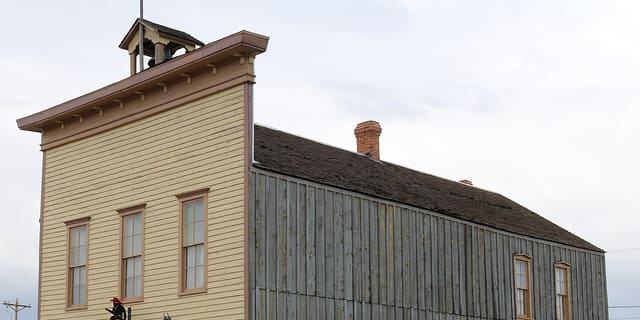
Westcliffe
town in and county seat of Custer County, Colorado, United States

 34 kmCommunity
 121 kmDark Sky Park
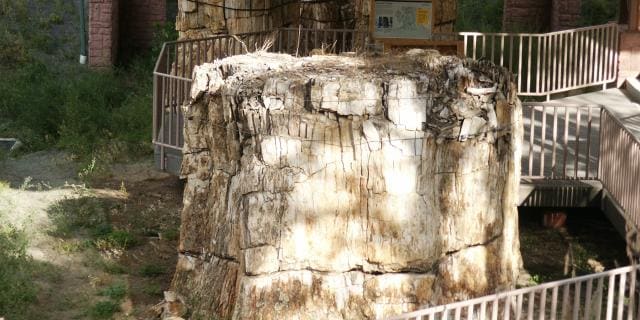
Florissant Fossil Beds National Monument
national monument in the United States

 179 kmDark Sky Park