
Capulin Volcano National Monument

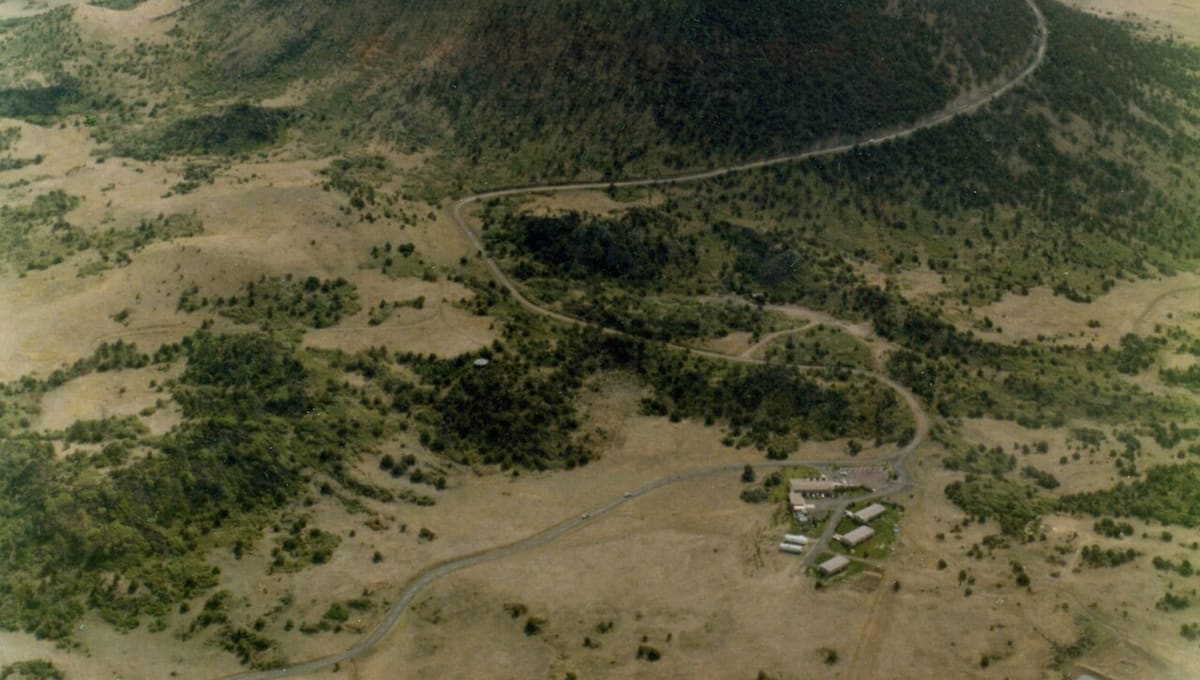
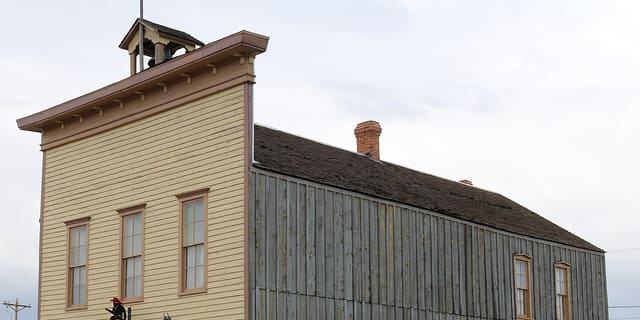
Image: R.D. Miller, USGS · Public domain · Wikimedia Commons
Capulin Volcano National Monument protects an extinct cinder cone volcano in northeastern New Mexico, about 30 miles east of Raton, and its high-elevation setting has made it one of the darkest, most accessible night-sky destinations in the region.
Why Capulin Volcano National Monument is a top stargazing spot
The monument holds a Gold Tier Dark Sky Place designation from the International Dark-Sky Association, awarded in 2016, recognizing skies with minimal light pollution. Independent sky-quality readings back that up: the site measures around Bortle Class 2, with sky quality meter readings of roughly 21.45 to 21.9 magnitudes per square arcsecond and a naked-eye limiting magnitude near 7.2, meaning stars invisible from most towns show up clearly here. Sitting above 6,000 feet in elevation, the site stays chilly even on summer nights, and thousands of stars are visible to the naked eye on a clear evening.
What you can see
The Milky Way is visible during the summer months, and the Perseid Meteor Shower is a particular highlight each August, with dark, open skies giving an unobstructed view of the shower's peak activity. In winter, the crisp high-desert air also brings out fainter detail in the winter constellations than most stargazers are used to seeing.
Visiting Capulin Volcano National Monument at night
The park runs Dark Sky viewing programs on most Saturday nights during summer, with select additional nights in other seasons, and provides large telescopes for public use during these events; no advance reservation is needed to attend. A dedicated night sky viewing area near the visitor center stays open 24 hours a day. Entry costs $20 per vehicle, $15 per motorcycle, or $10 for those arriving on foot or by bicycle, with visitors 15 and under admitted free; a $10 annual pass is available, and the America the Beautiful Federal Lands Pass is accepted. Because nights get cold even in summer, the park recommends a jacket, long pants, and closed-toe shoes for evening visits.
Best time to go
Northern New Mexico's Milky Way core season runs roughly March through September, so those months give the best chance of seeing the galaxy's bright band arc overhead, alongside the Perseid shower in August. Winter nights trade the Milky Way for a sharper view of Orion and the other winter constellations, and December brings the Geminid meteor shower, one of the year's most reliable, followed by the Quadrantids in early January. Whatever the season, plan around a new Moon for the darkest skies, give your eyes twenty to thirty minutes to adjust, and use a red light rather than white to protect your night vision.
Getting there
Capulin Volcano sits about 30 miles (48 km) east of Raton, the nearest town of any size in this corner of New Mexico. The monument is reached by paved road, and the National Park Service website has up-to-date directions and road conditions, worth checking before heading out after dark.
See your named star from here
Capulin's dark, high-elevation skies make it a great place to find a star you have named with Star Register. Bring the coordinates from your certificate and a stargazing app to the night sky viewing platform, then explore the star catalogue or our list of observatories for more places to look up.
Conditions and access vary by season. Check the official website and Google Maps before you travel, and aim for a clear night near the new Moon for the darkest sky.
Satellite imagery: Esri, Maxar, Earthstar Geographics

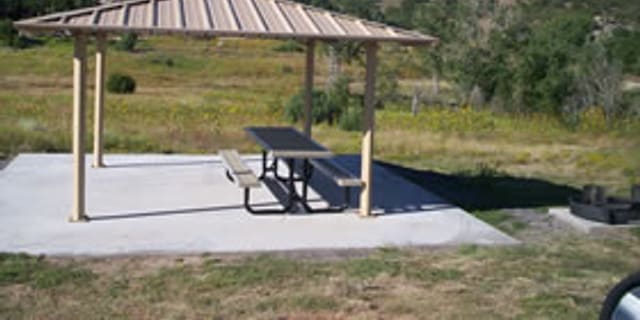 63 kmDark Sky Park
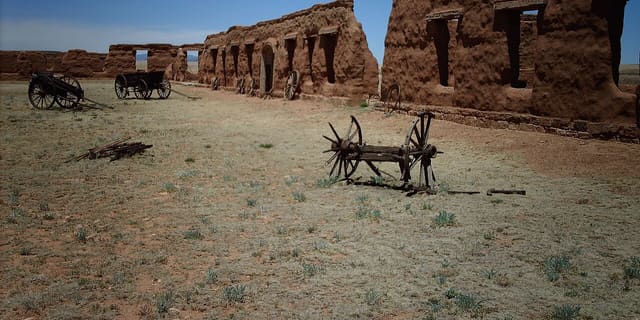 135 kmDark Sky Park
 179 kmDark Sky Park
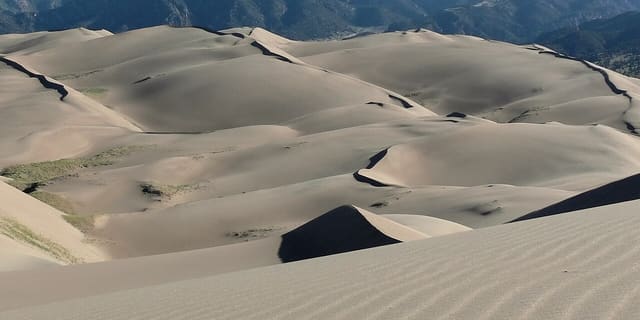
Great Sand Dunes National Park and Preserve
national park in Alamosa and Saguache counties in Colorado, United States

 199 kmCommunity