
Clayton Lake State Park

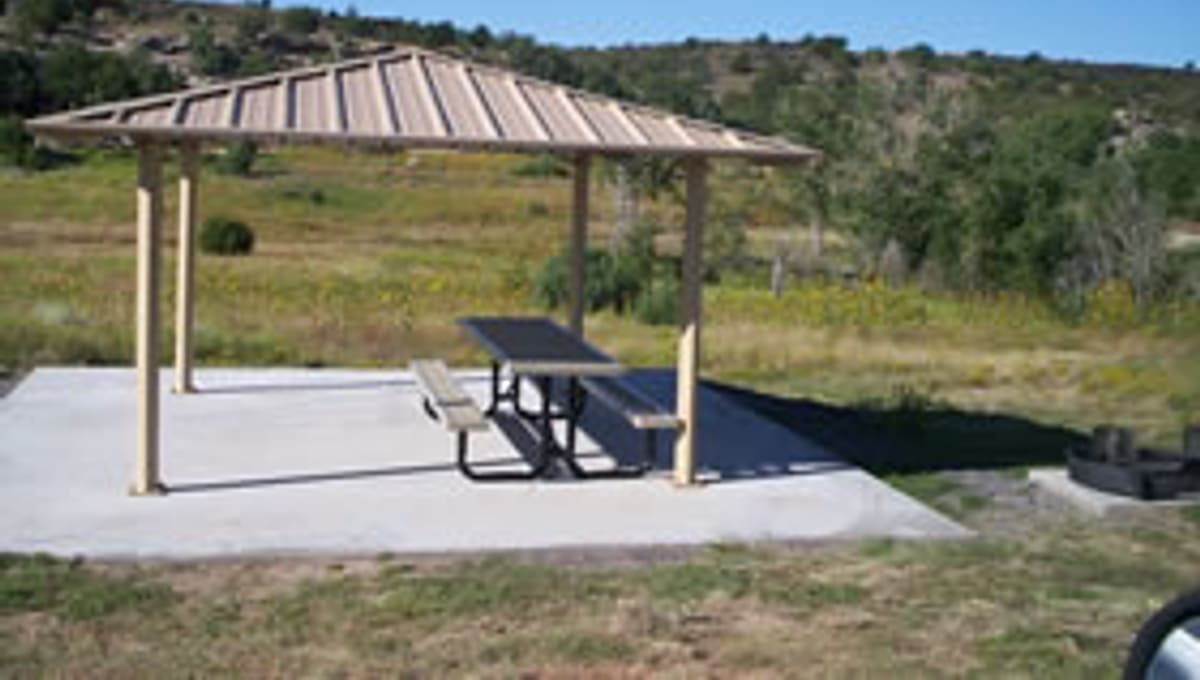
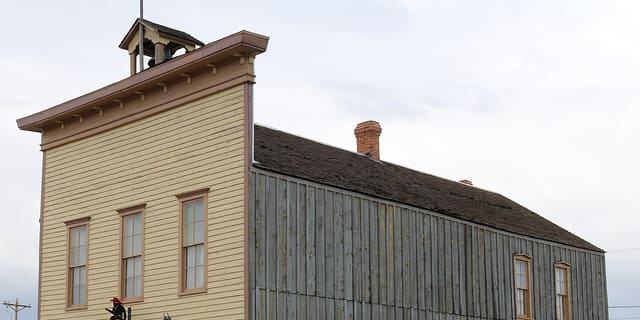
Image: Originalhandy at English Wikipedia · CC BY 2.5 · Wikimedia Commons
Clayton Lake State Park sits 15 miles north of Clayton in northeastern New Mexico, on the western edge of the Great Plains. It was New Mexico's first International Dark Sky Park, certified at Gold level in 2010, and today it protects some of the darkest skies measured anywhere in the country.
Why Clayton Lake State Park is a top stargazing spot
The park's Gold-level certification reflects Bortle Class 1 sky conditions, the darkest rating on the scale, backed by sky quality readings of 21.6 magnitudes per square arcsecond, a benchmark figure for genuinely pristine dark skies. Almost no artificial light interferes with the view overhead. The park sits at roughly 5,900 feet of elevation on open grassland, with volcanic rock and sandstone bluffs framing a wide, unobstructed horizon. It's also home to the Lake Observatory, fitted with a 14-inch Mead telescope for public viewing nights.
What you can see
Under Bortle 1 skies the Milky Way stretches clearly across the sky, along with faint deep-sky objects that are invisible from almost any town or city. Meteor showers and planetary conjunctions are easy to pick out, and the park runs monthly stargazing events timed around the new moon, when the sky is at its darkest, throughout the year.
Visiting Clayton Lake State Park at night
The park is reached via New Mexico State Road 455 and offers 26 campsites, including 9 RV sites with utilities, so overnight stays are straightforward. By day, visitors can explore the 170-acre reservoir and the park's extensive dinosaur trackway of more than 500 fossilised footprints. For night visits, bring a red-filtered flashlight to protect your night vision and check the park's schedule for the next new-moon star party before you go.
Best time to go
Clayton Lake lies in the northern hemisphere, so the Milky Way's bright core is at its best from roughly March through September, arcing high overhead on summer evenings. Winter swaps the core for the sharp winter constellations, including Orion, which are easy to pick out in skies this dark. The Perseid meteor shower peaks in August and the Geminids in December, both well worth planning around, alongside the park's own monthly new-moon star parties. As always, dark adaptation takes 20 to 30 minutes, so give your eyes time and use only red light once you're out under the stars.
Getting there
The park sits in Union County, about 15 miles north of the town of Clayton via New Mexico State Road 455, close to where New Mexico meets Colorado, Oklahoma and Texas. Clayton is the nearest town with fuel and services, and it's worth planning the drive out onto the open grassland with a full tank, since the park itself is remote.
See your named star from here
A Bortle Class 1 sky like Clayton Lake's, with sky quality readings of 21.6 magnitudes per square arcsecond, reveals stars that stay hidden under city light pollution, making it an ideal place to track down a named star using its coordinates and a stargazing app. Browse the full star catalogue or explore other observatories for more dark-sky destinations.
Conditions and access vary by season. Check the official website and Google Maps before you travel, and aim for a clear night near the new Moon for the darkest sky.
Satellite imagery: Esri, Maxar, Earthstar Geographics

 63 kmDark Sky Park
 170 kmDark Sky Park
 239 kmDark Sky Park
Great Sand Dunes National Park and Preserve
national park in Alamosa and Saguache counties in Colorado, United States

 256 kmCommunity