
Pitcairn Islands

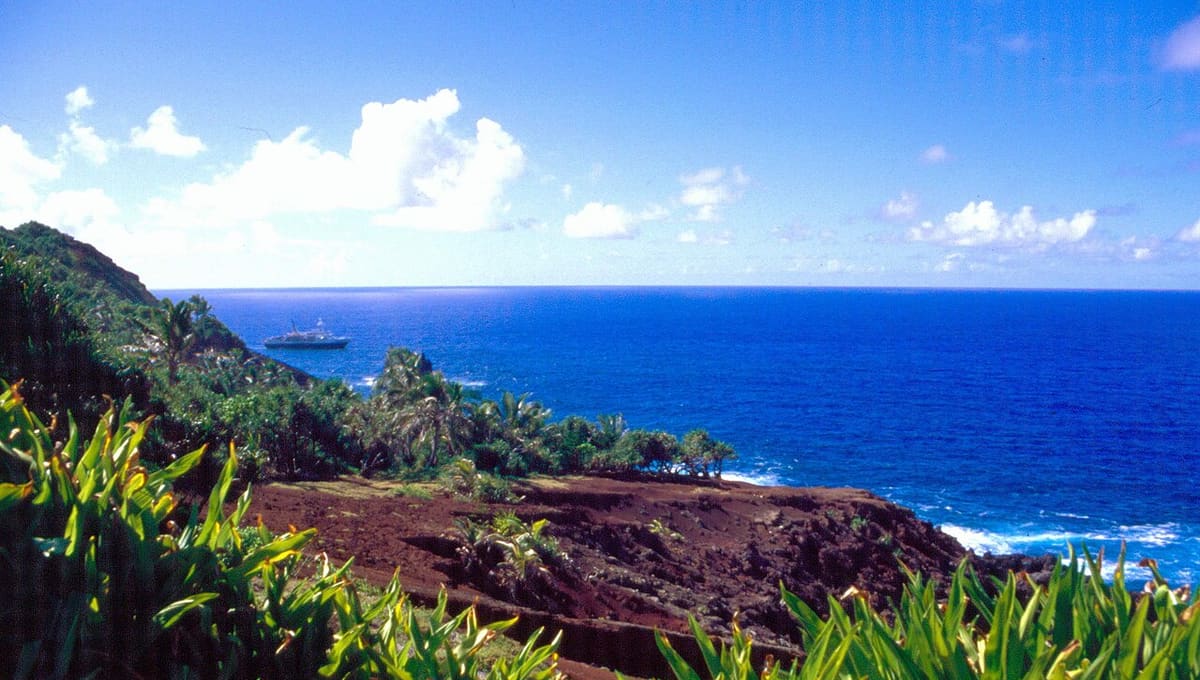
Image: Makemake at German Wikipedia · CC BY-SA 3.0 · Wikimedia Commons
The Pitcairn Islands, a British Overseas Territory made up of Pitcairn, Henderson, Ducie and Oeno in the South Pacific, form one of the most isolated inhabited places on Earth. On 4 April 2019 they were designated an International Dark Sky Sanctuary, the only island group with that status and the first British Overseas Territory to achieve it.
Why the Pitcairn Islands are a top stargazing spot
The sanctuary, named Mata ki te Rangi, or 'Eyes to the Skies,' protects some 520,000 square miles of ocean and sky, one of only 15 Dark Sky Sanctuaries in the world. Sky Quality Meter readings here run between 21.7 and 21.9, exceptional darkness nearly equal to the best measured sites anywhere. The islands' extreme remoteness helps: the nearest inhabited land is Mangareva, 688 kilometres to the west, or Easter Island, 1,929 kilometres to the east. Pitcairn even switches off its power supply from 10:30pm to 6:00am daily to keep the skies dark. Local islanders have been trained in stargazing essentials and telescope and binocular use, and small astro-tourism ventures have grown up around the sanctuary status to support the island's tiny visitor economy.
What you can see
With essentially no artificial light for hundreds of kilometres in any direction, the Milky Way stretches vividly overhead, and the islands' Southern Hemisphere location brings the Magellanic Clouds and southern constellations into view alongside a density of stars that few places on the planet can match. One thing you won't see is the aurora australis: at roughly 25 degrees south, Pitcairn sits too far north of the typical southern auroral zone for the lights to appear.
Visiting the Pitcairn Islands at night
Only Pitcairn Island itself is inhabited, out of a combined land area of around 47 square kilometres, so reaching the sanctuary takes real planning. Once there, the nightly power shutdown means dark adaptation happens naturally, so bring a red light if you need one.
Best time to go
Because Pitcairn's skies are dark essentially every clear night, the main variable is the Moon: plan your trip around a new Moon window for the deepest views, since there is little other light to compete with once the Moon sets. As a Southern Hemisphere site, the Milky Way core is at its best from around February through October, and clear tropical nights mean the core, the Magellanic Clouds and a dense field of southern stars are all on show without needing any dark adaptation equipment beyond patience and 20 to 30 minutes of waiting.
Getting there
Pitcairn has no airport, so most visitors arrive by cargo-passenger ship from Mangareva in French Polynesia, a journey of several days across open ocean. Tour operators including Young Pioneer Tours, Adventure Life and Pitcairn Islands Tourism run trips to the island; check the official Pitcairn government or tourism site for current sailing schedules before booking.
See your named star from here
Few places on Earth offer skies as dark as Pitcairn's, making it an extraordinary spot to track down a star you've named through Star Register using its coordinates and a stargazing app. Browse the star catalogue, explore other certified dark-sky destinations, or see nearby observatories.
Conditions and access vary by season. Check the official website and Google Maps before you travel, and aim for a clear night near the new Moon for the darkest sky.
Satellite imagery: Esri, Maxar, Earthstar Geographics

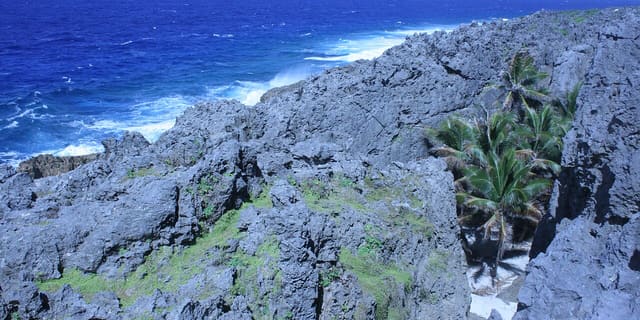 4,142 kmSanctuary
Niue Dark Sky Nation
island country in the South Pacific Ocean in free association with New Zealand

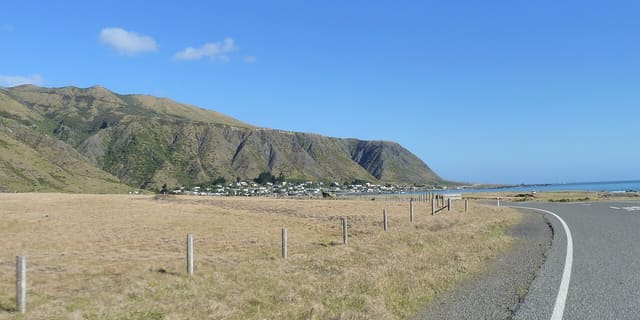 5,279 kmReserve
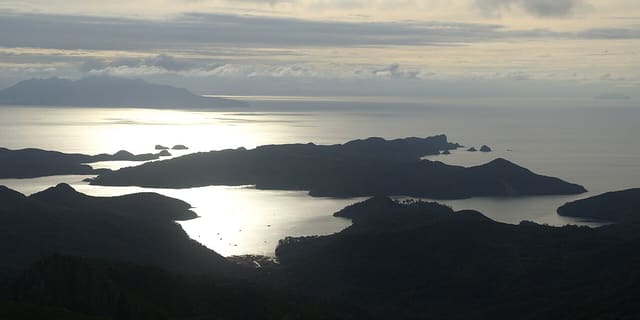 5,287 kmSanctuary
 5,435 kmPreserve