
Niue Dark Sky Nation

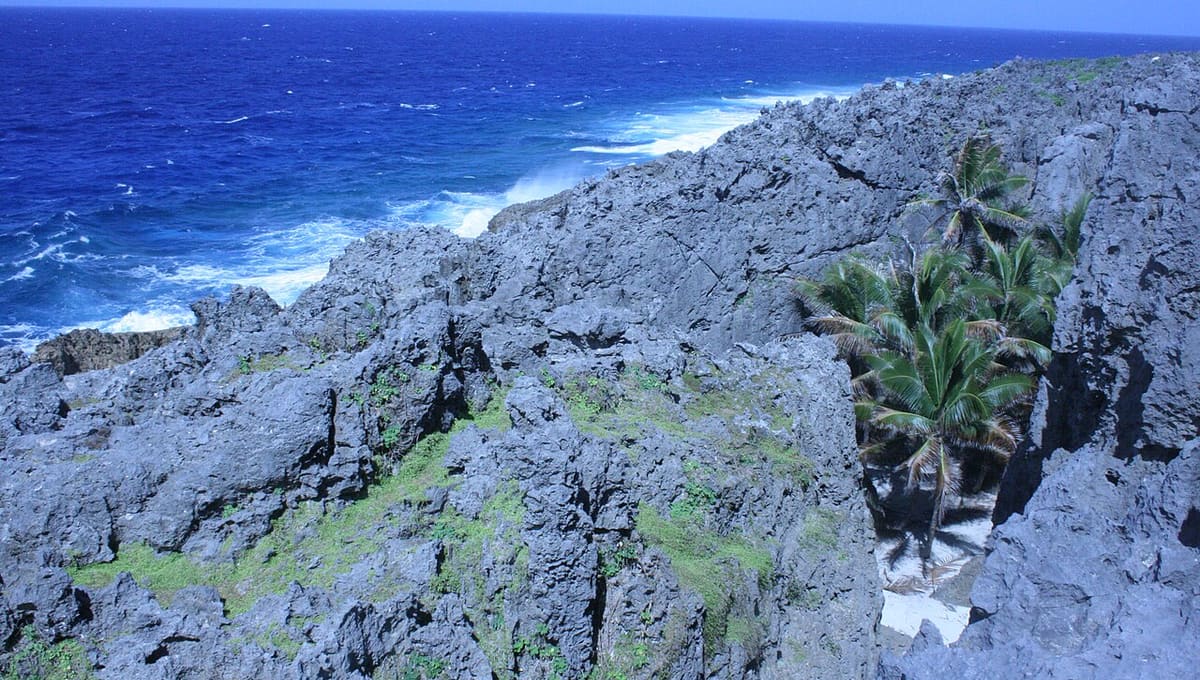
Image: Pia Andrews from Australia · CC BY 2.0 · Wikimedia Commons
Niue is a small, self-governing island nation in the South Pacific, in free association with New Zealand, and in 2020 it became the world's first entire country to earn International Dark Sky Sanctuary status. Sitting at about 19 degrees south latitude, its isolation and low population density make its night sky one of the darkest available anywhere.
Why Niue Dark Sky Nation is a top stargazing spot
Niue's certification as an International Dark Sky Sanctuary came after conventional street lighting across the island was retrofitted with dimmer, orange-hued LEDs, a project carried out in collaboration between the government and amateur astronomers. Being the world's first dark sky nation, rather than a single park or reserve, means the protection extends across the whole country. Niue's remoteness adds to the effect: the nearest neighbouring island group, Tonga's Vava'u, is more than 430 km away, so there is little light pollution drifting in from elsewhere.
What you can see
From Niue's southern latitude, the sky offers views unavailable from most of the northern hemisphere: the Southern Cross, the Large and Small Magellanic Clouds, and the bright globular cluster 47 Tucanae are all visible. At the same time, familiar mid-latitude constellations such as Orion, Taurus and Scorpius also appear, giving visitors from north or south something recognisable alongside the purely southern sights. Niueans have long used the night sky for navigation, with astronomical knowledge passed down through generations of elders, so the island's dark skies carry cultural as well as scientific significance.
Visiting Niue Dark Sky Nation at night
Niue's tropical climate means cloud cover varies through the year, with the wetter, cloudier season running roughly November to February and clearer, more reliable skies from June to August. The same dark-sky protections that help stargazers also benefit local wildlife, reducing the disruptive blue light that can interfere with sea turtle nesting and coral spawning around the island.
Best time to go
June to August offers Niue's clearest, driest skies and is the best general window for stargazing, though the core of the Milky Way is best placed for southern-hemisphere viewers roughly February to October. Whenever you visit, time your trip around the new Moon for the darkest conditions, allow 20 to 30 minutes for your eyes to adapt to the dark, and use only red light at night to protect your night vision.
Getting there
As a remote South Pacific island nation, Niue is reached by air, and its isolation from other landmasses is exactly what keeps its skies so dark; travellers should check current flight connections before planning a trip, since options to such a small, remote nation can be limited.
See your named star from here
Few places on Earth offer skies as unspoiled as Niue's, making it an exceptional spot to find a star you've named through Star Register. With your certificate's coordinates and a stargazing app, Niue's protected darkness gives you a genuine shot at picking your star out of a sky far richer than most people ever see; explore the star catalogue to get started, and check observatories if you want expert help on the night.
Conditions and access vary by season. Check the official website and Google Maps before you travel, and aim for a clear night near the new Moon for the darkest sky.
Satellite imagery: Esri, Maxar, Earthstar Geographics

 2,386 kmSanctuary
 2,820 kmReserve
 2,969 kmDark Sky Park
 3,009 kmPreserve