
Great Basin National Park

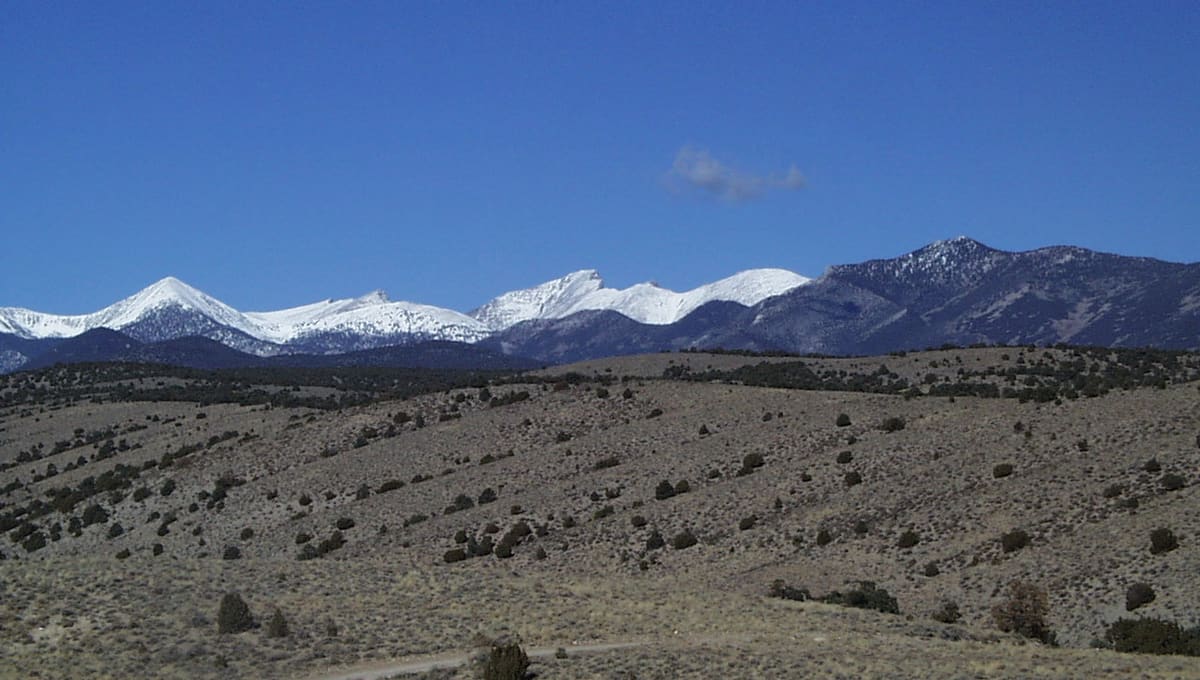
Image: Public domain · Wikimedia Commons
Great Basin National Park, an International Dark Sky Park in White Pine County near the Nevada-Utah border, sits in one of the least populated corners of the lower 48 states and is regularly named among the best stargazing destinations in the country.
Why Great Basin National Park is a top stargazing spot
DarkSky International certified Great Basin as an International Dark Sky Park in 2016, and its skies have been rated a perfect Bortle Class 1, the darkest possible rating on the scale. The park's basin-and-range topography shields it from the skyglow of distant cities, and its remote setting, far from any significant population centre, keeps light pollution close to zero. It's a rare combination that makes the park one of the most reliably dark places to look up in the country.
What you can see
Under Bortle 1 skies the Milky Way is vivid enough to cast a faint shadow, and the sheer density of visible stars is something few visitors will have experienced before. The park is also home to the Great Basin Observatory, built in 2016 and fitted with a 27.5-inch remotely operated research-grade telescope, the first observatory of its kind inside a US national park. Between the naked-eye view and what's on offer through a telescope, Great Basin is consistently ranked among the premier stargazing destinations in the United States.
Visiting Great Basin National Park at night
The park runs a full calendar of astronomy programming through the summer. Ranger-led sessions at the Astronomy Amphitheater pair a 30-minute talk with 90 minutes of telescope viewing, and Wednesday evenings bring constellation talks at the Baker Access Trail. Solar telescopes are set up on summer afternoons at the Lehman Caves Visitor Center for safe sunspot viewing. The annual Great Basin Astronomy Festival adds guest speakers, photography workshops and extra evening telescope sessions across several days. Most programs run Thursday through Sunday from Memorial Day to Labor Day, are free, and don't require reservations, though capacity is limited by parking. Programs are weather-dependent and get cancelled if rain or lightning is within 30 minutes, so check conditions before you set out.
Best time to go
Summer nights bring the busiest and most family-friendly programming, but the sky itself is dark year-round. The Perseid meteor shower peaks in mid-August, right in the middle of the park's festival season, while the Geminids in December and the Quadrantids in January reward anyone willing to brave the cold for an even darker, quieter sky with no crowds. Winter also brings Orion and the brighter winter constellations well clear of the horizon. Whenever you visit, aim for a new Moon, allow 20 to 30 minutes for your eyes to adapt to the dark, and bring a red light rather than a white torch.
Getting there
The park is most commonly reached via Nevada State Route 488, connected to US Routes 6 and 50 by Nevada State Route 487 through the small town of Baker, the park's closest settlement. Because facilities are limited in such a remote area, check the official park website before travelling to plan your route and any overnight arrangements.
See your named star from here
A Bortle Class 1 sky is about as dark as it gets on Earth, which makes Great Basin an outstanding place to find a star you have named. Bring the coordinates from your certificate and a stargazing app, browse the star catalogue beforehand, or check other dark sky sites via our observatories page.
Conditions and access vary by season. Check the official website and Google Maps before you travel, and aim for a clear night near the new Moon for the darkest sky.
Satellite imagery: Esri, Maxar, Earthstar Geographics

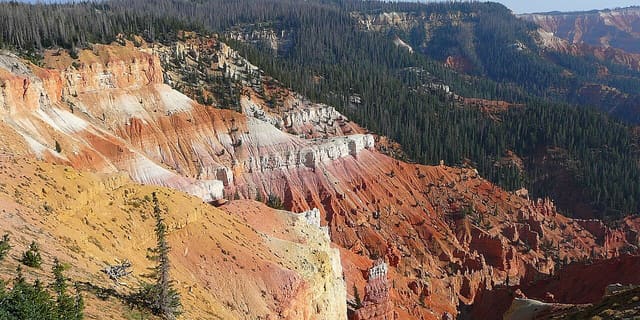 193 kmDark Sky Park
Cedar Breaks National Monument
national monument in Iron County, Utah, United States

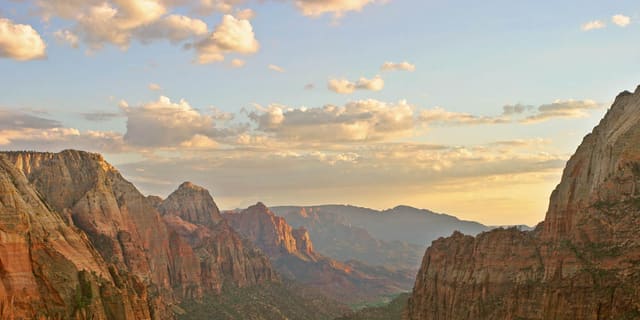 228 kmDark Sky Park
Zion National Park
national park in Washington, Iron, and Kane counties in Utah, United States

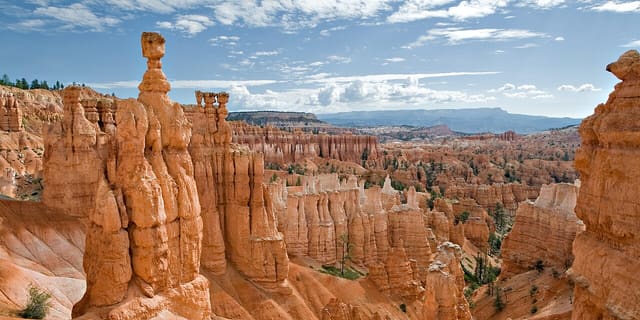 235 kmDark Sky Park
Bryce Canyon National Park
national park in Garfield and Kane counties in Utah, United States

 255 kmCommunity