
Dinosaur National Monument

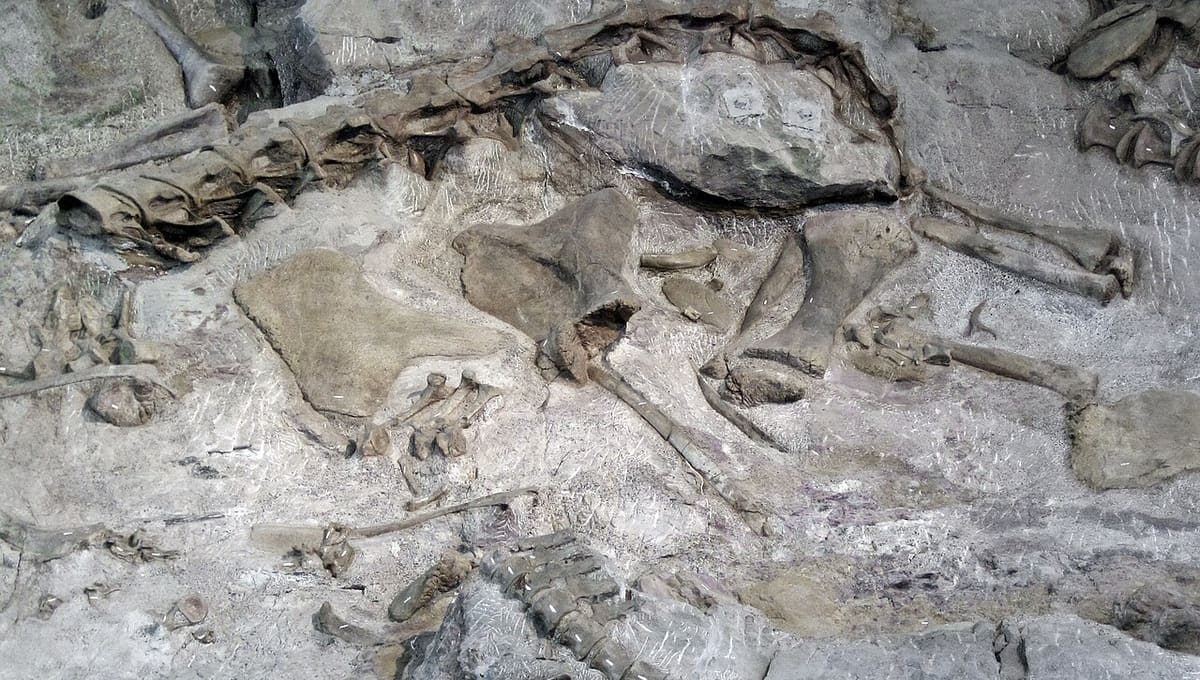
Image: James St. John · CC BY 2.0 · Wikimedia Commons
Dinosaur National Monument spans 211,000 acres straddling the Colorado-Utah border, on the southeast flank of the Uinta Mountains where the Green and Yampa rivers meet, and it carries International Dark Sky Park status.
Why Dinosaur National Monument is a top stargazing spot
The monument was certified an International Dark Sky Park in April 2019, becoming the fifth dark sky place in Colorado and the twelfth in Utah. Its scale and remoteness, far from major cities, keep the skies over its canyons and rivers largely free of light pollution, and parts of the monument reach Bortle Class 1, the very darkest rating on the scale.
What you can see
Away from artificial light, the monument's dark skies reveal a dense, detailed Milky Way and far more stars than are visible near the Front Range or Wasatch Front cities on either side of the border. The rivers and canyon rims offer wide, open sightlines for naked-eye stargazing.
Visiting Dinosaur National Monument at night
Rangers run summer stargazing programs at Split Mountain Campground, which has a designated stargazing area, and the monument's night sky programming has previously included sessions such as Stargazing with Telescopes, Night Sky for the Naked Eye, and Night Hikes Under Moonlight; check the National Park Service site for what is currently scheduled. Split Mountain is the only one of the monument's six campgrounds open and accessible year-round, while the others, including Rainbow Park, Echo Park and Deerlodge Park, generally run from April to October. The Quarry Visitor Center and Exhibit Hall, about seven miles north of Jensen, Utah, displays the monument's dinosaur fossils, and by day the Green and Yampa rivers offer scenic float trips and fishing. Entry costs $25 per vehicle. As always, plan around the new Moon, let your eyes dark-adapt, and use red light to preserve your night vision.
Best time to go
Aim for a clear night close to the new Moon and allow 20 to 30 minutes for your eyes to adapt to the dark before the sky reveals its full detail. From this latitude on the Colorado-Utah border, the Milky Way's core is best placed from roughly March to September, while the crisp winter air brings out Orion and the other winter constellations over the canyons. The Perseids in August, the Geminids in December and the Quadrantids in January are all well seen here, and summer visits let you combine a clear-sky evening with the ranger-led programs at Split Mountain.
Getting there
The Dinosaur Quarry and Exhibit Hall sit north of Jensen, Utah, with Vernal, Utah, as the nearest city. On the Colorado side, most of the monument's land lies in Moffat County, near the small town of Dinosaur, at the confluence of the Green and Yampa rivers.
See your named star from here
Dinosaur's dark, wide-open skies, reaching Bortle Class 1 in places, make it a genuinely good place to try to spot the star you named. Bring its coordinates from your certificate along with a stargazing app, learn how to find your star in the night sky, browse the star catalogue or nearby observatories, and see the star-naming packages if you would like to name one.
Conditions and access vary by season. Check the official website and Google Maps before you travel, and aim for a clear night near the new Moon for the darkest sky.
Satellite imagery: Esri, Maxar, Earthstar Geographics

 46 kmDark Sky Park
 205 kmDark Sky Park
 206 kmDark Sky Park
 223 kmDark Sky Park