
Yale-Columbia Station

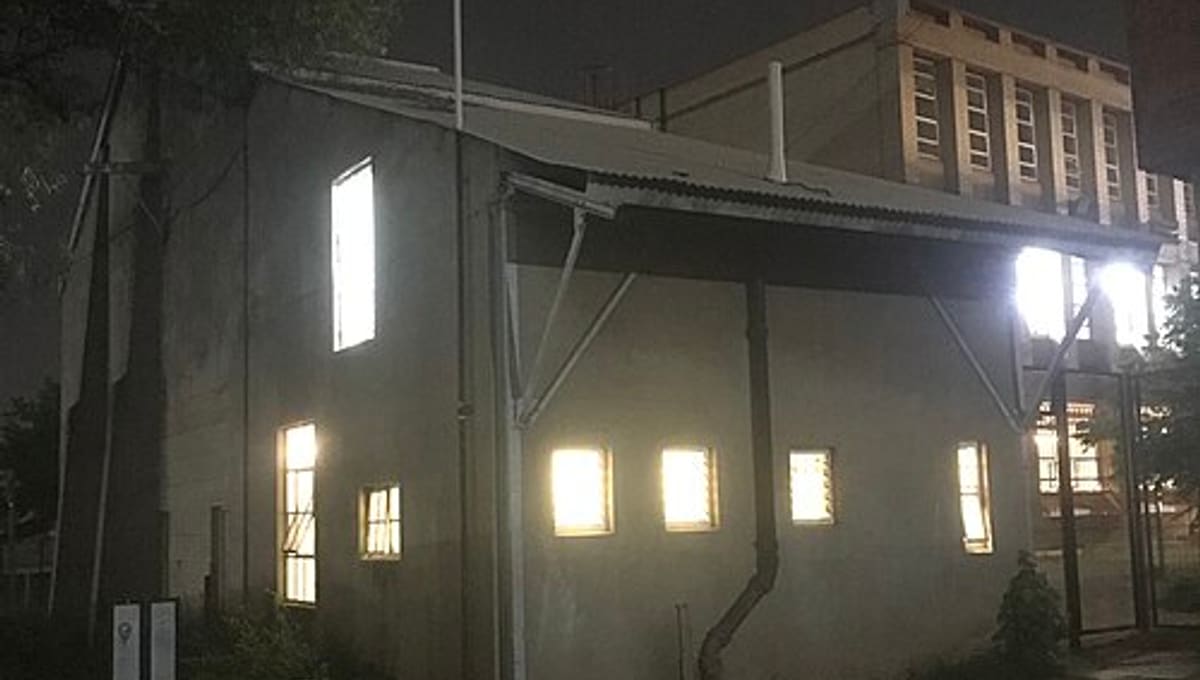
Image: Wikimedia Commons
Yale-Columbia Station is a historic astronomical observatory site in Johannesburg, South Africa, founded by Yale University to study the southern sky.
About Yale-Columbia Station
Originally established on the Milner Park Show Grounds, the site was later absorbed into the campus of the University of the Witwatersrand as the campus expanded. From the 1940s, Columbia University collaborated with Yale here, and the facility became known as the Yale-Columbia Southern Observatory (YCSO).
History
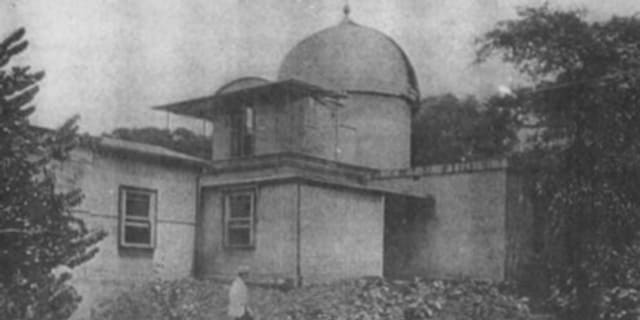
The observatory was founded in 1925 at the initiative of Frank Schlesinger, director of the Yale University Observatory and publisher of the Bright Star Catalogue, who wanted an economical way to measure the distances of southern stars. He sailed to South Africa with a 26-inch refractor and supervised its mounting in a purpose-built meridian building. Combined with observations from the Cape Observatory, the resulting 23-year programme was completed in 1951, giving southern stars distance measurements nearly as complete as those already known for the north. With its main task done and urban light pollution rising, the observatory closed and the 26-inch refractor was moved to Mount Stromlo Observatory in 1952. A corporate entity, Yale-Columbia Southern Observatory, Inc., was spun out in 1962 in continued collaboration with Columbia University.
Telescopes & research
The site's defining instrument was its 26-inch refractor, housed in a meridian building that restricted observations to either side of the meridian, creating deliberate “dead zones” in the sky. No residences were built nearby, to keep the surrounding area free of light pollution for as long as possible.
Location & getting there
Yale-Columbia Station sits at an elevation of about 1,762 metres in Johannesburg, South Africa. The Wits planetarium now stands on the land next to the former observatory site.
Visiting Yale-Columbia Station
The original observatory building is now part of the University of the Witwatersrand campus. Check with the university or the Wits planetarium for current access to the site.
See your named star from here
Yale-Columbia Station's whole purpose was measuring precise positions of southern stars, the same right ascension and declination that identify a star named through Star Register. Browse the star catalogue to see how those coordinates work.
Opening hours and public-visit programs vary by season. Check the official website and Google Maps for current times before you travel.
Institutional and reference sources used to verify this guide.
Satellite imagery: Esri, Maxar, Earthstar Geographics

 49 km
49 km
 501 km
Natal Observatory
astronomical observatory in the Colony of Natal from 1882 to 1911