
Radcliffe Observatory


Image: Wikimedia Commons
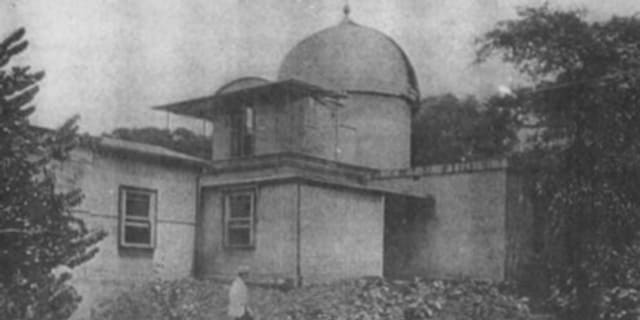
Radcliffe Observatory in Pretoria, South Africa, was built in 1934 to continue the work of Oxford University's original Radcliffe Observatory after that institution's closure.
About Radcliffe Observatory
When the Radcliffe Trustees sold their Oxford site in 1934, they relocated the observatory's mission to the high veld near Pretoria, on a site provided by the city's municipality. Sitting at an elevation of 1,552 metres, the new location offered clearer, higher-altitude skies suited to serious astronomical work.
History
Construction and equipping of the new observatory took years, delayed in part by the Second World War. Its centrepiece, a 72-inch telescope, was finally installed in 1948. At the time of its installation, it was the largest telescope in the southern hemisphere and ranked among the largest in the world.
Telescopes & research
The 72-inch telescope gave astronomers based in Pretoria access to observing power that had previously been concentrated almost entirely in the northern hemisphere, opening up detailed study of southern skies that had been comparatively under-observed.
Location & getting there
The observatory sits on the high veld near Pretoria, South Africa, at 1,552 metres elevation, within the Africa region. Use the map and directions on this page to find the site.
Visiting Radcliffe Observatory
Specific current public visiting arrangements for the Pretoria site are not confirmed here; check official or local tourism sources before planning a trip.
See your named star from here
The high veld's clear, elevated skies were exactly what made this site attractive for a 72-inch telescope, and the same conditions make it a fitting place to imagine locating a named star by its right ascension and declination. Name a star, or browse the star catalogue.
Opening hours and public-visit programs vary by season. Check Google Maps for current times before you travel.
Institutional and reference sources used to verify this guide.
Satellite imagery: Esri, Maxar, Earthstar Geographics

 49 km
49 km
 527 km
Natal Observatory
astronomical observatory in the Colony of Natal from 1882 to 1911