
Natal Observatory

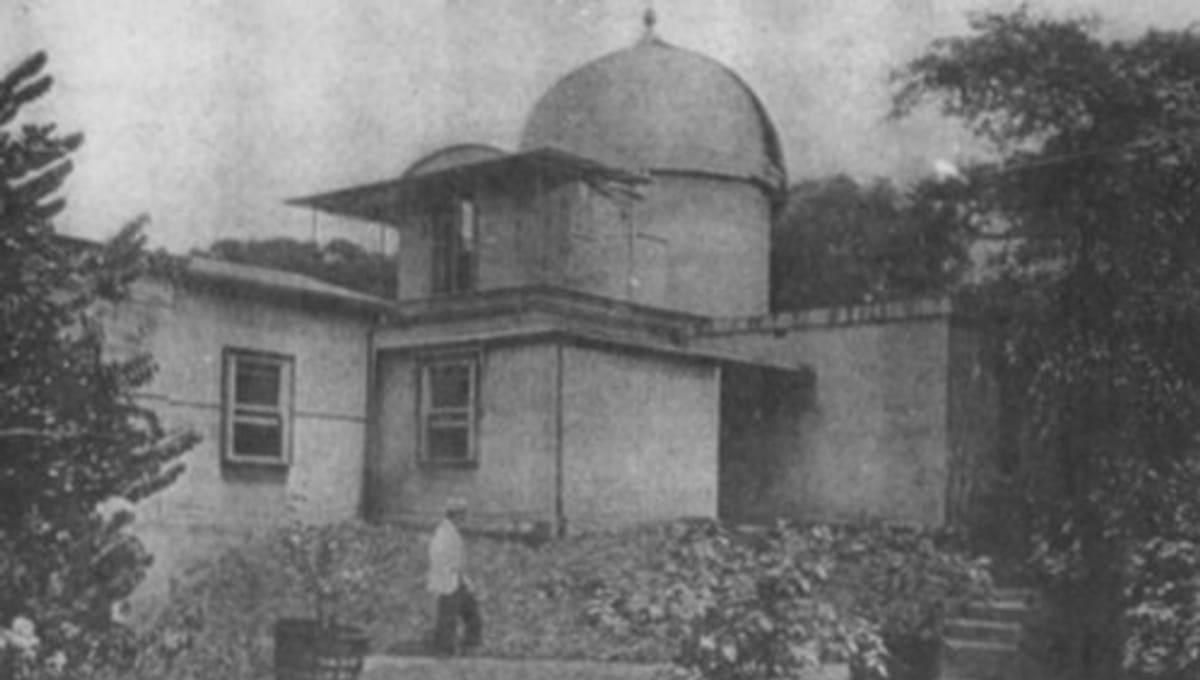
Image: Wikimedia Commons
The Natal Observatory was a 19th-century astronomical station in Durban, in what was then the Colony of Natal, now KwaZulu-Natal, South Africa.
About Natal Observatory
The observatory was built in the southwest corner of the Natal Botanic Gardens and operated from 1882 until 1911, when the post of colonial astronomer was abolished following South Africa's union. Its establishment was timed to coincide with the transit of Venus on December 4, 1882, and its first director was the British astronomer Edmund Neville Nevill, who arrived that November.
History
Beyond its founding purpose of observing the Venus transit, the observatory grew into a working scientific station. It also coordinated meteorological data, drawing on readings from 31 meteorological stations across the region by 1900. When it closed, some of its equipment was transferred to the Union Observatory in Johannesburg.
Telescopes & research
Natal Observatory's principal instrument was a 200mm Grubb refractor telescope, alongside a transit instrument and precision timekeeping equipment. Its most significant scientific contribution was groundbreaking research into the motion of the Moon.
Location & getting there
The observatory once stood in Durban, on South Africa's east coast, within the grounds of the Natal Botanic Gardens.
Visiting Natal Observatory
Natal Observatory closed in 1911 and no longer operates as an astronomical facility, so there are no public visiting hours or tours to arrange.
See your named star from here
Though this historic observatory is long closed, Durban's modern skies are still open for stargazing. A local telescope operator can be given the coordinates of any star named through Star Register. Name a star or browse the star catalogue.
Opening hours and public-visit programs vary by season. Check Google Maps for current times before you travel.
Institutional and reference sources used to verify this guide.
Satellite imagery: Esri, Maxar, Earthstar Geographics

 501 km
 527 km