
Boyden Observatory
Satellite imagery: Esri, Maxar, Earthstar Geographics
Boyden Observatory sits on a plateau at Maselspoort, about 20 kilometres north-east of Bloemfontein in South Africa's Free State, prized for its unusually stable atmosphere and clear skies.
About Boyden Observatory
Boyden is managed by the Physics Department of the University of the Free State (UFS) and doubles as a research site and public science education centre. Its instruments include the 1.5-metre UFS-Boyden reflector, the third-largest operational optical telescope in Africa, alongside a 13-inch Alvan Clark refractor over a century old, a Metcalf 10-inch refractor, a solar telescope, and the 16-inch robotic Watcher telescope operated remotely by University College Dublin. The site also holds a historic library of centuries-old astronomical volumes.
History
The observatory was founded in 1889 by Harvard University, originally at a site in Peru, before relocating to its current position near Bloemfontein in 1927 to take advantage of the region's excellent weather conditions and atmospheric stability. Today, ASSA Bloemfontein Centre volunteers and the Friends of Boyden support group help run public events and protect the site's public interest.
Location & getting there
Boyden sits at 1,372 metres above sea level at Maselspoort, roughly 20 kilometres north-east of Bloemfontein in the Free State province, an area known for dark, dry skies well suited to observing.
Visiting Boyden Observatory
Entry to Boyden is by prior appointment only, with minimum group tariffs applying; school and public group visits to the Science Centre can be arranged by contacting the observatory directly. The Friends of Boyden also run periodic public open evenings, with an indoor auditorium seating around 100 and rooftop space for nearly 200 during open-sky viewing sessions.
See your named star from here
Boyden's clear, stable Free State skies and range of telescopes make it a strong place to look for a named star. Bring your certificate's coordinates, or check them in the star catalogue beforehand, so an open-evening host can help you track it down.
Opening hours and public-visit programs vary by season. Check the official website and Google Maps for current times before you travel.
Institutional and reference sources used to verify this guide.
Satellite imagery: Esri, Maxar, Earthstar Geographics

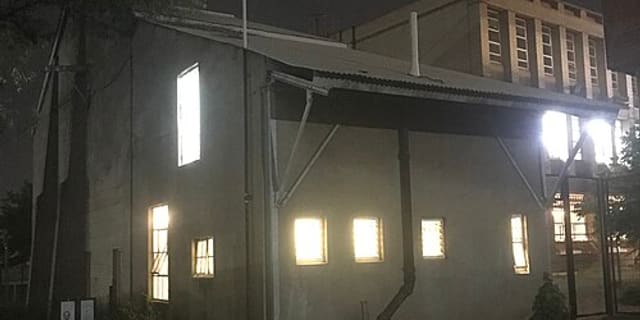 355 km
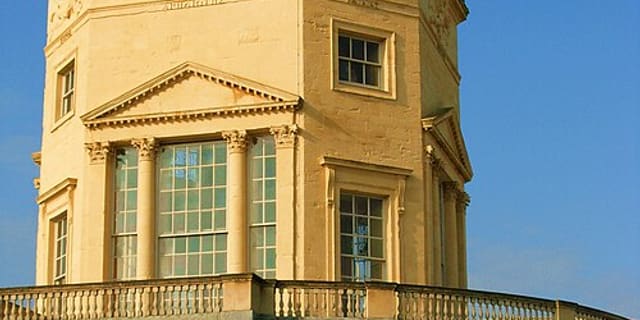 404 km
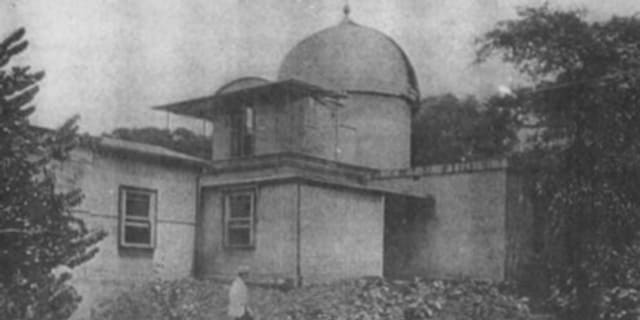 454 km
Natal Observatory
astronomical observatory in the Colony of Natal from 1882 to 1911