
Valencia observatory
Satellite imagery: Esri, Maxar, Earthstar Geographics
The Astronomical Observatory of the University of Valencia is Spain's oldest university observatory, tracing its roots back over two centuries in the city of Valencia.
About Valencia observatory
The current observatory was founded in 1909 by the Spanish astronomer Ignacio Tarazona, following an earlier observatory established in 1790 by Rector Vicente Blasco y García that was destroyed during the Napoleonic Wars in 1812. The 1909 facility, housed in the University's historic La Nau building, was declared an institution of public utility by the Spanish state in 1920.
History
Valencia observatory's original 1909 instrument was a Grubb telescope set in a dome within La Nau, the University of Valencia's historic building. In 2006, the university opened a second site, the Aras de los Olmos Observatory, extending its reach to darker skies outside the city.
Telescopes & research
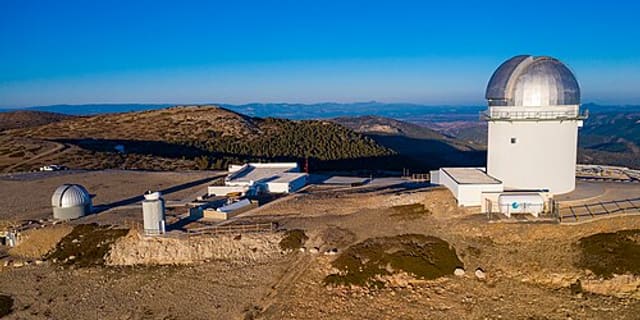
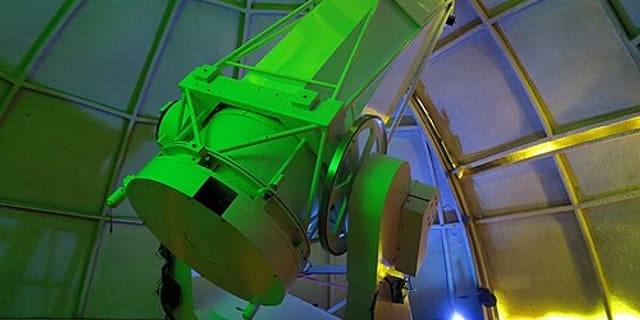
The Aras de los Olmos Observatory operates the TROBAR robotic telescope, a 60-centimetre reflector with remote access, alongside complementary instruments, supporting the university's ongoing research and public astronomy dissemination.
Location & getting there
The historic observatory sits within the University of Valencia's La Nau building in the city of Valencia, in Spain's Valencian Community, part of the Europe region, with its darker-sky companion site at Aras de los Olmos.
Visiting Valencia observatory
Check the University of Valencia's observatory page for current visiting arrangements at either site before planning a trip.
See your named star from here
With over two centuries of astronomical history behind it, Valencia observatory's team can help point toward the exact coordinates of a star named through Star Register. Use the star-naming packages to get a certificate and locator details, or browse the catalogue to see stars already named by others.
Opening hours and public-visit programs vary by season. Check Google Maps for current times before you travel.
Institutional and reference sources used to verify this guide.
Satellite imagery: Esri, Maxar, Earthstar Geographics

 10 km
10 km
 184 km