
Sunspot Solar Observatory

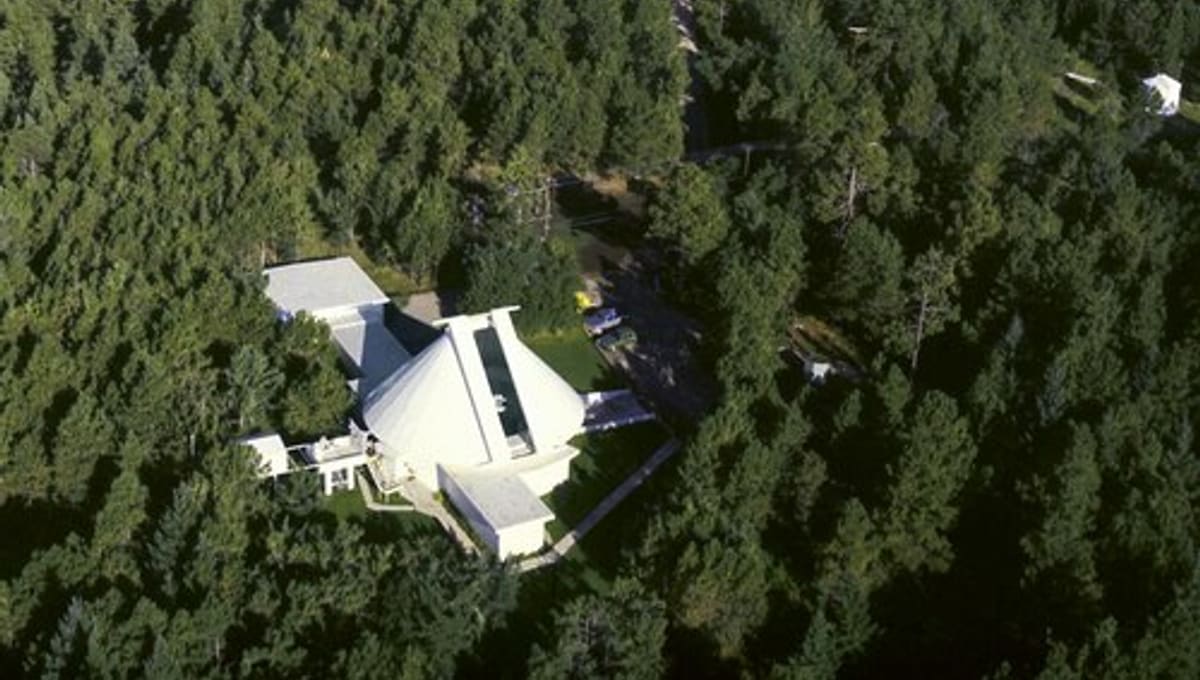
Image: Wikimedia Commons
Sunspot Solar Observatory, also known as the Sacramento Peak Observatory, sits high in New Mexico's Sacramento Mountains, about 18 miles south of Cloudcroft, and has been dedicated to studying the sun since 1947.
About Sunspot Solar Observatory
The observatory is jointly operated by New Mexico State University (NMSU) and the U.S. National Solar Observatory (NSO), with funding from the National Science Foundation in partnership with the state of New Mexico. Telescope operations are based at the Sunspot site, while data and management run through NMSU's Department of Astronomy.
History
Founded in 1947, the observatory has long served as one of the country's leading sites for solar research, sitting at roughly 9,200 feet (2,800 m) elevation in the Sacramento Mountains.
Telescopes & research
Its primary instrument is the Richard B. Dunn Solar Telescope, formerly known as the Vacuum Tower Telescope, used to study the sun in detail. As of early 2026, the Dunn Solar Telescope has been closed following a mercury leak, and the facility is closed to the public indefinitely as a result — check the official website for the latest status before planning any trip.
Location & getting there
The observatory sits in the Sacramento Mountains of southern New Mexico, a high-elevation forested range known for clear air well suited to solar observing. Use the map and directions button on this page for the route.
Visiting Sunspot Solar Observatory
The site normally has a visitor centre with museum exhibits, a gift shop, and public restrooms, typically open daily from 9am to 5pm during peak season, with guided tours of the telescope facilities. Because of the current mercury leak closure, confirm the latest access information at sunspot.solar before travelling.
See your named star from here
Sunspot Solar Observatory is built to study our own star up close, but the same coordinate system it works with — right ascension and declination — is exactly what pins down a star named through Star Register elsewhere in the night sky. Name a star or browse the full catalogue of named stars.
Opening hours and public-visit programs vary by season. Check the official website and Google Maps for current times before you travel.
Institutional and reference sources used to verify this guide.
Satellite imagery: Esri, Maxar, Earthstar Geographics

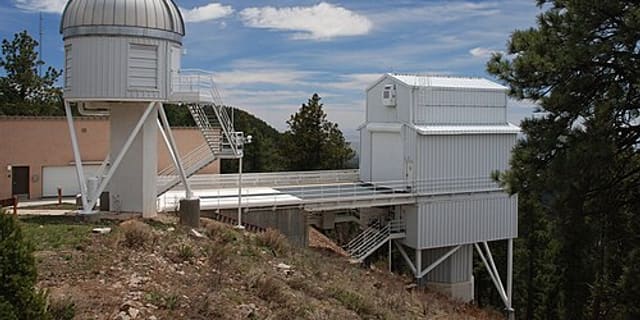 under 1 km
Apache Point Observatory
astronomical observatory in Sunspot, New Mexico, United States

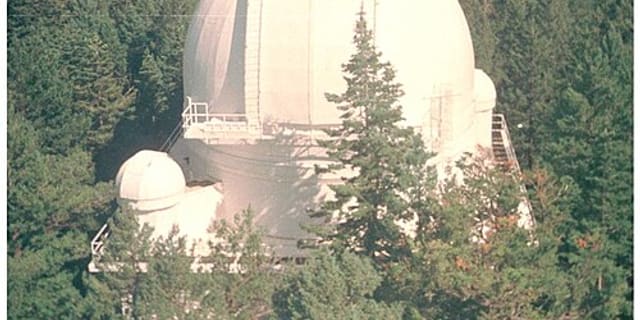 23 km
23 kmExperimental Test Site
MIT Lincoln Laboratory field site located in Socorro, New Mexico

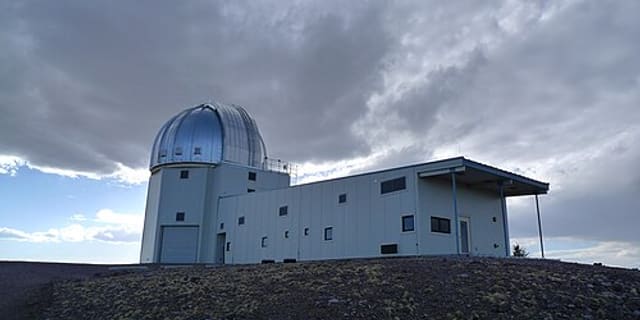 183 km