
NASA Orbital Debris Observatory

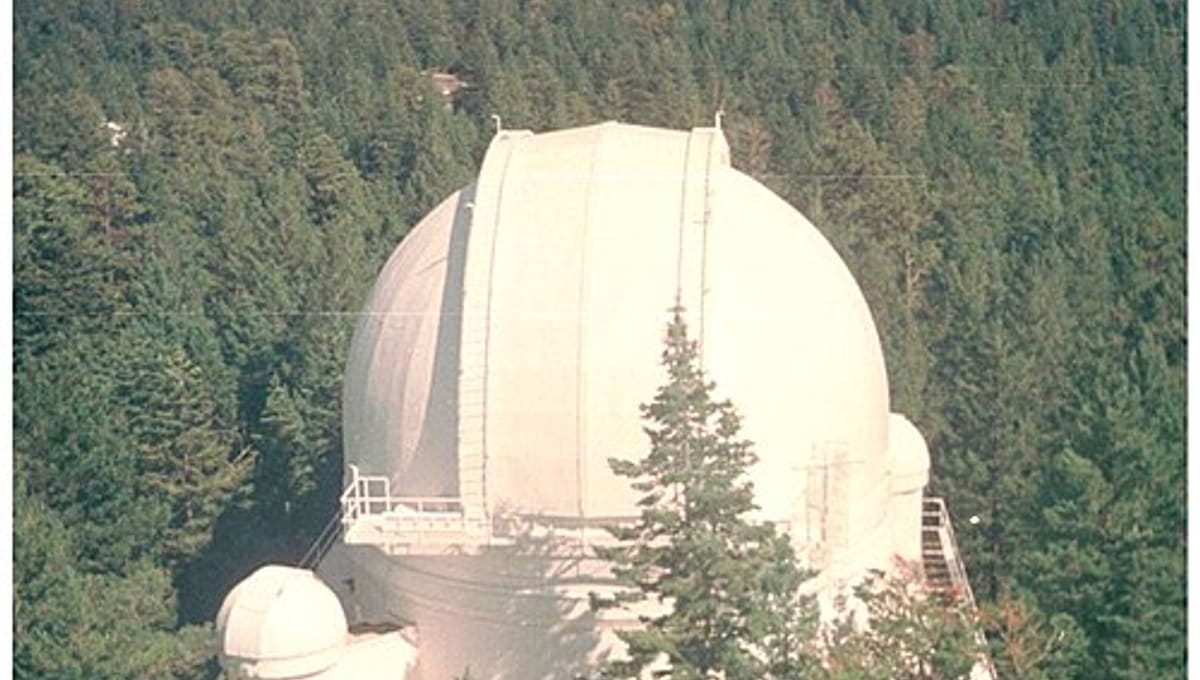
Image: Wikimedia Commons
The NASA Orbital Debris Observatory once stood high in New Mexico's Lincoln National Forest, where two NASA-funded telescopes spent seven years scanning the sky for debris in Earth orbit.
About NASA Orbital Debris Observatory
Known as NODO, the facility was located in the Lincoln National Forest near Cloudcroft, New Mexico, about 23 kilometres northeast of Alamogordo, at an elevation of roughly 2,751 metres. From 1995 to 2002 it hosted two telescopes funded and operated by NASA that were dedicated to detecting orbital debris.
History
The site began life in 1962 as the Cloudcroft Electro-Optical Research Facility, also known as the Cloudcroft Observatory, before NASA repurposed it for orbital debris detection between 1995 and 2002. Today the facility is privately owned by Embry-Riddle Aeronautical University, and its NASA-era mission has ended.
Location & getting there
NODO sits in New Mexico's Lincoln National Forest, in the mountains near Cloudcroft, part of the North America region. Its high elevation of nearly 2,751 metres made it well suited to optical observation during its years of NASA operation.
Visiting NASA Orbital Debris Observatory
As a privately owned facility no longer operated by NASA, public visiting information is not published; anyone interested should check current access policies with Embry-Riddle Aeronautical University before planning a trip.
See your named star from here
Long after its debris-tracking mission ended, a site with NODO's history is a reminder that any fixed point in the sky, orbital debris or a named star, can be located with the right coordinates. Every star named through Star Register comes with its own right ascension and declination. Browse the catalogue to find a star, or choose a naming package to name one yourself.
Opening hours and public-visit programs vary by season. Check Google Maps for current times before you travel.
Institutional and reference sources used to verify this guide.
Satellite imagery: Esri, Maxar, Earthstar Geographics

 23 kmSolar
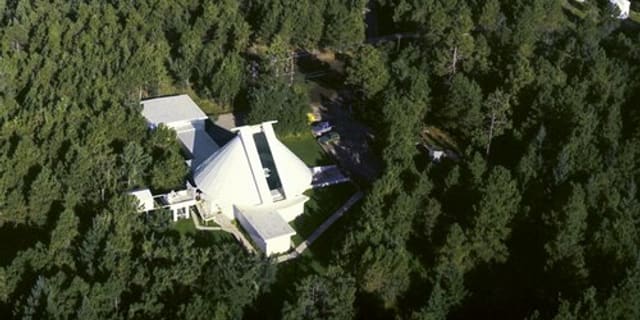
Sunspot Solar Observatory
astronomical observatory in Sunspot, New Mexico, United States

 24 km
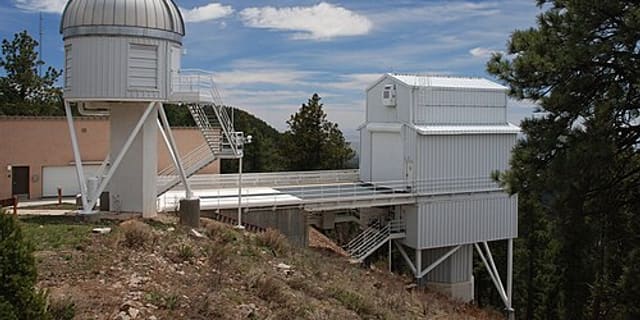
24 kmApache Point Observatory
astronomical observatory in Sunspot, New Mexico, United States
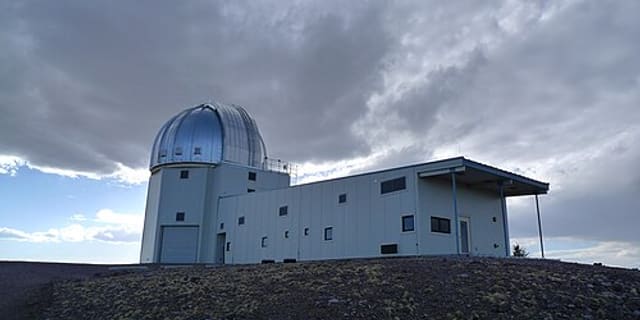
Experimental Test Site
MIT Lincoln Laboratory field site located in Socorro, New Mexico

 174 km