
Matsushiro Seismological Observatory

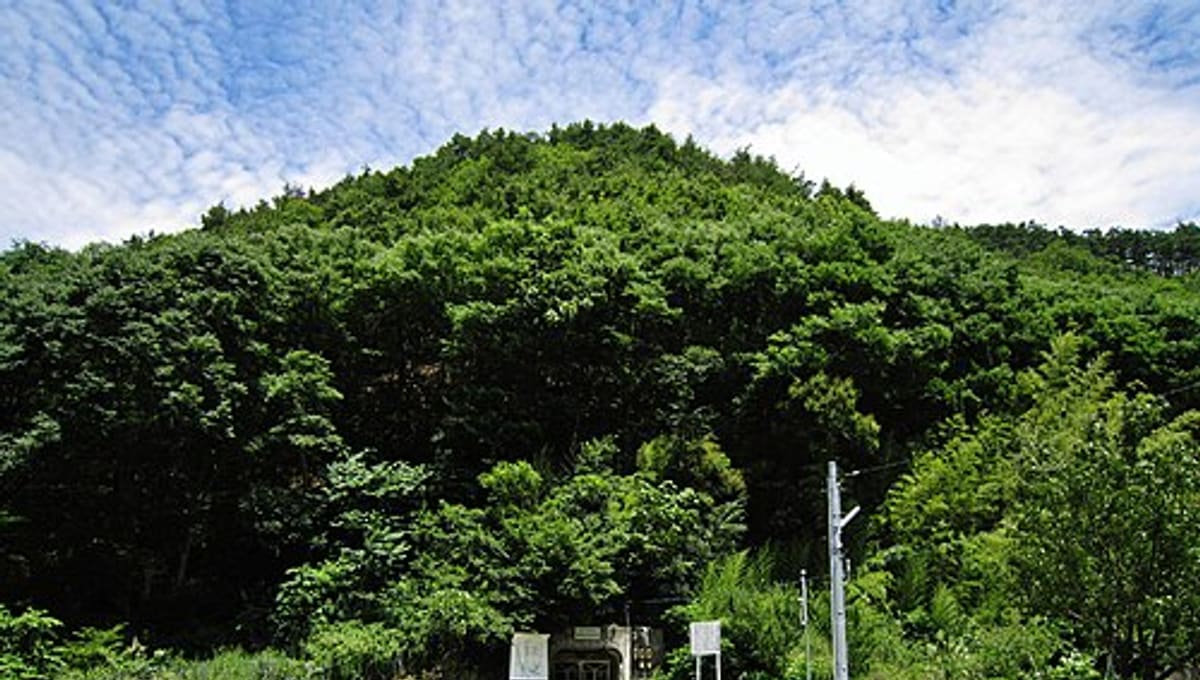
Image: Wikimedia Commons
Matsushiro Seismological Observatory is a seismological research facility in Nagano Prefecture, Japan, operated by the Japan Meteorological Agency.
About Matsushiro Seismological Observatory
Unlike most sites on Star Register, Matsushiro is dedicated to monitoring the Earth rather than the sky. It uses a network of sensitive instruments, including Benioff seismographs, World Wide Seismograph System equipment, and extensometer arrays, to track earthquake activity across Japan.
History
The observatory was established on May 1, 1947. It is built underground within a roughly 3-kilometre tunnel system, between 2.5 and 6 metres in diameter, originally constructed by the Imperial Japanese Army. At around 100 metres depth, the tunnels provide the stable, vibration-free conditions ideal for precise seismic measurement. The site became internationally known after the Matsushiro earthquake swarm of 1965 to 1967, an extraordinary sequence of roughly one million earthquakes, which led to the founding of the dedicated Matsushiro Earthquake Center in 1967.
Telescopes & research
The observatory now operates the Matsushiro Seismic Array System, comprising eight monitoring stations, continuing its long-running role in Japan's earthquake monitoring network.
Location & getting there
Matsushiro Seismological Observatory is located in Nagano Prefecture, in the Asia region, within the historic Matsushiro district known for its wartime tunnel complex.
Visiting Matsushiro Seismological Observatory
Visitor access details are managed by the Japan Meteorological Agency; those interested in touring the site or its tunnel system should check official channels for current opening arrangements before travelling.
See your named star from here
Matsushiro's underground tunnels track movements deep within the Earth, while the star you name with Star Register marks a fixed point far above it. Look up its coordinates any time in our star catalogue.
Opening hours and public-visit programs vary by season. Check the official website and Google Maps for current times before you travel.
Institutional and reference sources used to verify this guide.
Satellite imagery: Esri, Maxar, Earthstar Geographics

 75 km
75 km
 75 kmRadio
Kamioka Liquid Scintillator Antineutrino Detector
neutrino oscillation experiment in Japan
Kamioka Observatory
underground neutrino and gravitational wave observatory in Kamioka, Japan