
Hawaiian Volcano Observatory


Image: Wikimedia Commons
The Hawaiian Volcano Observatory (HVO) is a United States Geological Survey agency that has tracked the volcanic activity of Hawaii's Big Island for over a century, based in Hilo.
About the Hawaiian Volcano Observatory
HVO is one of five volcano observatories operating under the USGS Volcano Hazards Program and has earned a worldwide reputation as a leader in the study of active volcanism. It monitors six Hawaiian volcanoes: Kilauea, Mauna Loa, Kamaʻehuakanaloa (formerly known as Loihi), Hualalai, Mauna Kea, and Haleakala, with Kilauea and Mauna Loa the most active of the group.
History
Founded in 1912, HVO originally operated from offices near Uwekahuna Bluff, the highest point on the rim of Kilauea Caldera, at an elevation of about 1,231 m. Because Kilauea's eruptions have historically been relatively non-explosive, scientists could safely study them at close range from these facilities for many decades, until the 2018 eruption caused summit collapses that damaged the buildings; they were removed in 2024. HVO has operated from temporary offices in Hilo since 2018. A new field office near Kilauea is planned to open in 2026, alongside a new HVO headquarters in Hilo projected for 2027.
Location & getting there
HVO is based in Hilo, on the Island of Hawaii, with its original monitoring post on the rim of Kilauea Caldera within Hawaii Volcanoes National Park.
Visiting the Hawaiian Volcano Observatory
HVO is a working USGS research facility and is not generally open for public tours. Its former overlook site sits within Hawaii Volcanoes National Park, which does welcome visitors; check the National Park Service for current park access and any observatory-related exhibits.
See your named star from here
The Big Island's clear, high-altitude air that makes it ideal for tracking volcanoes has also made Hawaii home to some of the world's most capable astronomical observatories. Browse the naming packages or search the star catalogue to find a star worth looking for on a Hawaii trip, and check the observatories directory for nearby stargazing sites.
Opening hours and public-visit programs vary by season. Check the official website and Google Maps for current times before you travel.
Institutional and reference sources used to verify this guide.
Satellite imagery: Esri, Maxar, Earthstar Geographics

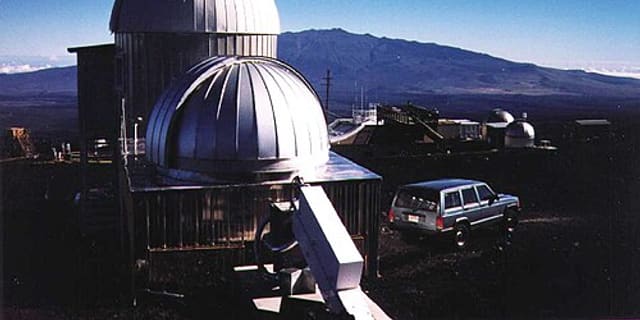 35 km
35 km
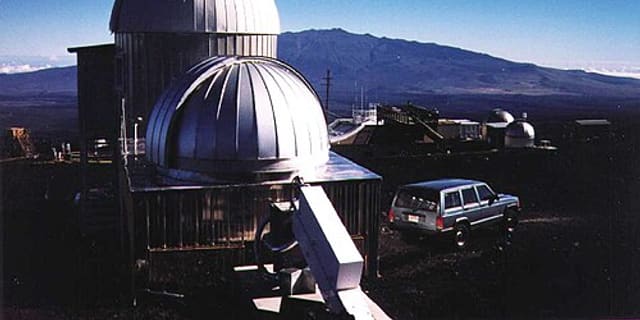 35 km
35 km
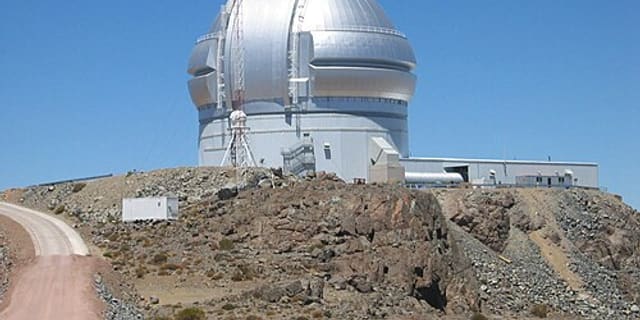 49 km
49 kmGemini Observatory
astronomical observatory consisting of twin telescopes in the north and south hemispheres

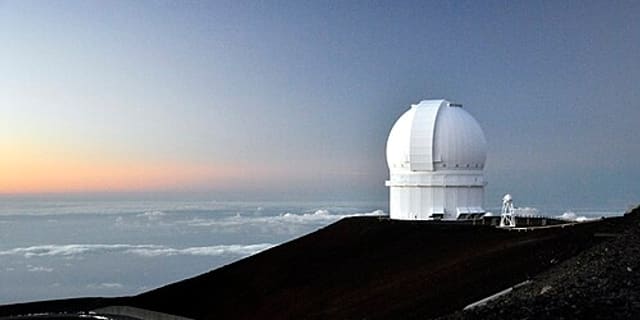 49 km
49 km