
High Altitude Observatory

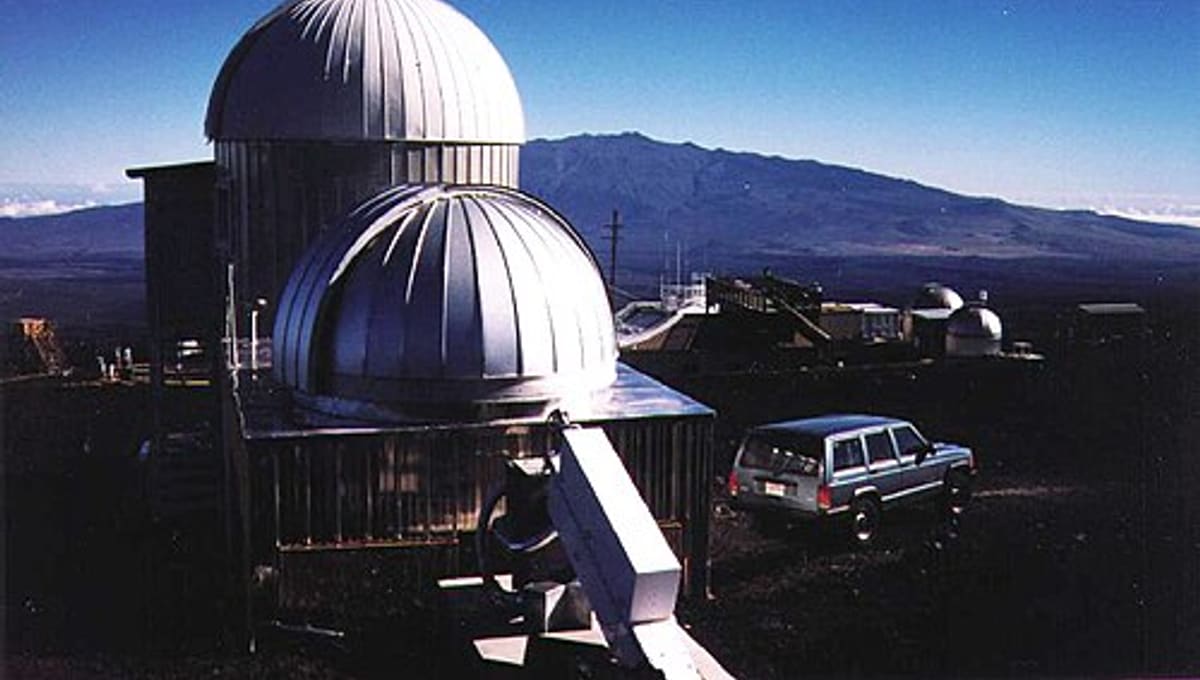
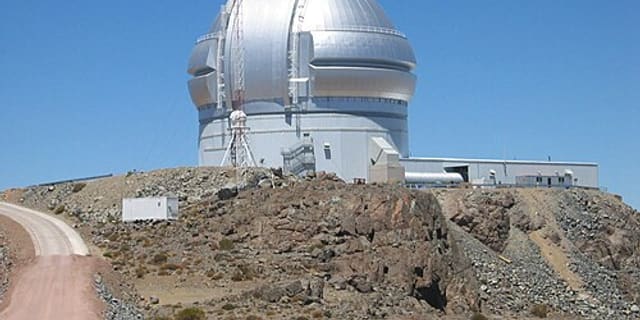
Image: Wikimedia Commons
The High Altitude Observatory operates the Mauna Loa Solar Observatory, a solar-physics research site high on the slopes of Mauna Loa on Hawaii's Big Island.
About High Altitude Observatory
The High Altitude Observatory (HAO) is a laboratory of the US National Center for Atmospheric Research (NCAR), with its main research institute based in Boulder, Colorado, and a field site on Hawaii: the Mauna Loa Solar Observatory (MLSO), sitting at around 3,440 metres on Mauna Loa. MLSO was established in 1965.
History
HAO was founded in 1940 as a branch of the Harvard College Observatory, transferred to the University of Colorado in the late 1940s, and became part of NCAR when that organisation was founded in 1960. Its Hawaii field site, the Mauna Loa Solar Observatory, followed in 1965.
Telescopes & research
HAO staff study solar physics, the heliosphere, and how space weather affects Earth's magnetosphere, ionosphere and upper atmosphere. The Mauna Loa site's high elevation and clear, stable air make it well suited to sustained solar observation.
Location & getting there
The Mauna Loa Solar Observatory is in the North America region, on the island of Hawaii, United States, at high altitude on the slopes of Mauna Loa. That elevation, far above the coastal cloud layer, is central to why NCAR chose the site for solar research.
Visiting High Altitude Observatory
As a working research facility, public access to Mauna Loa Solar Observatory is limited. Check the observatory's official website for current visiting information before planning a trip.
See your named star from here
A site built for tracking the sun's every flare and flicker sits on some of the clearest air on the planet, air just as good for spotting a single star after dark. If you've named a star with Star Register, Mauna Loa's altitude is the kind of setting where its coordinates would stand a good chance of being traced. Look up your star's details in the star catalogue.
Opening hours and public-visit programs vary by season. Check the official website and Google Maps for current times before you travel.
Institutional and reference sources used to verify this guide.
Satellite imagery: Esri, Maxar, Earthstar Geographics

 under 1 km
 34 km
34 km
 34 km
34 km
 34 km
34 kmGemini Observatory
astronomical observatory consisting of twin telescopes in the north and south hemispheres