
Alaska Volcano Observatory

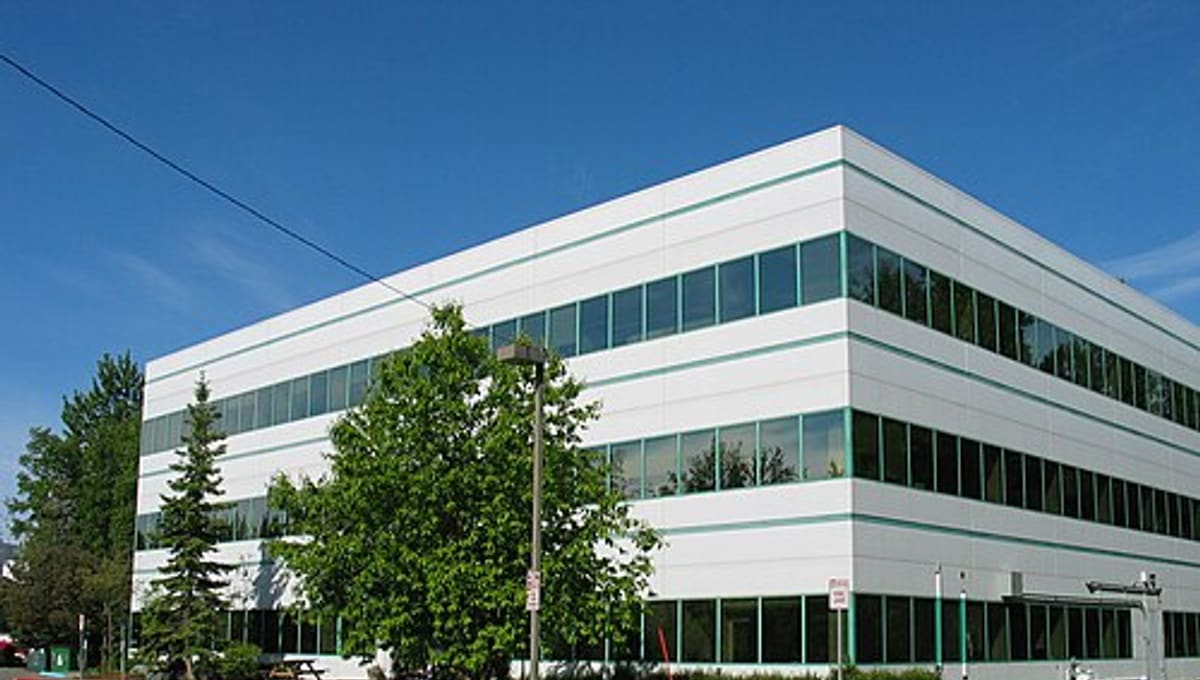
Image: Wikimedia Commons
The Alaska Volcano Observatory (AVO) is a scientific monitoring program headquartered in Anchorage, Alaska, with a second office in Fairbanks, dedicated to tracking the volcanic activity that defines the Aleutian Arc and Cook Inlet region.
About Alaska Volcano Observatory
AVO is a joint program of the United States Geological Survey (USGS), the Geophysical Institute of the University of Alaska Fairbanks, and the State of Alaska Division of Geological and Geophysical Surveys. Rather than a single building open to the sky, it is a network of seismographs, webcams and monitoring instruments watching more than 20 active volcanoes, many of them close to population centers or aviation routes.
History
AVO was formed in 1988 to bring federal, state and university resources together for volcano hazard monitoring and eruption forecasting after decades of ad hoc observation of Alaska's restless volcanic arc.
Location & getting there
AVO operates out of two locations: the USGS office on the campus of Alaska Pacific University in Anchorage, and offices at the Geophysical Institute of the University of Alaska Fairbanks. Both cities sit within easy reach of Cook Inlet's volcanoes, which the observatory watches around the clock for ash plumes and seismic unrest.
Visiting Alaska Volcano Observatory
AVO is a research and monitoring program rather than a public visitor center, but its staff sometimes give community lectures and host informal tours in Anchorage and Fairbanks, and they travel to communities near active volcanoes for talks and Q&A sessions. Groups interested in a visit or presentation can reach out through the official AVO website before planning a trip.
See your named star from here
AVO's instruments are trained on the ground, not the sky, but the coordinates of a star named through Star Register stay fixed no matter where you are standing. If your search for AVO led you here while planning a trip through Alaska, you can still name a star for someone special or browse the star catalogue to find one visible from the Alaskan night sky.
Opening hours and public-visit programs vary by season. Check the official website and Google Maps for current times before you travel.
Institutional and reference sources used to verify this guide.
Satellite imagery: Esri, Maxar, Earthstar Geographics

 2,170 km
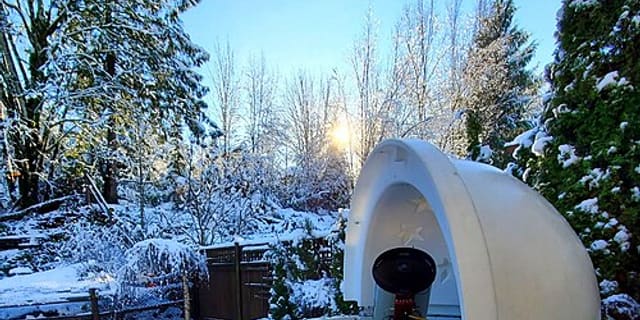
Golden Ears Observatory
astronomical observatory in Maple Ridge, British Columbia, Canada