
Climenhaga Observatory
Satellite imagery: Esri, Maxar, Earthstar Geographics
Climenhaga Observatory takes its name from astronomer Dr. John L. Climenhaga, honoured on his retirement from the University of Victoria in 1982.
About Climenhaga Observatory
The observatory was built on the roof of the university's Elliott Building, in Victoria, British Columbia, Canada, and centred on a 0.5-metre F/10.5 Cassegrain telescope housed in its own dome on the fourth floor. It carried BVRI, H-alpha, and neutral-density filters alongside a STAR I Photometrics CCD camera, and the telescope has since been relocated to the university's Bob Wright Centre.
History
Dr. Climenhaga's name was attached to the observatory when he retired in 1982; his contribution to astronomy was later recognised further when the International Astronomical Union named asteroid 3034 Climenhaga in his honour.
Telescopes & research
The observatory ran what was, at the time, the only dedicated program of its kind in Canada for the astrometry of minor planets and comets, using its filtered Cassegrain telescope and CCD camera to track the positions of these small solar-system bodies.
Location & getting there
Climenhaga Observatory is on the University of Victoria campus in Victoria, British Columbia, on Canada's Pacific coast, easily reached as part of a visit to the university.
See your named star from here
A star named with Star Register comes with its own right ascension and declination. University observatories like this one, built for precise positional work, can point a telescope directly at those coordinates so you can see your star in real time. Look up any named star in the star catalogue.
Opening hours and public-visit programs vary by season. Check Google Maps for current times before you travel.
Institutional and reference sources used to verify this guide.
Satellite imagery: Esri, Maxar, Earthstar Geographics

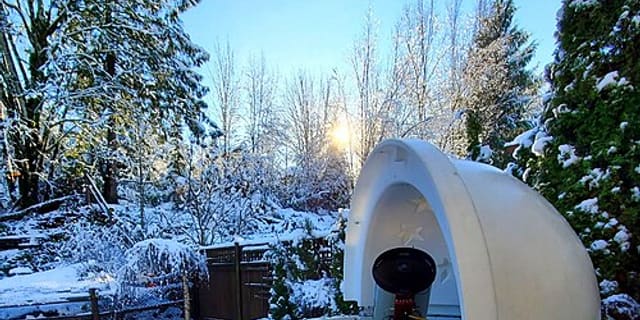 82 km
82 kmGolden Ears Observatory
astronomical observatory in Maple Ridge, British Columbia, Canada

 104 km
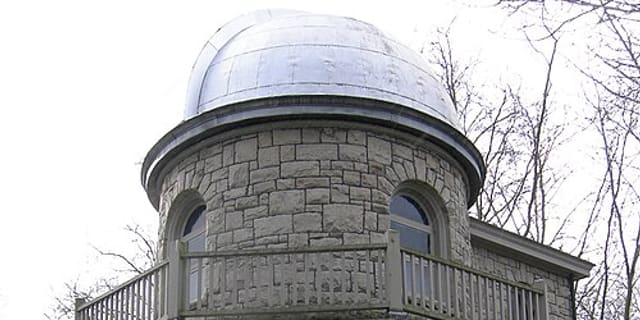 116 km
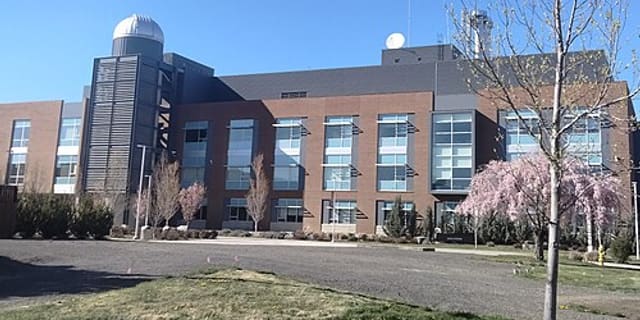 263 km