
Wood Buffalo National Park

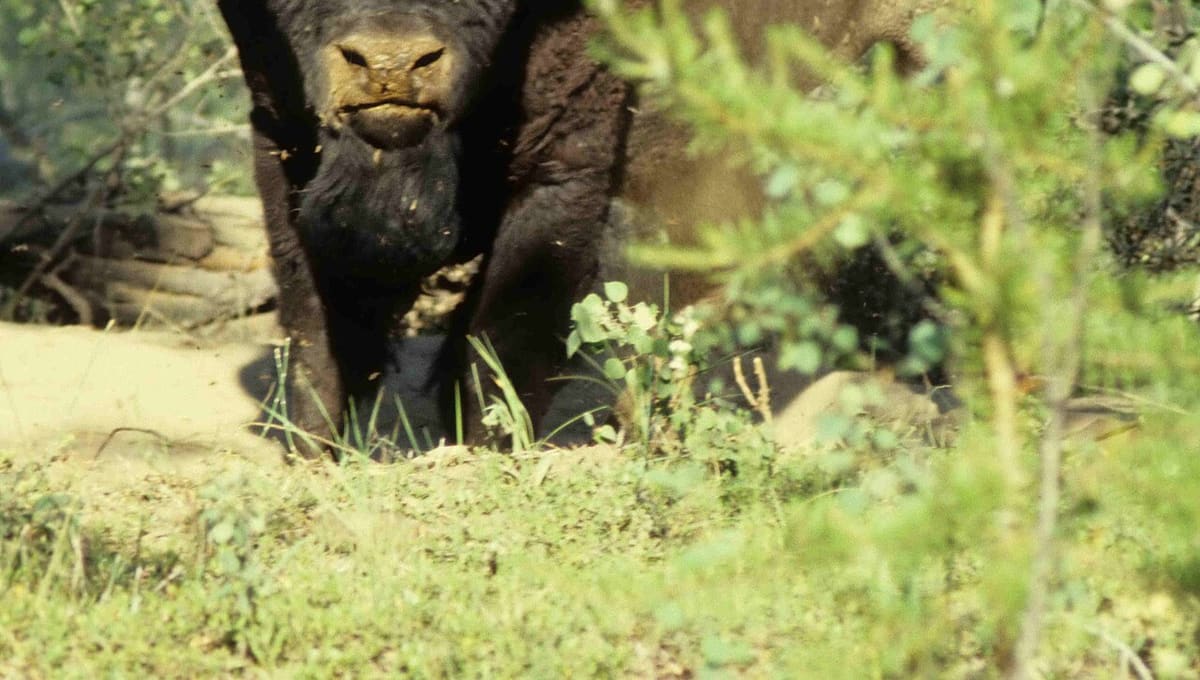
Image: Ansgar Walk · CC BY-SA 2.5 · Wikimedia Commons
Wood Buffalo National Park straddles the Alberta and Northwest Territories border in Canada, and on 28 June 2013 the Royal Astronomical Society of Canada designated it a Dark Sky Preserve, a Guinness World Record holder as the largest such preserve on Earth.
Why Wood Buffalo National Park is a top stargazing spot
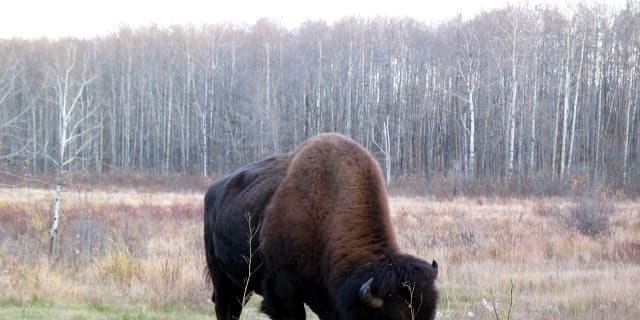
At 44,741 square kilometres, Wood Buffalo is Canada's largest national park and the second-largest in the world, larger than Switzerland. It was originally established in 1922 to protect the world's largest free-roaming herd of wood bison, and its sheer remoteness, far from any major city, is what makes its skies so dark: sky quality meter readings in the core area come in around 21.65 magnitudes per square arcsecond, a figure that puts it among the darkest measured skies anywhere. The park also sits favourably under the Earth's auroral oval.
What you can see
Visitors come for both the aurora borealis and the Milky Way, with autumn and winter's clear, cold nights offering the best conditions for aurora viewing. The park is also home to one of only two known nesting sites of whooping cranes, though that's a daytime highlight rather than a night one.
Visiting Wood Buffalo National Park at night
The Pine Lake campground has a dedicated Dark Sky Circle observation deck fitted with specially designed benches for comfortable viewing, and the Salt River Day Use Area is another recommended spot, both accessible near Fort Smith, Northwest Territories. Every August, during the third week, the park hosts an annual Dark Sky Festival with social events, workshops and keynote speakers. Check the Parks Canada stargazing page before your trip for current conditions and events.
Best time to go
Summer's near-endless daylight, from May through July, leaves few genuinely dark hours here, so autumn and winter are the better bet for a serious night under the stars, especially for the aurora borealis. The Dark Sky Festival in August also has the advantage of noticeably warmer overnight temperatures than the depths of winter, and that milder stretch tends to run on into September. The Perseid meteor shower in August and the Geminids in December are both worth planning a trip around, and under skies this dark even the Quadrantids in early January, though a cold one, can put on a real show. Whatever the season, pick a night close to the new Moon, give your eyes twenty to thirty minutes to adjust, and use a red light rather than a white torch or phone screen to keep your night vision sharp.
Getting there
The park's main stargazing sites, Pine Lake and the Salt River Day Use Area, are reached from Fort Smith, Northwest Territories, on the park's northern edge. Given the park's scale and remoteness, it is worth planning fuel, supplies and road conditions carefully before heading in, particularly outside the summer months.
See your named star from here
Few places on the planet offer skies as dark as Wood Buffalo's, which makes it an exceptional spot to look for a star you've named after someone you love. Bring your certificate's coordinates, open a stargazing app at Pine Lake or Salt River, and let the record-holding darkness do the work. Revisit the star anytime in the catalogue, or browse other certified sites on the observatories page.
Conditions and access vary by season. Check the official website and Google Maps before you travel, and aim for a clear night near the new Moon for the darkest sky.
Satellite imagery: Esri, Maxar, Earthstar Geographics

 642 kmPreserve
 793 kmPreserve
 1,107 kmPreserve