
Cypress Hills Interprovincial Park

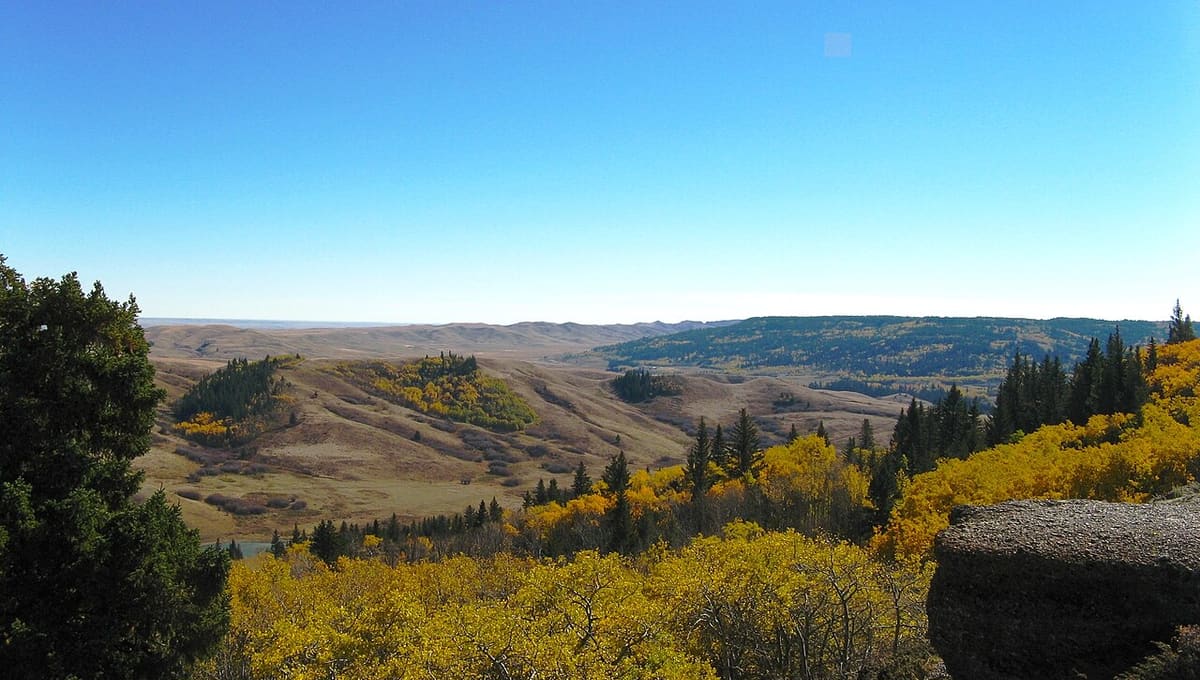
Image: Erik Lizee / Eriklizee at English Wikipedia · Public domain · Wikimedia Commons
Cypress Hills Interprovincial Park straddles the Alberta-Saskatchewan border southeast of Medicine Hat, and it became Canada's first interprovincial park in 1989. In 2004 it was jointly designated a Dark-Sky Preserve by Parks Canada, Alberta Parks, and Saskatchewan Parks, Culture and Sport.
Why Cypress Hills is a top stargazing spot
At 39,600 hectares, Cypress Hills is Canada's largest dark-sky preserve, and it was the first recognised in both Saskatchewan and Alberta. Measured sky brightness reaches 21.8 magnitude per square arcsecond, placing it at Bortle Class 2, exceptionally dark conditions rarely found this accessible. Clear-sky odds are good too, with less than 60 percent nighttime cloud cover in April and May, dropping below 30 percent through summer.
What you can see
Under these dark, often clear skies, the Milky Way is a prominent feature on moonless nights, along with far more stars and detail than visible from nearby prairie towns. The park's elevated position in the Cypress Hills gives sweeping, open views across the surrounding plains, and that elevation also improves the odds of catching the aurora borealis, which is occasionally visible here on nights of strong geomagnetic activity.
Visiting Cypress Hills at night
Both provincial park services run astronomy programming year-round, with the park's own Dark Sky Observatory hosting public programs each spring through fall and forming the natural hub for a night visit. Each August the Royal Astronomical Society of Canada's Saskatoon Centre holds its Summer Star Party at the Observatory, the largest stargazer gathering in Canada. Cypress Hills has more than a dozen campgrounds and over 500 RV and tent sites in total, and the Meadows Campground was set up specifically with stargazing in mind, in an open meadow within the dark-sky preserve. Day-use visitors will also find picnic areas, showers, a convenience store, restaurants and a resort complex with a pool, zipline, golf course and horse-riding academy, plus a visitor centre for orientation. As the only interprovincial park in the country, it draws visitors from both sides of the border. For the darkest views, aim for a clear night near the new moon and bring a red-light torch.
Best time to go
Cypress Hills sits in the northern hemisphere, so the Milky Way core season runs roughly March through September, and the park's astronomy programming leans into that window, running heaviest from spring through fall and peaking around the Summer Star Party each August. Winter brings its own rewards in the bright stars of Orion and the other winter constellations, plus a better, if still occasional, chance of aurora activity on clear, cold nights. Meteor-watchers can look for the Perseids in August, right around star-party season, and the Geminids in December. Whenever you visit, time it for a night near the new Moon, let your eyes adjust for 20 to 30 minutes, and use only red light once you're set up.
Getting there
The park straddles the Alberta-Saskatchewan border southeast of Medicine Hat, with entrances and services split across both provinces. Check the Alberta Parks or Saskatchewan Parks site for the access route from your direction before you travel.
See your named star from here
Skies this dark and this clear make Cypress Hills an outstanding place to track down a named star using its coordinates and a stargazing app. Browse the star catalogue or explore other observatories for more dark-sky destinations.
Conditions and access vary by season. Check Google Maps before you travel, and aim for a clear night near the new Moon for the darkest sky.
Satellite imagery: Esri, Maxar, Earthstar Geographics

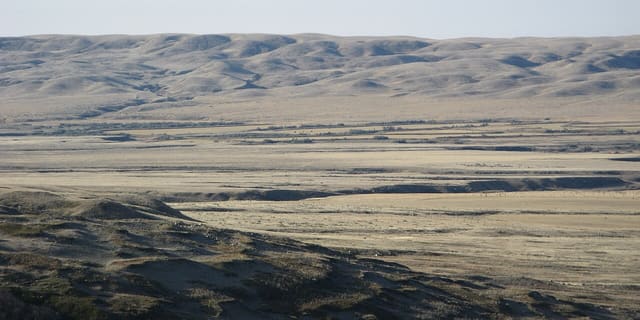 187 kmPreserve
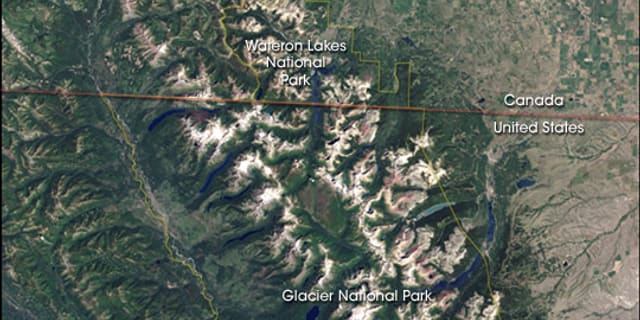 290 kmDark Sky Park
Waterton-Glacier International Peace Park
international park in the United States of America and Canada

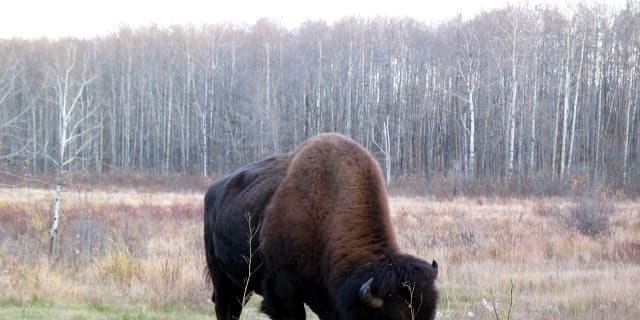 491 kmPreserve