
Elk Island National Park

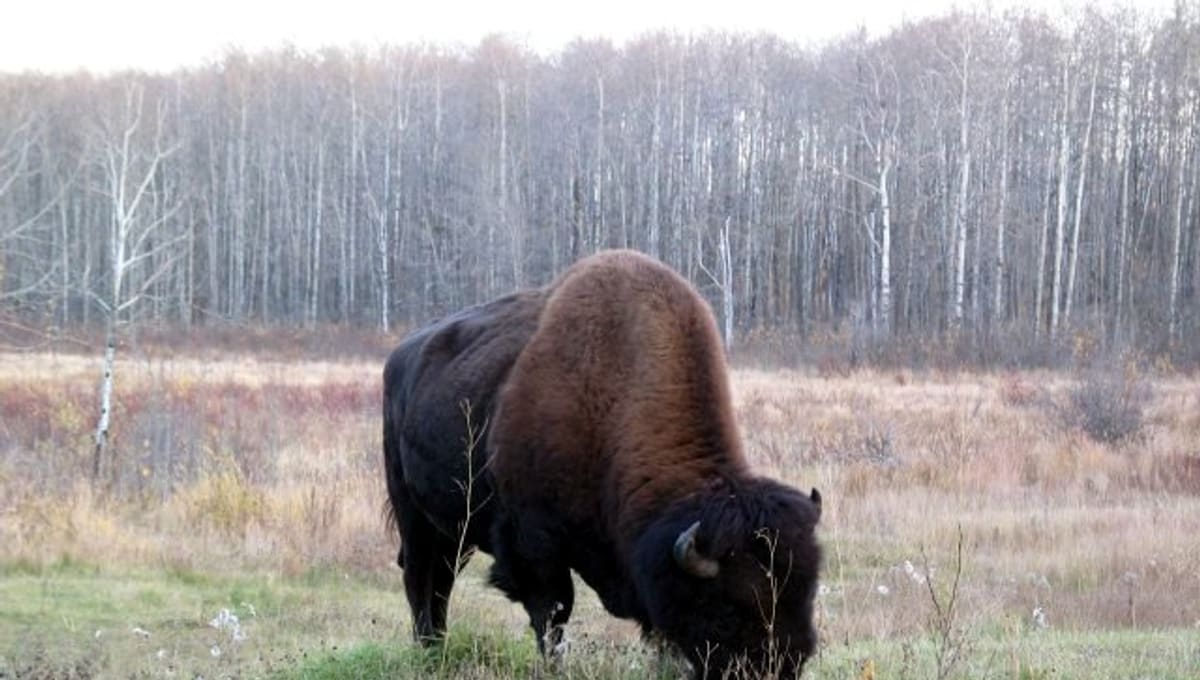
Image: Enzenberger · CC BY-SA 3.0 · Wikimedia Commons
Elk Island National Park lies about 35 to 48 kilometres east of Edmonton, Alberta, along the Yellowhead Highway. Best known for its role in conserving the plains bison, the park is also part of the Beaver Hills Dark-sky Preserve, established in 2006 through a partnership between Parks Canada and provincial agencies.
Why Elk Island National Park is a top stargazing spot
The Beaver Hills Dark-sky Preserve spans 304 square kilometres, taking in Elk Island alongside the Cooking Lake-Blackfoot Provincial Recreation Area, Miquelon Lake Provincial Park, and other protected land. It is also part of the wider Beaver Hills Biosphere Reserve, giving the area a layered level of environmental protection. Sky quality across the preserve rates around Bortle 4.5, though sites closer to Edmonton are increasingly nudged toward Bortle 4 to 5 as the city's glow grows, a reminder that the darkest views tend to be on the side of the park furthest from town.
What you can see
Being so near Edmonton without succumbing to its light pollution means visitors can still pick out the Milky Way and a rich field of stars on clear nights, a rare combination for a location this accessible from a large urban centre. Elk Island's latitude also puts it within range of the aurora borealis, typically visible from October through March; the best viewing window usually runs from about 11pm to 3am, though a strong burst of solar activity can bring the lights out much earlier in the evening.
Visiting Elk Island National Park at night
The park runs seasonal after-dark programming: a campfire-style Dark-Sky Stories talk on summer weekends, a Snowshoe and Stargaze excursion on winter weekends (booking required), and the Gateway to the Stars event on fall weekends (also booking required). Unlike many parks, Elk Island stays open 24 hours a day, so visitors are free to arrive after dark without needing to time a visit around gate hours. Check the Parks Canada stargazing page for current programme schedules.
Best time to go
For pure Milky Way viewing, aim for the core season from roughly March through September, when the galaxy's brightest arm climbs the southern sky in the hours before dawn. For aurora, October to March is the window to watch, ideally after 11pm on a night with an active geomagnetic forecast. Meteor watchers should note the Perseids in mid-August and the Geminids in mid-December, both workable from the park's open clearings. As always, a new Moon night, 20 to 30 minutes of dark adaptation, and a red flashlight will get you the best view.
Getting there
Elk Island National Park sits directly on the Yellowhead Highway (Highway 16), roughly 35 to 48 kilometres east of Edmonton, making it one of the more accessible dark-sky sites for a city of its size.
See your named star from here
Elk Island's protected dark sky makes it possible to see stars that vanish from view in nearby Edmonton, ideal for tracking down a star you have named through Star Register. Bring your certificate's coordinates and a stargazing app to one of the park's open viewpoints, then browse the catalogue or check nearby observatories for more.
Conditions and access vary by season. Check the official website and Google Maps before you travel, and aim for a clear night near the new Moon for the darkest sky.
Satellite imagery: Esri, Maxar, Earthstar Geographics

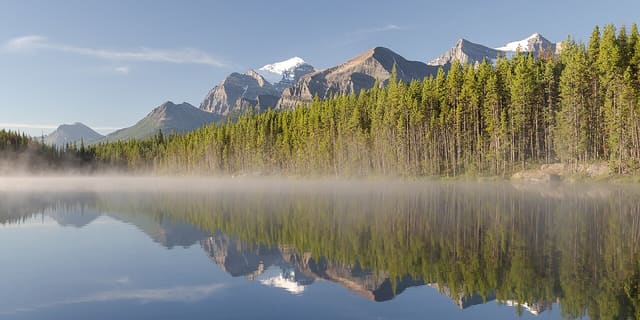 347 kmPreserve
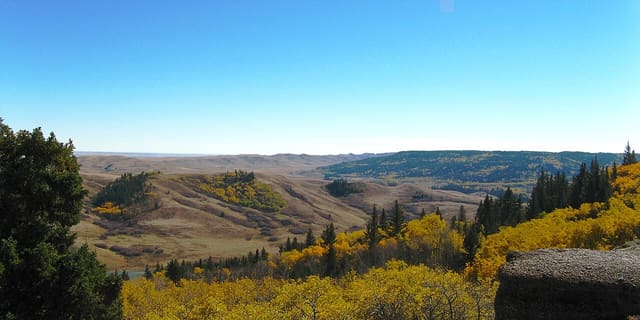 491 kmPreserve
 519 kmDark Sky Park
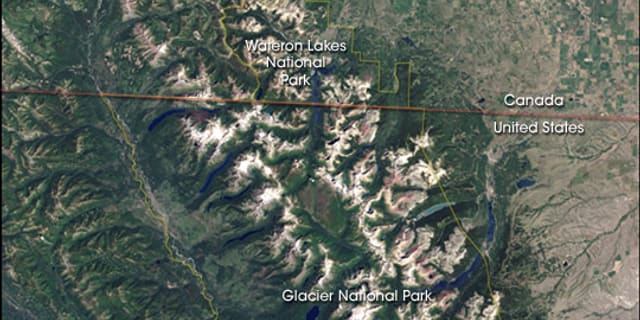
Waterton-Glacier International Peace Park
international park in the United States of America and Canada