
Wild Nephin National Park

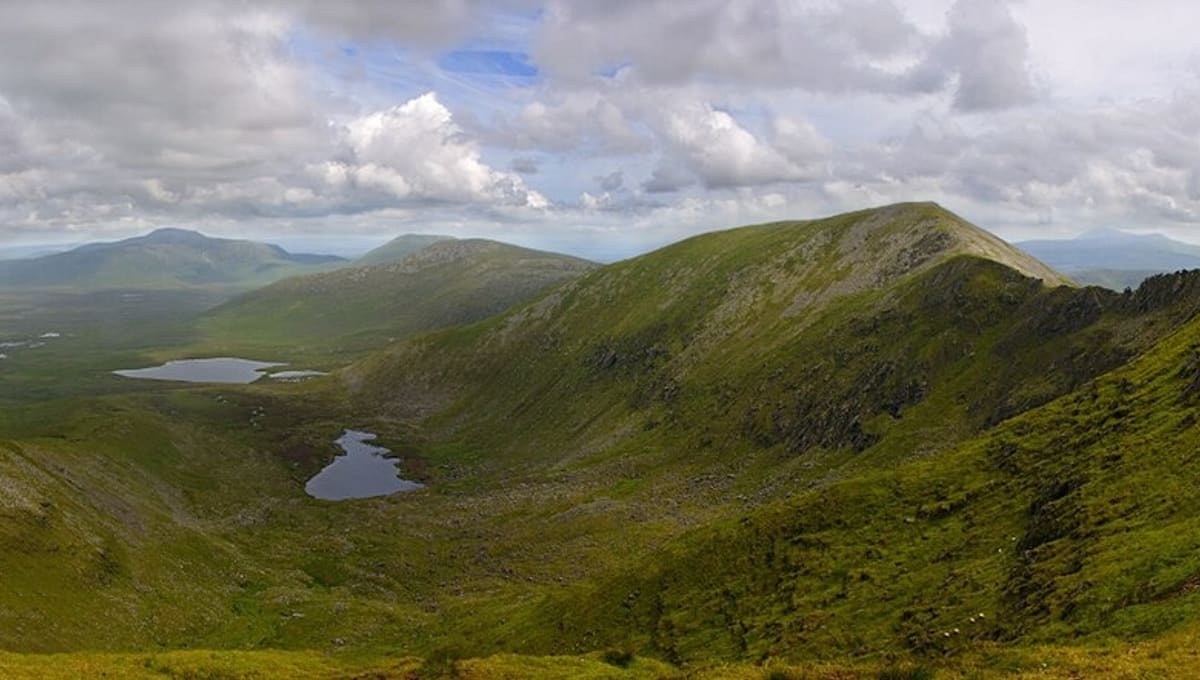
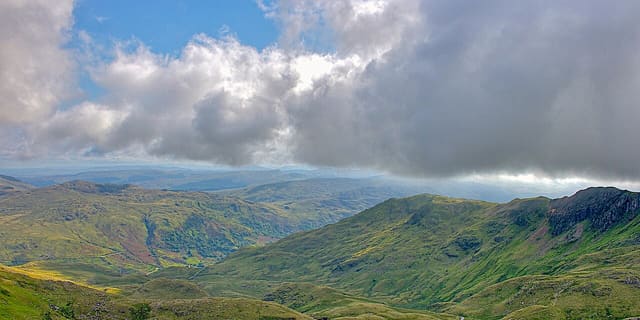
Image: Youngbillyhappy · CC BY-SA 3.0 · Wikimedia Commons
Wild Nephin National Park covers 150 square kilometres of the Nephin Beg Mountains and Atlantic blanket bog in northwest County Mayo, Ireland, and in 2016 it earned Gold Tier International Dark Sky Park status, the highest tier the International Dark-Sky Association awards.
Why Wild Nephin is a top stargazing spot
Gold Tier is reserved for the darkest, most remote sites, and Wild Nephin's isolation, part of one of the largest expanses of peatland in Europe, is exactly what earns it that rating. The park traces back to 1998 as Ballycroy National Park, before being expanded and renamed Wild Nephin in 2018 with plans to rewild additional land to the east.
What you can see
On a clear night, over 4,500 stars are visible to the naked eye here, along with the Milky Way arching across the sky. The park's northerly, dark location also gives visitors a genuine chance of catching the aurora borealis and, at the right time of year, meteor showers.
Visiting Wild Nephin National Park at night
Access is free year-round with no scheduled hours, and the park has three dedicated dark-sky viewing spots: the boardwalk at Ballycroy Visitor Centre, the 1.2-mile Claggan Mountain Coastal Trail, and the stone shelter at the Robert Lloyd Praeger Center near the Letterkeen trailhead. The Visitor Centre itself is open daily from February to November, 10:00 to 17:30, with a café serving home-made food, and it runs a Dark Sky Educational Programme with experienced guides alongside daytime activities like bat walks, moth trapping sessions and night-time wildlife walks. Check the official park website before heading out, and dress for exposed, changeable Atlantic weather.
Best time to go
May to September brings the best weather and the clearest skies for stargazing at Wild Nephin, and this window also lines up with the northern hemisphere's Milky Way season, when the galactic core is highest in the evening sky. Because the park sits far enough north and is dark enough to give a real shot at the aurora borealis, it is also worth keeping an eye on space-weather forecasts on any visit. Outside summer, the Geminid meteor shower in December and the Quadrantids in January reward those willing to brave colder, wetter Atlantic nights. As anywhere, aim for a night close to the new Moon, allow twenty to thirty minutes for your eyes to adapt, and use a red light instead of a white torch or phone screen.
Getting there
Wild Nephin is reached via Ballycroy, a village just 1 km from the Visitor Centre, with Newport around 13 km from the Brogan Carroll Bothy on the park's southern side. Both are the natural gateways into the park for anyone planning a night under its skies.
See your named star from here
With 4,500-plus stars on show, Wild Nephin is a strong place to go looking for a star you've named as a gift or keepsake. Take the coordinates from your certificate, load them into a stargazing app, and use one of the park's viewing sites for a clear, unobstructed horizon. You can revisit the star anytime in the catalogue, and see more certified dark-sky locations on the observatories page.
Conditions and access vary by season. Check the official website and Google Maps before you travel, and aim for a clear night near the new Moon for the darkest sky.
Satellite imagery: Esri, Maxar, Earthstar Geographics

 244 kmReserve
 352 kmCommunity
 362 kmDark Sky Park
 400 kmReserve