
Coll

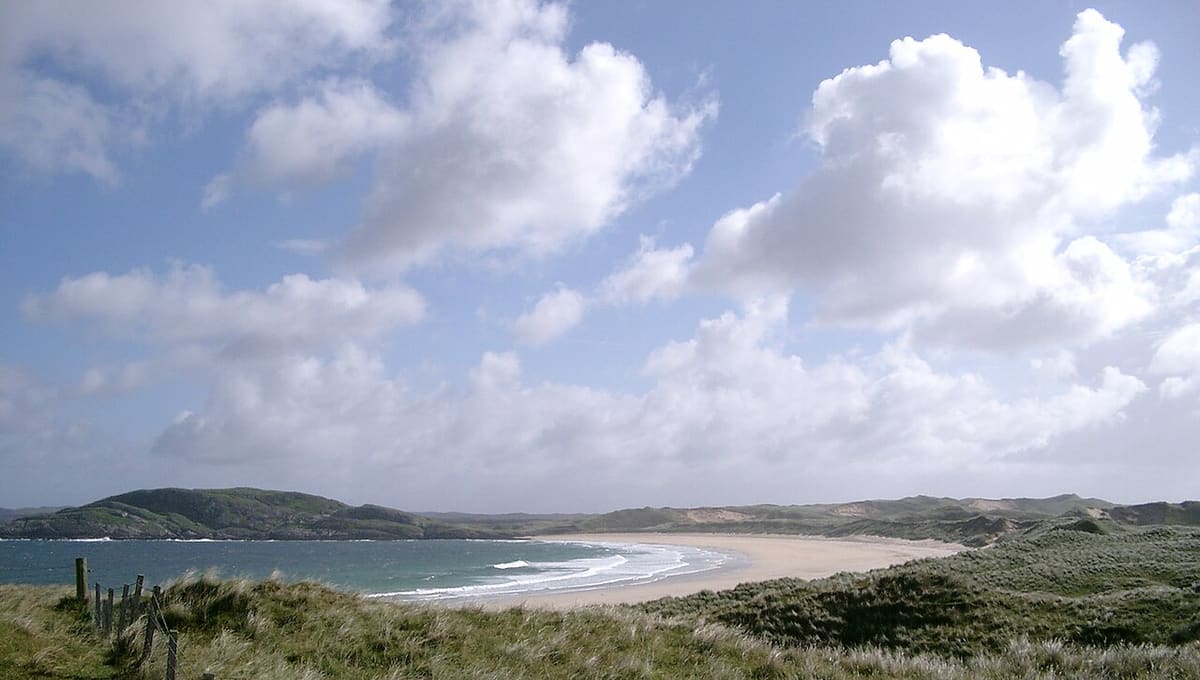
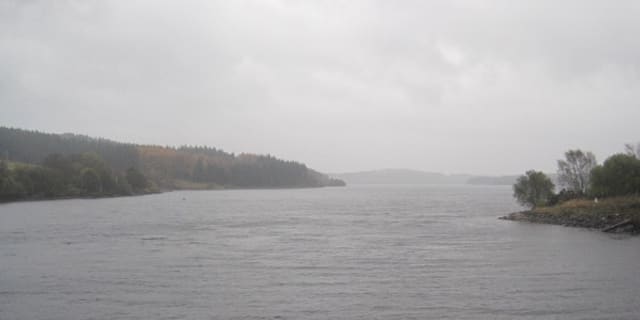
Image: Toby Thurston Thruston 10:32, 22 December 2005 (UTC) · Public domain · Wikimedia Commons
Coll is a small island in the Inner Hebrides of Scotland, about 10 km west of the Argyll coast, and it became Scotland's first International Dark Sky Community when certified in December 2013.
Why Coll is a top stargazing spot
With around 200 permanent residents and no street lights anywhere on the island, the nearest street light is some 32 km away, and the community made a deliberate choice to resist installing them in order to protect the night sky. Sky quality meter readings of 21.9 have been regularly recorded here, placing Coll among the darkest measured skies in Europe. The island was the 22nd dark sky place designated globally at the time of its certification and is one of just two official Dark Sky Islands in the world. It now has three official Dark Sky Discovery Sites: Arinagour, the Cliad Football Pitch, and RSPB Totronald.
What you can see
Under such dark conditions, the Milky Way is easily visible on clear nights, along with far more stars and faint detail than anywhere near mainland light pollution. Coll's northerly position also puts it within reach of the Northern Lights: the best viewing window runs from September to March, and when conditions align, greens, purples and reds can be seen rippling above the island. Coll's flat, open landscape and sandy dunes give wide, unobstructed views of the sky in every direction.
Visiting Coll at night
Coll & the Cosmos events bring astronomy to the island each March and October, with a visiting Cosmos Planetarium co-hosted by the Coll Community Centre and Coll Bunkhouse. Equipment on hand during these weekends includes an 18-inch Dobsonian telescope, Go-To and Bluetooth-controlled telescopes, binoculars, and a 6-metre digital indoor planetarium for cloudy nights. The island is reached by CalMac ferry, running daily in summer and five times a week in winter; booking around a month ahead is recommended, especially outside the summer season. There's also a small airport connecting Coll to the Scottish mainland.
Best time to go
For the darkest skies, aim to visit between October and March, which also overlaps with the best window for a chance at the Northern Lights. From this far north, the Milky Way's core is best seen low in the south during the darker hours from spring through early autumn, while the winter months bring long, dark nights well suited to deep-sky viewing and meteor watching, including the Geminids in December and the Quadrantids in January, alongside the Perseids in August. Whatever the season, a clear night around the new Moon and a red-light torch will get you the best view.
Getting there
Coll is reached by CalMac ferry from the Scottish mainland, or via the island's small airport. Ferry sailings run daily in summer and around five times a week in winter, so it's worth booking roughly a month in advance, particularly for winter crossings when the darkest skies coincide with a reduced timetable.
See your named star from here
Skies as dark as Coll's, with SQM readings among the best in Europe, are exactly the conditions needed to track down a named star using its coordinates and a stargazing app. Browse the star catalogue or explore other observatories for more dark-sky destinations.
Conditions and access vary by season. Check the official website and Google Maps before you travel, and aim for a clear night near the new Moon for the darkest sky.
Satellite imagery: Esri, Maxar, Earthstar Geographics

 205 kmDark Sky Park
Tomintoul & Glenlivet - Cairngorms Dark Sky Park
village in Moray, Scotland, UK

 214 kmDark Sky Park
 242 kmCommunity
 292 kmDark Sky Park