
Tomintoul & Glenlivet - Cairngorms Dark Sky Park

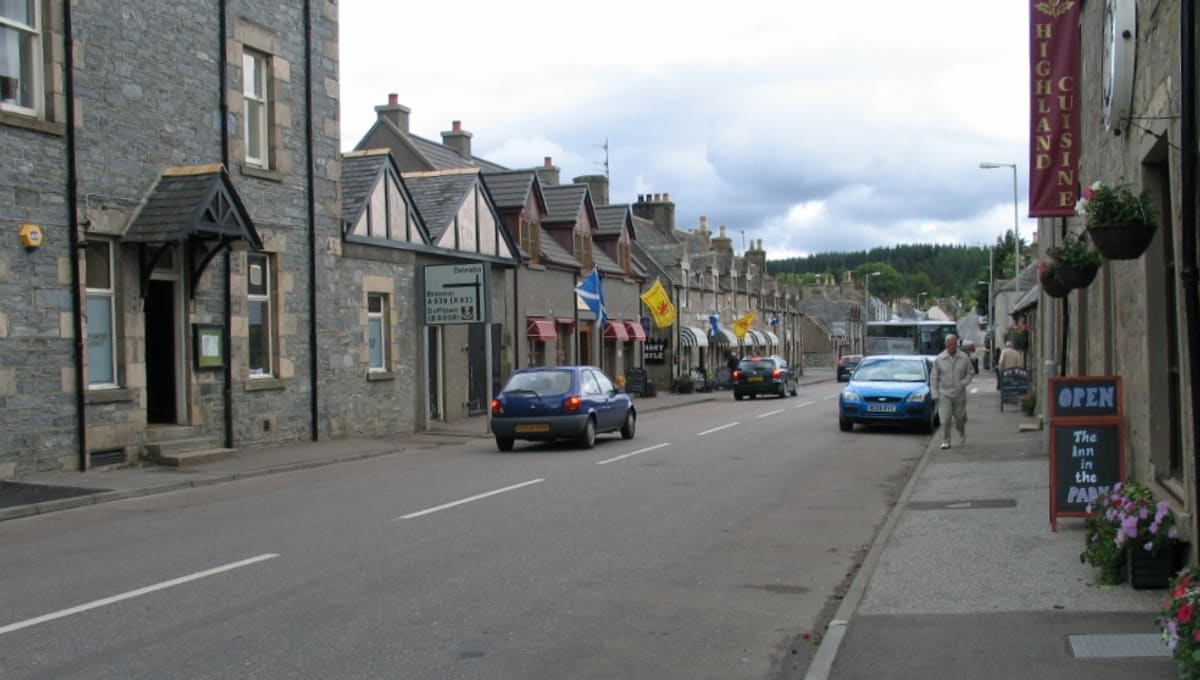
Image: Original uploader was Paul Hermans at nl.wikipedia · CC BY-SA 3.0 · Wikimedia Commons
Tomintoul & Glenlivet lies within the Cairngorms National Park in the Scottish Highlands, centred on the village of Tomintoul in Moray. Certified an International Dark Sky Park in November 2018 with Gold Tier status, it is recognised as the darkest Dark Sky Park in the UK and the most northerly Dark Sky Park in the world.
Why Tomintoul & Glenlivet is a top stargazing spot
The park's Gold Tier rating, the highest awarded by the International Dark-Sky Association, reflects genuinely exceptional sky darkness across its 230 square kilometres of Crown Estate land, plus a further 14 square kilometres of private land. Sky quality readings in the darkest zones run 21.7 to 21.8 magnitudes per square arcsecond, close to 22.0, about as dark as skies get anywhere on Earth, and the remote parts of the park measure Bortle 2 to 3, though skies nearer the village and its distilleries drop to a still-respectable Bortle 4 to 5. Its remote Highland setting, far from major towns, is what allows it to hold onto the title of darkest Dark Sky Park in the country.
What you can see
Gold Tier skies are as dark as they come under this certification system, meaning the Milky Way and a dense scattering of stars are visible with the naked eye on clear nights, without the glow that affects most of the UK's night sky. Winter and the darker months bring the longest nights and the best viewing opportunities, and observant visitors at this latitude occasionally catch the aurora borealis during strong geomagnetic storms.
Visiting Tomintoul & Glenlivet at night
Three official Discovery Sites make stargazing straightforward for visitors, each with a car park and interpretation boards: Tomintoul Field of Hope, the Carrachs at the Braes of Glenlivet, and Blairfindy Moor. Early 2025 brought the Tomintoul Skyhide, a purpose-built stargazing pavilion at the Field of Hope car park offering shelter while you watch. The Tomintoul & Glenlivet Discovery Centre has also added a dedicated Dark Skies exhibit, with admission priced at 7.50 pounds for adults and free for children aged 0 to 16. A full events programme runs from August through April, including a Quadrantids meteor shower event on 3 January, a Moon-Jupiter conjunction watch on 10 November, and a Milky Way Magic evening on 16 October in a recent season; check current listings before you travel, since the calendar is refreshed each year.
Best time to go
At this far-northern latitude the Milky Way's core sits low and is best seen in the shoulder months of spring and late summer, once the sky is dark enough after the long midsummer twilight has faded; the darker months from roughly September to May overall give the longest nights and the best chances of a clear, starry sky. Meteor watchers should look out for the Quadrantids in early January, the Perseids in August, and the Geminids in December, all covered by the park's own events calendar. As always, choose a night near the new Moon, allow twenty to thirty minutes for your eyes to dark-adapt, and bring a red light to preserve your night vision.
Getting there
Tomintoul sits in Moray on the northern edge of the Cairngorms National Park, reached by rural roads through Speyside's whisky country; check the park website for current road and weather conditions before travelling, especially in winter.
See your named star from here
Gold Tier darkness is about as good as it gets for finding a star you have named with the naked eye. Bring its coordinates and a stargazing app to one of the park's Discovery Sites, or shelter at the new Skyhide pavilion, and see if you can pick it out among the thousands on display. Browse the star catalogue, name your own star via Star Register, or explore more dark sky sites on our observatories page.
Conditions and access vary by season. Check Google Maps before you travel, and aim for a clear night near the new Moon for the darkest sky.
Satellite imagery: Esri, Maxar, Earthstar Geographics

 205 kmCommunity
 213 kmCommunity
 227 kmDark Sky Park
 231 kmDark Sky Park