
McDonald Park

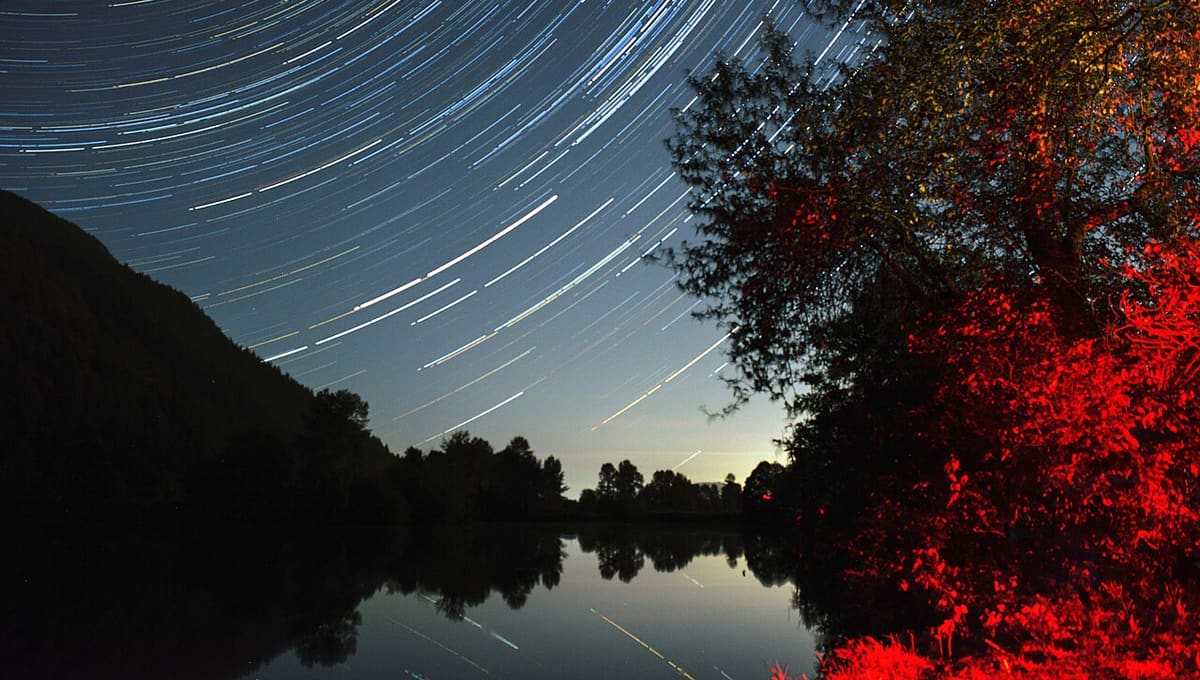
Image: Jerry Meaden from Surrey, BC, Canada · CC BY 2.0 · Wikimedia Commons
McDonald Park is a small dark-sky preserve in Abbotsford, British Columbia, Canada, designated on April 7, 2000, making it only the second dark sky preserve in Canada at the time. Just under 3 hectares, the park sits along the Sumas River.
Why McDonald Park is a top stargazing spot
What makes McDonald Park work as a stargazing site is its setting: Sumas Mountain acts as a natural, light-blocking amphitheatre, shielding the park, which lies between Abbotsford and Chilliwack in the Fraser Valley, from the glow of Abbotsford, Chilliwack, and Mission. That geography, more than remoteness, is what earned it dark-sky preserve status as one of Canada's earliest such designations, with skies generally falling in the Bortle 2-3 range. The Fraser Valley Astronomers Society and the Royal Astronomical Society of Canada (RASC) both continue to work at the site.
What you can see
On a clear night away from the region's brighter towns, the park's sheltered position allows for genuine dark-sky viewing not far from a populated corridor. That said, recent urbanization and greenhouse expansion nearby have degraded sky quality in the area, and local astronomy groups are actively working on solutions, so conditions are best on the clearest, darkest nights.
Visiting McDonald Park at night
The park has a walking path, picnic tables, and a playground, and the observing site is accessible by vehicle, though the gates close at 9 PM, so plan your visit around that. The Fraser Valley Astronomers Society hosts astronomy events at the park on many nights, offering a good way to see the sky through experienced eyes. For the darkest possible sky, aim for a new Moon and arrive well before dusk to let your eyes adapt; a red light rather than a white flashlight will help preserve your night vision once the stars come out.
Best time to go
At just under 49 degrees north, McDonald Park's Milky Way core is best placed from roughly March through September, though its low southern position and the region's regional glow mean the darkest, highest-contrast conditions come on clear, moonless summer nights well away from the gate closing time. Winter still brings good views of Orion and the other bright winter constellations. The Perseids in August and the Geminids in December are the standout meteor showers for this latitude. Whichever season you visit, plan around the new Moon, give your eyes twenty to thirty minutes to adjust, and stick to red light once observing.
Getting there
McDonald Park sits in Abbotsford, British Columbia, in the Fraser Valley between Abbotsford and Chilliwack, bordered by the Sumas River. It is reachable by vehicle from either town, with the park's own gates closing at 9 PM, so evening visitors should arrive with time to park and settle in before then.
See your named star from here
Even with some regional light pollution, a designated dark-sky preserve like McDonald Park offers far better viewing than a typical backyard, which makes it a good spot to locate a named star using its coordinates and a stargazing app. Check the star catalogue for your certificate details, and see our observatories list for other nearby dark-sky sites.
Conditions and access vary by season. Check Google Maps before you travel, and aim for a clear night near the new Moon for the darkest sky.
Satellite imagery: Esri, Maxar, Earthstar Geographics

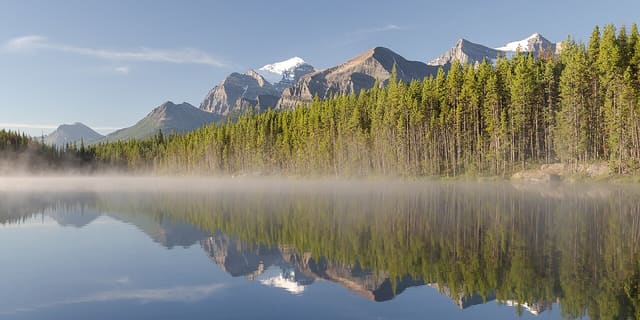 601 kmPreserve
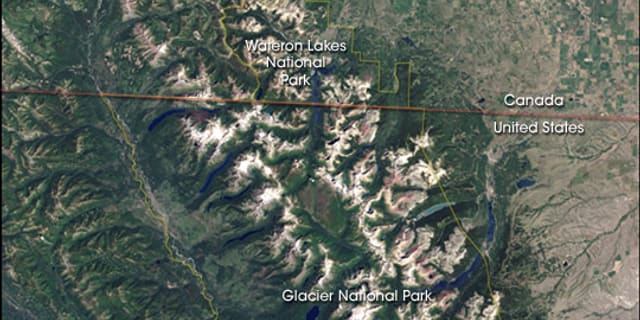 698 kmDark Sky Park
Waterton-Glacier International Peace Park
international park in the United States of America and Canada

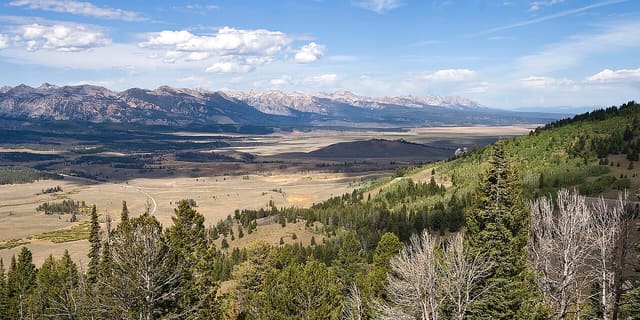 839 kmReserve
 892 kmCommunity