
Central Idaho Dark Sky Reserve

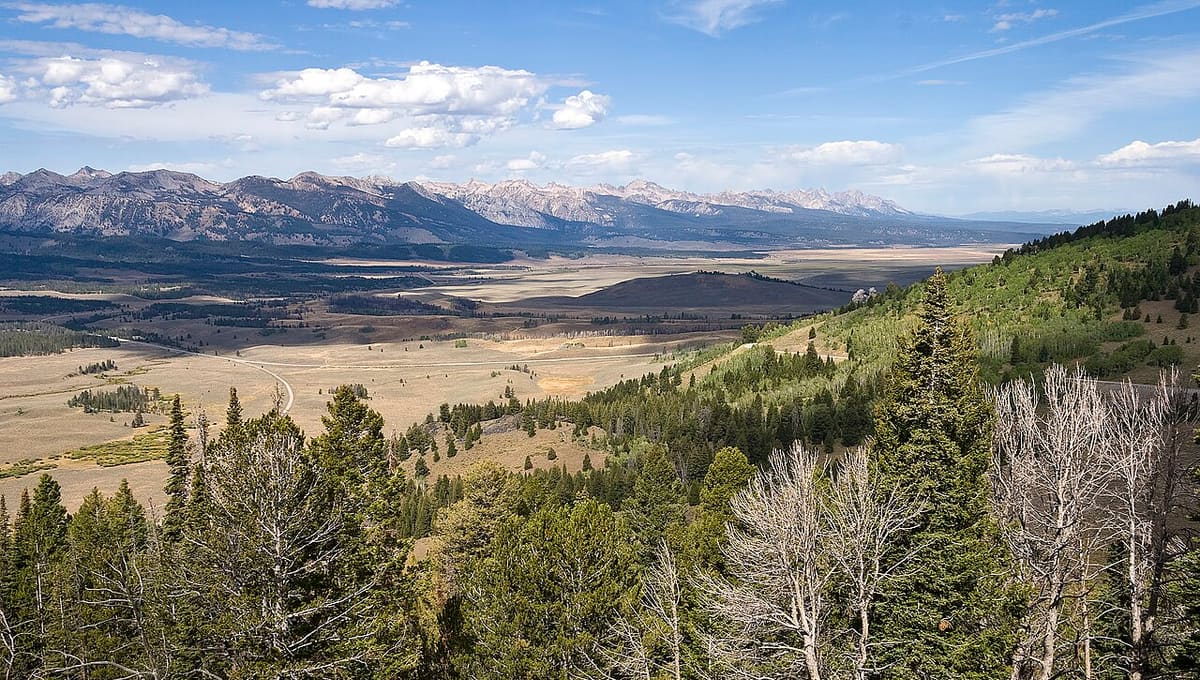
Image: Acroterion · CC BY-SA 4.0 · Wikimedia Commons
The Central Idaho Dark Sky Reserve spans roughly 906,000 acres around the Sawtooth National Recreation Area, stretching across Blaine, Boise, Custer, and Elmore counties and taking in the towns of Sun Valley, Ketchum, and Stanley. It holds the distinction of being the first Gold Tier International Dark Sky Reserve in the United States.
Why Central Idaho Dark Sky Reserve is a top stargazing spot
The reserve was designated on December 18, 2017, an area more than double the size of Los Angeles, jointly protected by local cities, the county, a conservation league, businesses, and land managers. Ketchum, within the reserve, was separately named a Dark Sky Community that same year. Geography helps too: Stanley sits about 130 miles from Boise, the nearest city with a commercial airport, and roughly 80 miles of mountain ranges stand between the two, blocking most of Boise's light pollution from reaching the reserve. Sky quality meters installed along State Highway 75 in the Sawtooth Valley, between Redfish Lake and Pettit Lake, continuously track just how dark the skies here really are.
What you can see
Visitors can expect clear views of the Milky Way, meteors, planets such as Mercury and Venus, and a range of deep-sky objects across the reserve's core areas. Summer nights bring out constellations including Cygnus, Hercules, Sagittarius, and Scorpius, and the Perseid meteor shower is visible throughout August. The reserve regularly hosts gatherings tied to celestial events, including solstices and meteor showers, along with the dedicated Stanley Star Party at Stanley Pioneer Park.
Visiting Central Idaho Dark Sky Reserve at night
In Stanley, good viewing spots include Pioneer Park, the Stanley Museum grounds, Stanley Lake Creek Day Use Site, Park Creek Overlook, and Elk Creek Campground in the Sawtooth National Forest. Around Ketchum and Sun Valley, try Knob Hill Park overlooking downtown Ketchum, Atkinson Park, or the Hemingway Memorial. Redfish Lake Lodge also runs stargazing float activities on the lake itself for a different vantage point. State Highways 75 and 21 provide easy access through the reserve, and Highway 75 through the Sawtooth Valley is especially convenient for reaching the darkest core areas, with Redfish Lake and Pettit Lake as easy reference points.
Best time to go
Fall is generally considered the best season here: nights are longer, temperatures are still comfortable, and the wildfire smoke that can hang over the valley in summer has typically cleared. That said, the Milky Way's core is visible from around March through September as it is throughout the northern hemisphere, and the Perseid shower in August is a reliable summer highlight. As always, time any visit to fall near a new Moon, allow your eyes 20 to 30 minutes to adjust, and use red light only once you're out under the stars.
Getting there
Stanley is the reserve's most remote hub, about 130 miles from Boise via mountain highways, while Ketchum and Sun Valley sit closer to the reserve's southern edge and are reachable via State Highway 75.
See your named star from here
The Sawtooth Valley's protected darkness makes it an excellent place to find a star you have named with Star Register. Bring your certificate's coordinates and a stargazing app along Highway 75 or to a Stanley Star Party, then explore the star catalogue or our observatories directory for other dark-sky spots to visit.
Conditions and access vary by season. Check the official website and Google Maps before you travel, and aim for a clear night near the new Moon for the darkest sky.
Satellite imagery: Esri, Maxar, Earthstar Geographics

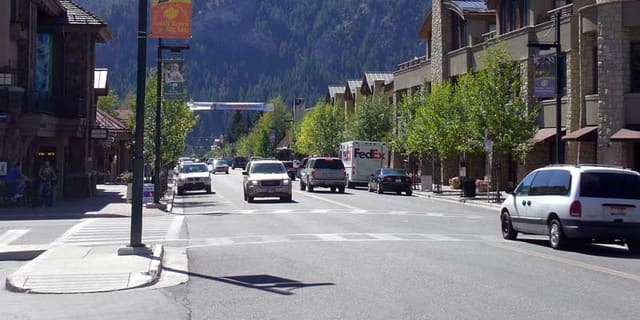 53 kmCommunity
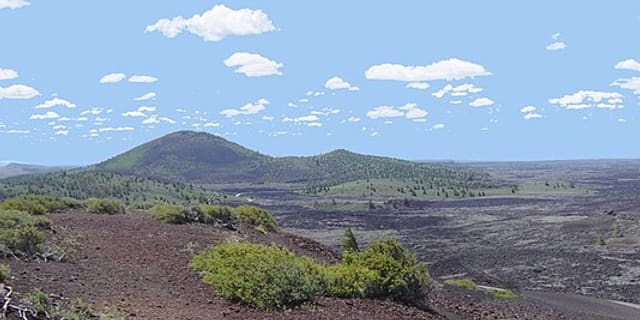 118 kmDark Sky Park
Craters of the Moon National Monument and Preserve
national monument in the United States

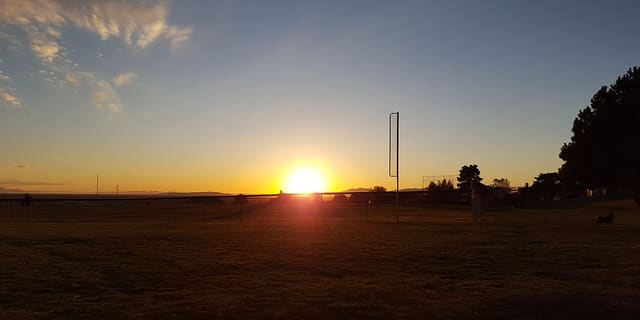 378 kmDark Sky Park
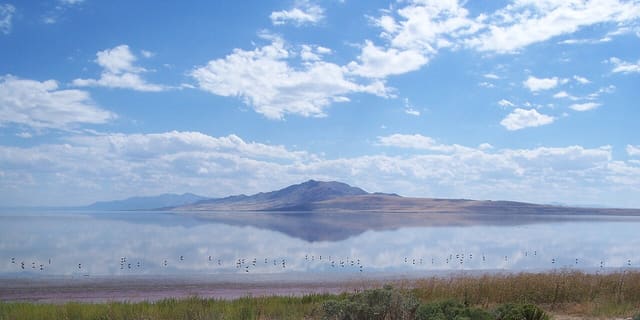 401 kmDark Sky Park
Antelope Island State Park
state park in Davis County, Utah, United States