
Craters of the Moon National Monument and Preserve

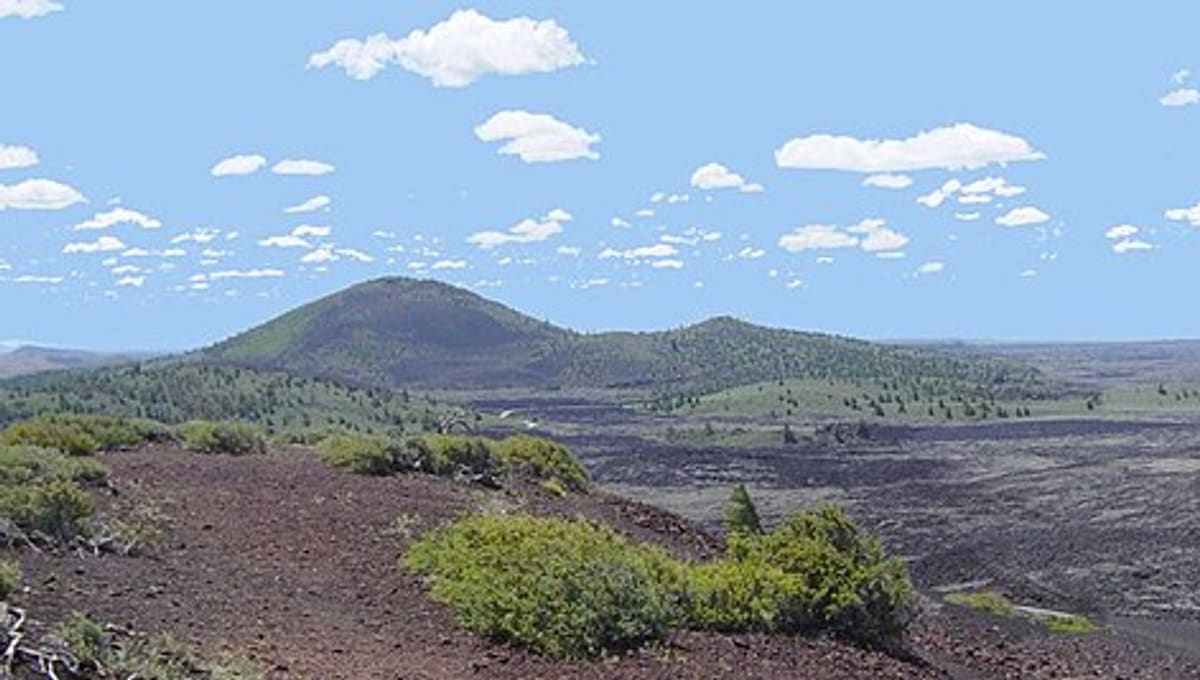
Image: CC BY-SA 3.0 · Wikimedia Commons
Craters of the Moon National Monument and Preserve protects a dramatic volcanic landscape on the Snake River Plain in south-central Idaho, between the towns of Arco and Carey. The monument was established in 1924, and it was certified an International Dark Sky Park in 2017.
Why Craters of the Moon is a top stargazing spot
Spanning 21,618 hectares at an average elevation of 5,900 feet, the monument enjoys Bortle Class 2 sky conditions, rated excellent for stargazing. Its distance from large cities and the low southern horizon looking out over the Snake River Plain both help keep the sky exceptionally dark and clear.
What you can see
Under these conditions the Milky Way is a striking sight arcing over the monument's fields of lava flows and cinder cones, typically becoming visible around two hours after sunset and reaching its best viewing roughly ninety minutes to two hours after that. July is generally the strongest month for Milky Way viewing, though the season runs from February through November. Park rangers and volunteers from the Pocatello Astronomical Society regularly bring telescopes to summer and fall star parties, which gather at the Caves Area Parking Lot around 8:30pm with telescope viewing starting roughly 9:15pm; the same volunteers also run summer astronomy programmes at the campground from July through September.
Visiting Craters of the Moon at night
Good vantage points within the monument include Devil's Orchard, Inferno Cone and the Spatter Cones, all easily reached from the Loop Road. Overnight visitors can stay at the Lava Flow campground, and the park also runs full moon hikes along the Devils Orchard Trail for a different kind of night-time experience. The Loop Road stays open 24 hours from spring through fall but closes for the winter from November to May because of snow, so the practical stargazing season here runs April through October, which also happens to be when weather and road access are most reliable. Check the official National Park Service site for the current schedule of star parties and programmes before you travel, and pack a red-filtered light to protect your night vision once the sky darkens.
Best time to go
Given the winter road closure, aim for a clear night between April and October, with July offering the best odds for a bright, high Milky Way core. The Perseids in August are the most accessible meteor shower here, since the Loop Road's winter closure rules out watching December's Geminids or January's Quadrantids from within the monument itself. Whenever you go, plan around the new Moon, allow at least 20 to 30 minutes for your eyes to adapt to the dark, and use a red light rather than white once you're out under the stars.
Getting there
Craters of the Moon sits directly along US Highway 20, between the small towns of Arco and Carey in central Idaho, making it a straightforward stop for anyone travelling that route.
See your named star from here
Bortle Class 2 skies over a landscape as striking as Craters of the Moon make it an excellent place to find a named star using its coordinates and a stargazing app. Browse the star catalogue or explore other observatories for more dark-sky destinations.
Conditions and access vary by season. Check the official website and Google Maps before you travel, and aim for a clear night near the new Moon for the darkest sky.
Satellite imagery: Esri, Maxar, Earthstar Geographics

 69 kmCommunity
 118 kmReserve
 269 kmDark Sky Park
 300 kmDark Sky Park
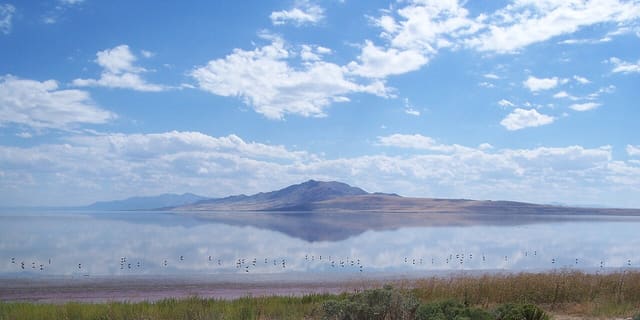
Antelope Island State Park
state park in Davis County, Utah, United States