
Death Valley National Park

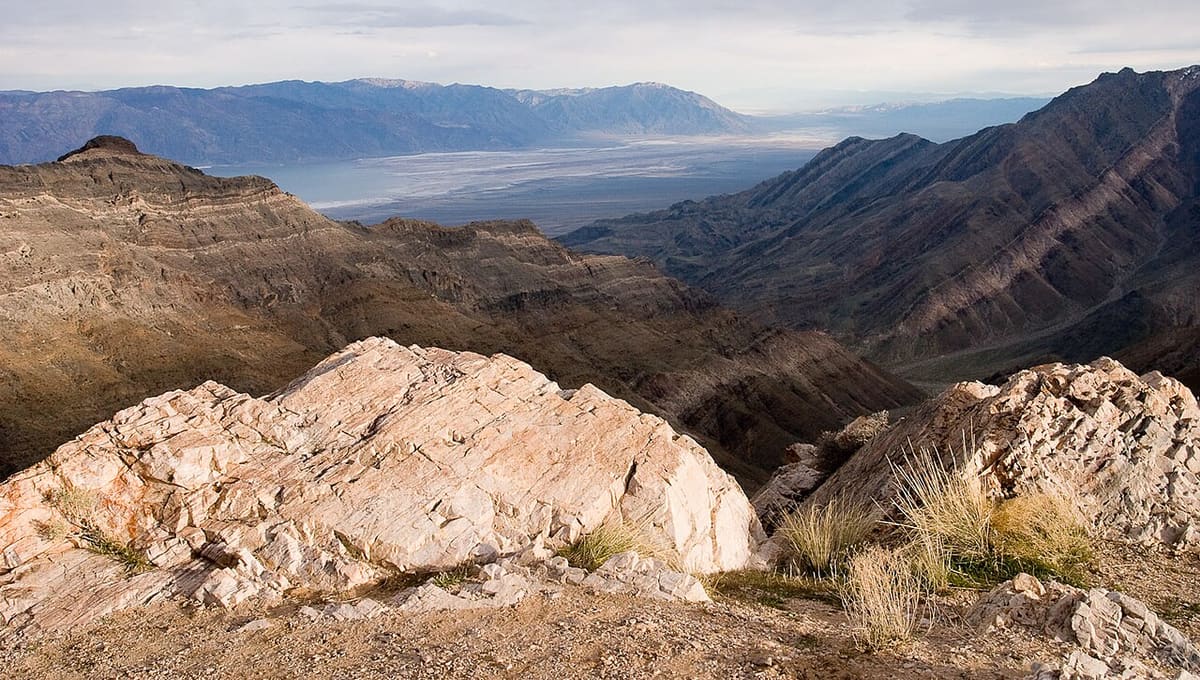
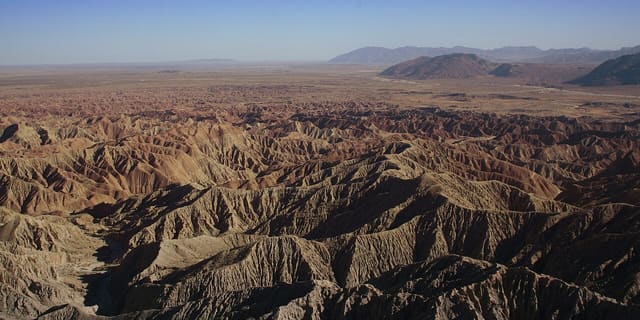
Image: Greg Willis from Denver, CO, usa · CC BY-SA 2.0 · Wikimedia Commons
Death Valley National Park spans the California-Nevada border east of the Sierra Nevada, and its remote desert basins have earned it Gold Tier International Dark Sky Park status, only the third US National Park System unit to be so recognised.
Why Death Valley National Park is a top stargazing spot
Death Valley was designated a Gold Tier International Dark Sky Park in 2013, a tier that requires sustained sky quality meter readings above 21.75 magnitudes per square arcsecond. Its skies measure Bortle Class 2, dark enough that the Milky Way casts visible shadows on the ground, and the park sees more than 300 clear nights a year. Sitting about 190 miles from Los Angeles but shielded by mountains and a vast open basin, light pollution reaching the park's interior is minimal.
What you can see
On a clear, moonless night the Milky Way arches overhead bright enough to throw faint shadows, and the park's darkest corners reveal star fields, meteors and deep-sky detail rarely seen elsewhere in California or Nevada. Badwater Basin, the park's low southern point, is shielded from surrounding light by mountains and offers some of the darkest skies in the park. The park is also one of the more reliable places in the Southwest to watch meteor showers: the Perseids peak around August 11-13 with roughly 90 meteors an hour, while the Geminids in December can exceed 100 meteors an hour under the park's darkest skies, making them the more intense of the two. In 2026, three meteor showers are set to overlap with a moonless Perseid peak, an unusually favourable year for meteor watching here.
Visiting Death Valley National Park at night
Night sky programs run from November through April, and the park's annual Dark Sky Festival brings in speakers from NASA, JPL and SETI alongside large public telescopes. Popular after-dark spots include Harmony Borax Works, Mesquite Flat Sand Dunes, Badwater Basin and Ubehebe Crater. Check the National Park Service site for current program dates and road conditions before you travel.
Best time to go
For the Milky Way's bright core, aim for spring through early autumn, when it arcs high overhead during the evening hours; winter nights trade that for crisp views of Orion and the other bright winter constellations instead. Meteor watchers should mark the Perseids in mid-August and the Geminids in mid-December, with the best viewing typically between 1am and 3am, and the Quadrantids in early January offer a third, sharper peak for anyone visiting in winter. Whatever the season, plan your visit around the new Moon, give your eyes twenty to thirty minutes to adapt fully to the dark, and use only a red light once you are out under the stars.
Getting there
Death Valley National Park sits about 190 miles from Los Angeles, with Furnace Creek serving as the park's main hub and visitor centre. Gateway towns such as Beatty and Pahrump in Nevada and Lone Pine in California offer the nearest fuel and lodging outside the park; from any of them, expect a drive of an hour or more into the park's dark interior.
See your named star from here
Death Valley's Bortle 2 skies are dark enough to pick out stars that never appear above a city horizon, making it a genuine place to go looking for the star you have named. Bring your certificate's coordinates and a stargazing app, explore the star catalogue or check nearby observatories, and if you would like to name a star of your own, see the available packages.
Conditions and access vary by season. Check the official website and Google Maps before you travel, and aim for a clear night near the new Moon for the darkest sky.
Satellite imagery: Esri, Maxar, Earthstar Geographics

 282 kmDark Sky Park
Grand Canyon-Parashant National Monument
national monument in the United States

 299 kmDark Sky Park
 354 kmDark Sky Park
Zion National Park
national park in Washington, Iron, and Kane counties in Utah, United States

 357 kmDark Sky Park