
Grand Canyon-Parashant National Monument

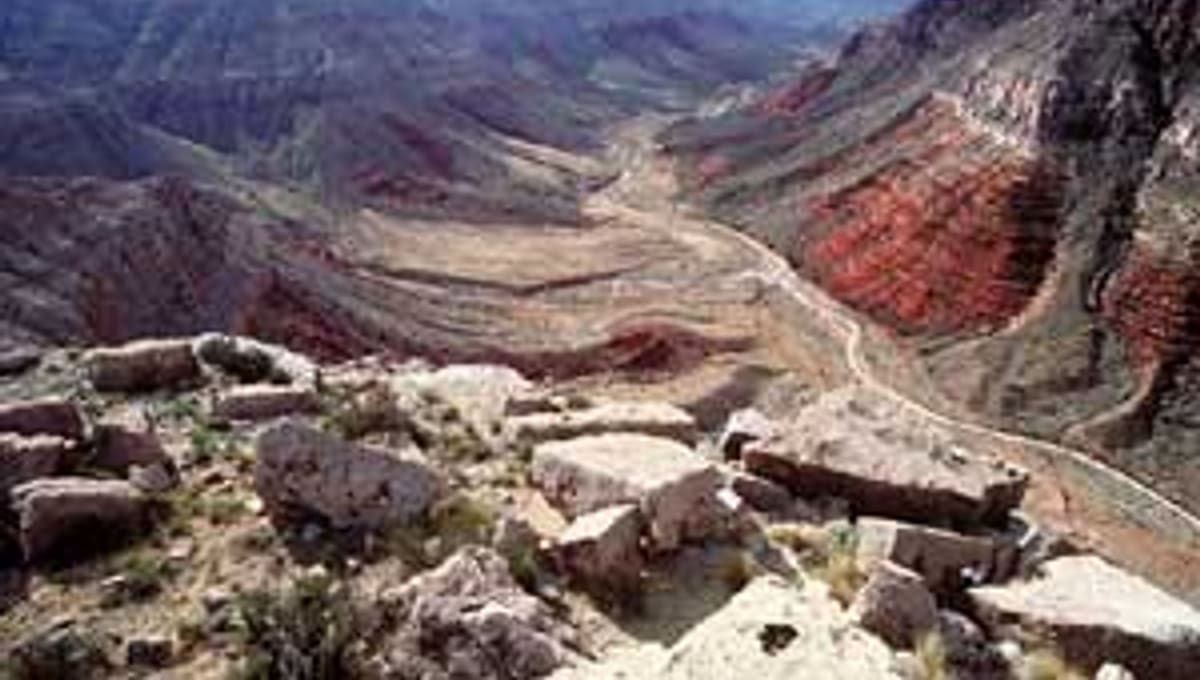
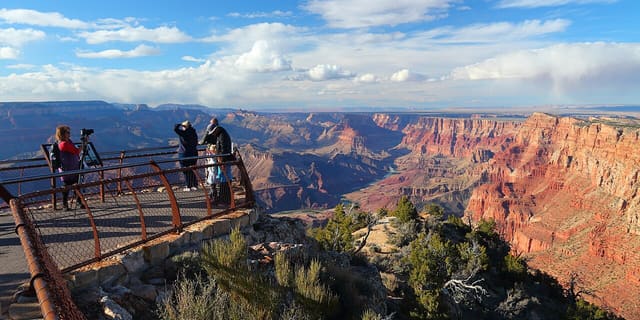
Image: BLM Photo · Public domain · Wikimedia Commons
Grand Canyon-Parashant National Monument, an International Dark Sky Park on the remote Arizona Strip north of the Grand Canyon, protects over a million acres of high plateau country under some of the least light-polluted skies in the contiguous United States.
Why Grand Canyon-Parashant National Monument is a top stargazing spot
DarkSky International, then known as the International Dark-Sky Association, awarded the monument Gold Tier status, its highest designation, in February 2014, under the official name Parashant International Night Sky Province, Window to the Cosmos. It was the first Bureau of Land Management area anywhere to receive an IDA dark sky designation, and only the fifth National Park Service site to be recognised. The monument's high-elevation plateaus, excellent air quality, near-total absence of nearby population and largely cloud-free weather combine to make its skies exceptional.
What you can see
With no paved roads, few structures and four designated Wilderness areas inside its boundaries, Parashant offers an unbroken view of the night sky largely free of any artificial light on the horizon, giving the Milky Way and fainter stars a clarity that is hard to find elsewhere in the region.
Visiting Grand Canyon-Parashant National Monument at night
The monument is jointly managed by the Bureau of Land Management and the National Park Service and remains genuinely remote: expect unpaved roads, no drinking water or lodging, and long distances between services. Vault toilets are the extent of the facilities, scattered at points including Mount Trumbull Trailhead, Poverty Mountain, Pakoon Springs, Grand Gulch Mine at the Landing Strip, Nampaweap Trailhead and Tassi Ranch. High-clearance vehicles are recommended for the backcountry roads, and the nearest supplies and services are in St. George, Utah. That remoteness is exactly what keeps the skies dark, and it rewards visitors who come prepared.
Best time to go
Spring and autumn are the most comfortable seasons to visit: summer lower-canyon temperatures can top 110 degrees Fahrenheit (43 degrees Celsius) and the June through September monsoon brings a real flash flood risk on the dirt roads and in the washes, while winter lows can drop to around 20 degrees Fahrenheit (minus 7 Celsius) and roads above 5,000 feet are prone to ice and snow. Astronomically, the Milky Way's core is best seen from roughly March to October, meteor shower watchers should look for the Perseids in August and the Geminids in December, and the usual practice applies everywhere in the monument: pick a night near new Moon, let your eyes adjust for 20 to 30 minutes, and use a red light rather than white.
Getting there
Parashant sits about 30 miles southwest of St. George, Utah, and is typically reached via River Road south to the Arizona/Utah border and then BLM Road 1069 into the monument. A high-clearance vehicle is strongly recommended, and it's worth checking conditions with the BLM or NPS before setting out, since there is nowhere to resupply once inside.
See your named star from here
Few places in the United States offer a horizon as free of light pollution as Parashant's, which makes it a genuine option for tracking down a star you have named. Bring your star coordinates and a stargazing app, and let the monument's Gold Tier skies do the rest. Explore the star catalogue or see observatories near other dark sky sites for more places to look up.
Conditions and access vary by season. Check the official website and Google Maps before you travel, and aim for a clear night near the new Moon for the darkest sky.
Satellite imagery: Esri, Maxar, Earthstar Geographics

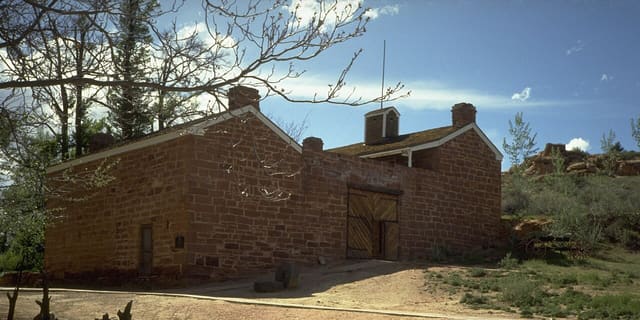 100 kmDark Sky Park
Pipe Spring National Monument
national monument in Mohave County, Arizona, United States

 107 kmCommunity
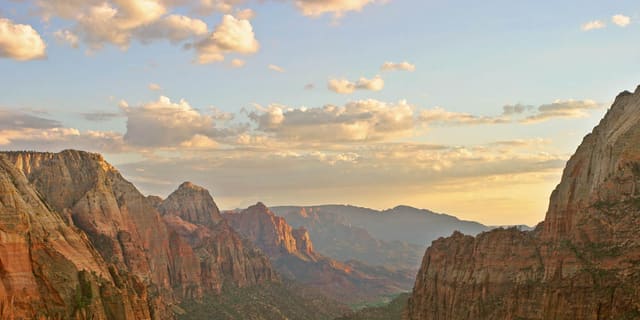 109 kmDark Sky Park
Zion National Park
national park in Washington, Iron, and Kane counties in Utah, United States

 147 kmDark Sky Park
Grand Canyon National Park
national park in Coconino and Mohave counties in Arizona, United States