
Chiricahua National Monument

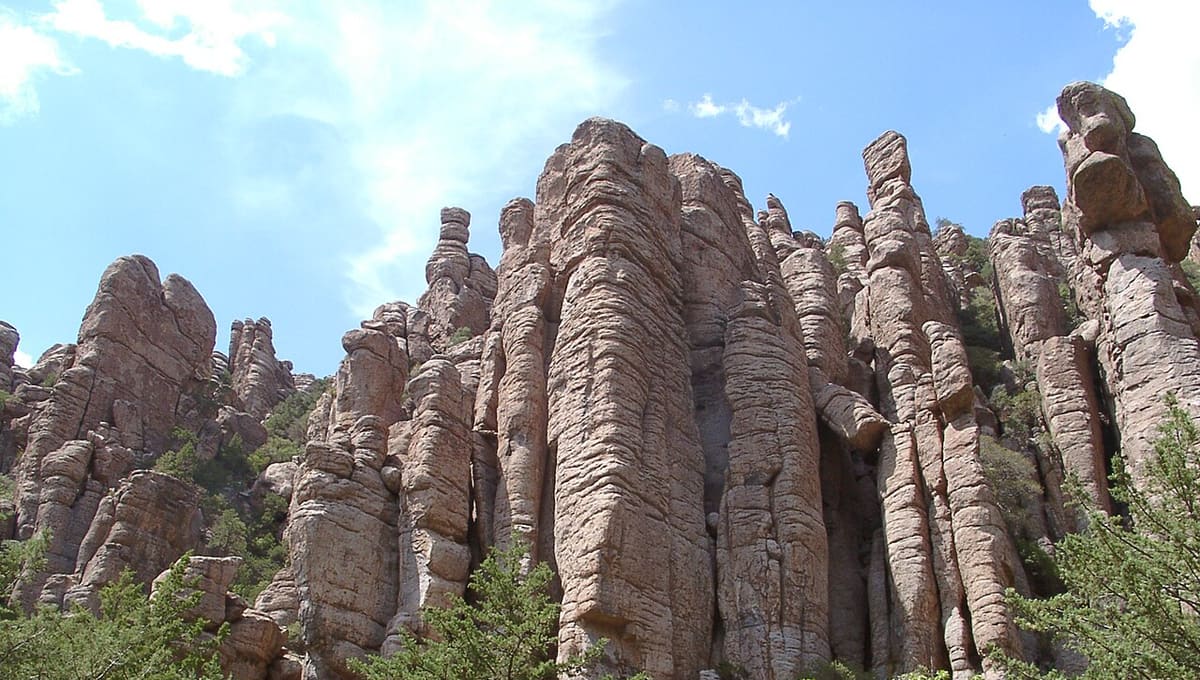
Image: CC BY-SA 3.0 · Wikimedia Commons
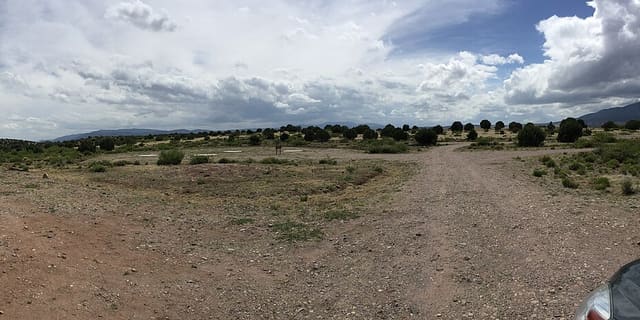
Chiricahua National Monument protects an otherworldly landscape of hoodoos and balancing rocks in the Chiricahua Mountains of southeastern Arizona, and its geographic isolation has kept its night sky remarkably free of light pollution.
Why Chiricahua National Monument is a top stargazing spot
Chiricahua was named the 104th International Dark Sky Park by the International Dark-Sky Association, covering 48.5 square kilometers of protected land. Nearly pristine sky quality here sees limited influence from distant cities, aided by excellent air quality, low annual precipitation, and mild temperatures that make for comfortable, clear viewing conditions much of the year.
What you can see
The Milky Way and a range of deep-sky objects are visible from the monument on clear nights, standing out sharply above the park's distinctive rock formations. For the most striking views, plan a visit away from the full Moon.
Visiting Chiricahua National Monument at night
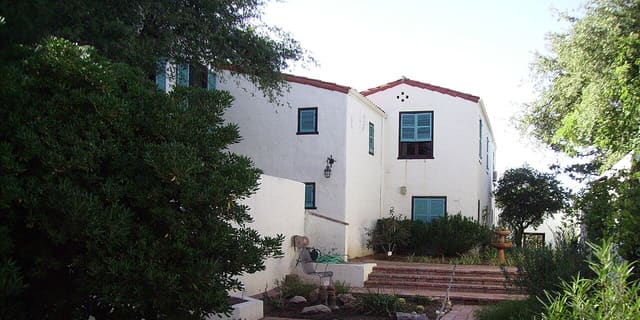
The Faraway Ranch and Echo Canyon parking lots are recommended viewing locations, offering wide, unobstructed sky views. The monument also preserves the historic Faraway Ranch, once owned by Swedish immigrants Neil and Emma Erickson, as part of the site. Anyone wanting to stay overnight can book the Bonita Canyon Campground, open year-round with 25 non-electric sites, one group site and one ADA-accessible site; there are no water, electric or sewer hookups, RVs are limited to 29 feet, and several sites have narrow, sharp-angled approaches. Overnight parking outside the campground is not permitted, and there is no fuel for sale at the monument, so fill up in Willcox or Sunizona before heading in. The Tucson Amateur Astronomy Association runs periodic star parties at the monument, typically free but requiring reservations, with gates opening around 7 PM and the programme running into the evening; check its events page or contact the club directly for the current schedule.
Best time to go
From this northern-hemisphere, high-desert location, the Milky Way core is best placed roughly March through September, while the dry Arizona winter still delivers exceptionally clear, if colder, nights for the bright winter constellations. The Perseids peak in mid-August, a natural fit for a summer visit, and the Geminids in December or Quadrantids in January are worth the extra layers if skies stay clear. As always, time your trip around the new Moon, let your eyes adapt to the dark for 20 to 30 minutes, and use a red light to protect your night vision.
Getting there
Chiricahua National Monument sits about 120 miles southeast of Tucson and 36 miles southeast of Willcox, Arizona, reached via State Route 181. Willcox and the smaller community of Sunizona are the nearest places to fuel up, since no gasoline is sold inside the monument.
See your named star from here
Chiricahua's nearly pristine skies make it a great place to look for a star you have named through Star Register. Bring your certificate's coordinates and a stargazing app to the Faraway Ranch or Echo Canyon lots, use our guide on how to find a star in the night sky if you need it, then browse the star catalogue or our observatories directory for more dark-sky places to visit.
Conditions and access vary by season. Check the official website and Google Maps before you travel, and aim for a clear night near the new Moon for the darkest sky.
Satellite imagery: Esri, Maxar, Earthstar Geographics

 95 kmDark Sky Park
 132 kmDark Sky Park
 167 kmDark Sky Park
 169 kmSanctuary