
Tumacácori National Historical Park

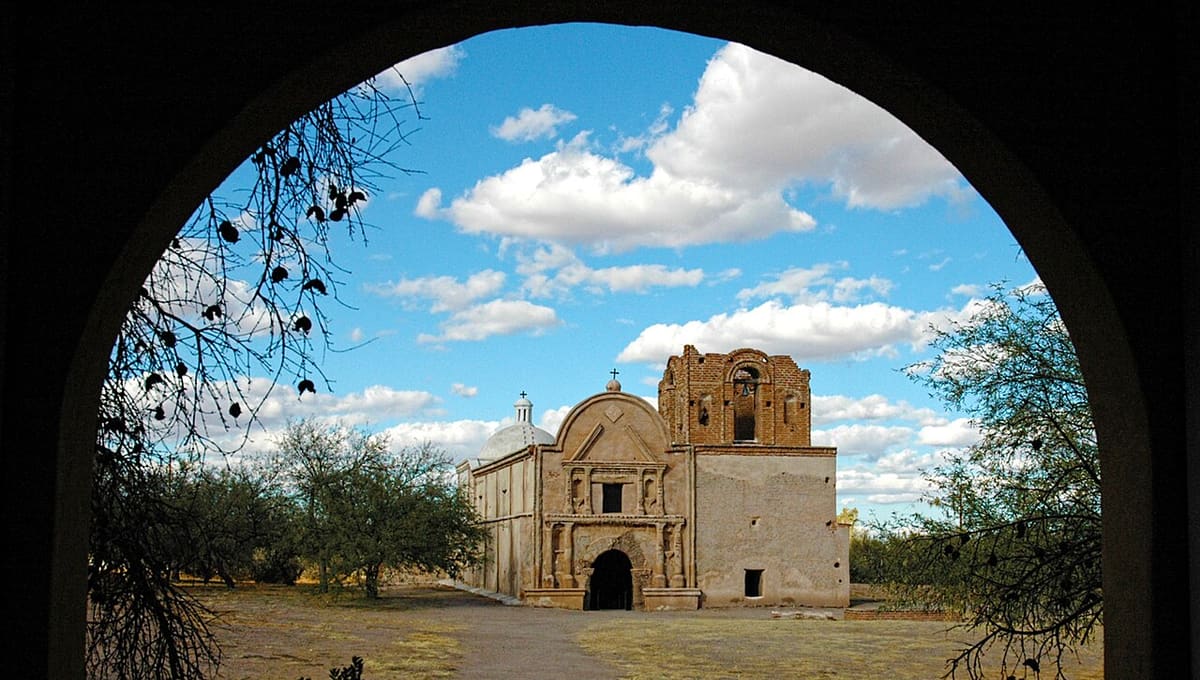
Image: Packbj · CC BY-SA 4.0 · Wikimedia Commons
Tumacácori National Historical Park protects the ruins of three Spanish colonial missions in the upper Santa Cruz River Valley of southern Arizona, and holds International Dark Sky Place designation as the 100th place in the world to earn it.
Why Tumacácori National Historical Park is a top stargazing spot
Tumacácori keeps a remarkably dark sky despite sitting between two growing urban centres, thanks in part to IDA-approved, dark-sky-friendly lighting fixtures installed at the park entrance. That combination of active light management and steady darkness is what earned it recognition as the 100th International Dark Sky Place in the world.
What you can see
The park uses its night sky as part of the visitor experience itself, framing the same stars that would have been visible to the Spanish colonial missionaries and the communities who lived here centuries ago. The Tucson Amateur Astronomy Association partners with the park for star parties, bringing multiple telescopes for views of planets, nebulae, galaxies, and star clusters; the events themselves are free, though the park's usual admission fees still apply. Evening programmes, running since 2016, focus on night sky viewing above the mission ruins and the 1937 Tumacácori Museum, though they happen periodically and depend on the weather.
Visiting Tumacácori National Historical Park at night
The park is open 9 am to 5 pm daily, about 45 miles south of Tucson off Interstate 19, close to the historic art town of Tubac. A 4.5-mile trail follows the Santa Cruz River between Tumacácori and Tubac, with 4 miles of it running along the Juan Bautista de Anza National Historic Trail, so it's easy to combine a daytime walk with an evening stargazing visit. If you're attending one of the evening programmes, bring a flashlight or headlamp with a red filter, since it lets you see your surroundings without ruining anyone's night vision. It's worth checking the official park website for current dates and times before you travel.
Best time to go
Sitting at just over 31 degrees north, Tumacácori has a Milky Way season that runs from roughly March through September, with the galactic core climbing highest overhead in the summer months. Meteor watchers should look for the Perseids in August, the Geminids in December, and the Quadrantids in January. The site's location in the Santa Cruz River Valley means a clear night near the new Moon, with a few minutes to let your eyes adjust, will give you the best view of what the dark-sky lighting protects.
Getting there
Tumacácori sits about 45 miles south of Tucson via Interstate 19, in the upper Santa Cruz River Valley of Santa Cruz County, right next to the historic town of Tubac.
See your named star from here
Standing among centuries-old mission ruins under a sky dark enough to earn International Dark Sky Place status is a memorable place to find a star you've named through Star Register. Bring your certificate's coordinates and a stargazing app, browse the star catalogue to name one first, or check our observatories listing if you'd like a guided session nearby.
Conditions and access vary by season. Check the official website and Google Maps before you travel, and aim for a clear night near the new Moon for the darkest sky.
Satellite imagery: Esri, Maxar, Earthstar Geographics

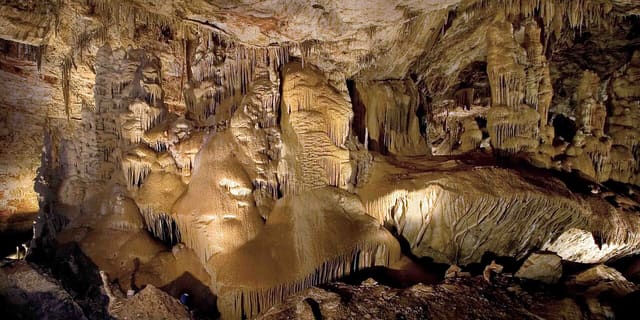 73 kmDark Sky Park
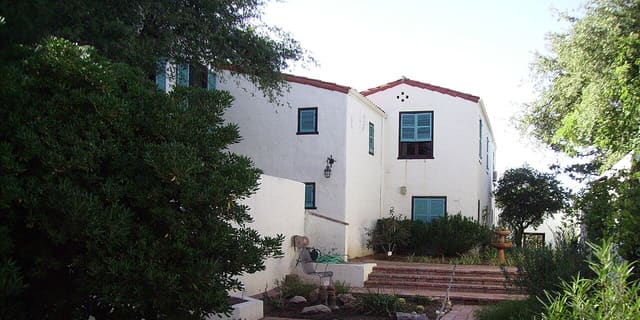 122 kmDark Sky Park
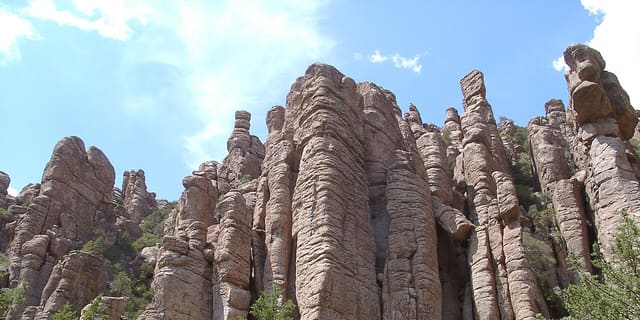 167 kmDark Sky Park
 232 kmDark Sky Park