
Oracle State Park

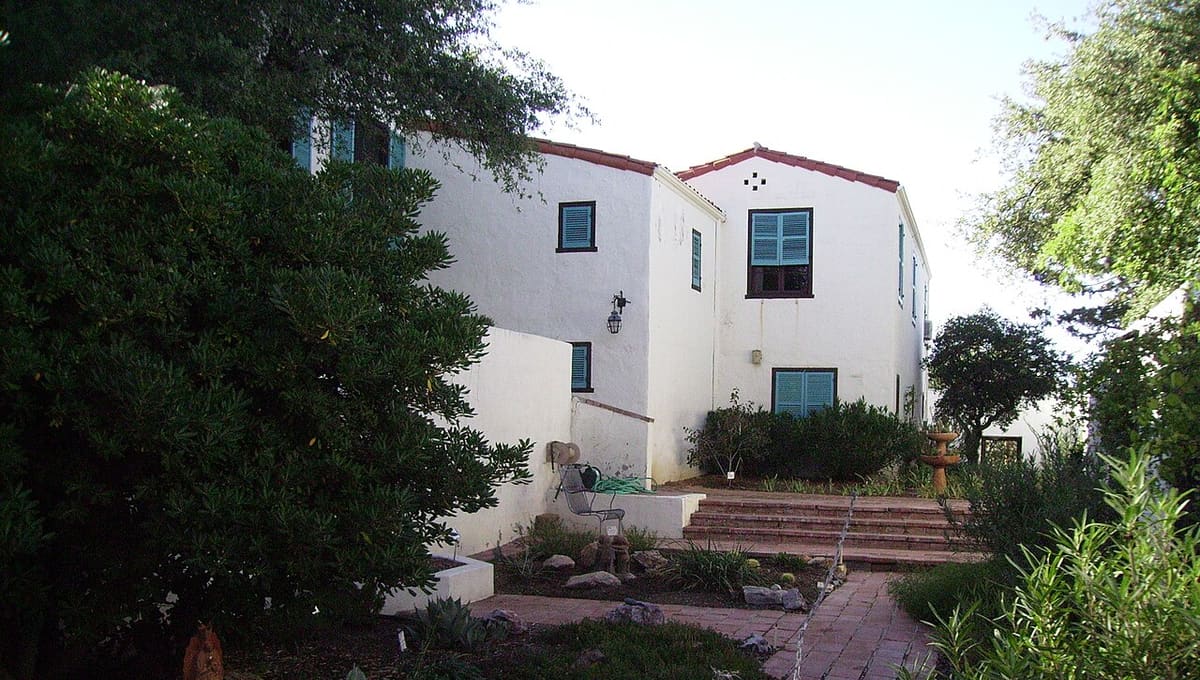
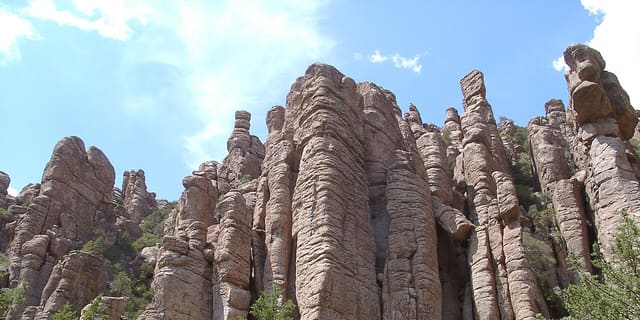
Image: ChuckNugent · CC BY-SA 3.0 · Wikimedia Commons
Oracle State Park sits in the northeastern foothills of the Santa Catalina Mountains in Pinal County, Arizona, about 32 kilometres from Tucson. It became an International Dark Sky Park in 2014, the first park in the Arizona State Park system to earn that recognition.
Why Oracle State Park is a top stargazing spot
Although Tucson isn't far away, the Santa Catalina Mountains block much of the city's light pollution from reaching the park, and the sky here measures at Bortle Class 2, an exceptionally dark rating. The park also preserves 3,948 acres as a wildlife refuge, with more than 15 miles of hiking trails including a stretch of the Arizona Trail.
What you can see
Under Bortle Class 2 skies, the Milky Way, visible planets, and a wealth of fainter stars and celestial objects are all within reach without any special equipment.
Visiting Oracle State Park at night
The Tucson Amateur Astronomy Association holds star parties at the park several times a year, setting up public telescopes for visitors to look through, and the park offers a reservable side entrance on American Avenue specifically for after-hours stargazing access. Oracle State Park is currently day-use only, with no overnight camping on site, so a star party or reserved after-hours visit is the way to experience its skies once the sun goes down; a roughly $4 million renovation approved in 2018 would eventually add RV sites, cabins and tent sites, but its status is unconfirmed, so it's worth checking directly with the park before planning an overnight stay. Nearby alternatives include primitive camping at Peppersauce Canyon in the Coronado National Forest, about 6 miles up Mt. Lemmon Road, and full tent and RV camping at Catalina State Park, roughly 23 miles south. For the clearest views, aim for a new Moon night, let your eyes adjust to the dark for at least twenty minutes, and bring a red light rather than a white flashlight.
Best time to go
In this part of Arizona, the Milky Way's bright core is best seen from around March through September, arcing across the southern sky after dark. Winter swaps that view for the crisp winter constellations and the Geminid meteor shower in December, with the Quadrantids following in early January; the Perseids put on their show every August. Whichever season you choose, a new Moon night gives the darkest sky, and it's worth arriving early enough to let your eyes fully adapt before the best viewing begins.
Getting there
Oracle State Park is reached via the town of Oracle in Pinal County, about 32 km (20 miles) north of Tucson in the foothills of the Santa Catalina Mountains. Check the park's website for current hours and the reserved after-hours entrance before heading out at night.
See your named star from here
With mountains shielding it from city glow, Oracle State Park is a solid spot to find a named star with a stargazing app and its coordinates from Star Register. Take a look through the star catalogue before your visit, and check nearby observatories for more options in the region.
Conditions and access vary by season. Check the official website and Google Maps before you travel, and aim for a clear night near the new Moon for the darkest sky.
Satellite imagery: Esri, Maxar, Earthstar Geographics

 87 kmDark Sky Park
 122 kmDark Sky Park
 128 kmDark Sky Park
 132 kmDark Sky Park