
Buffalo National River

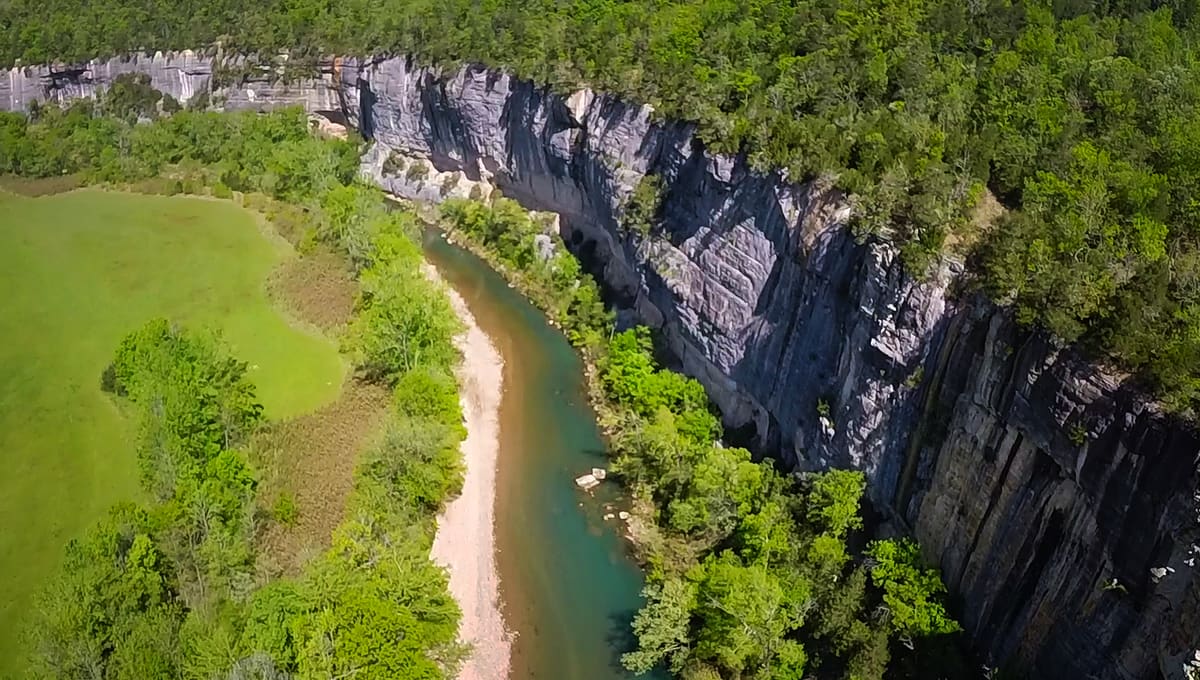
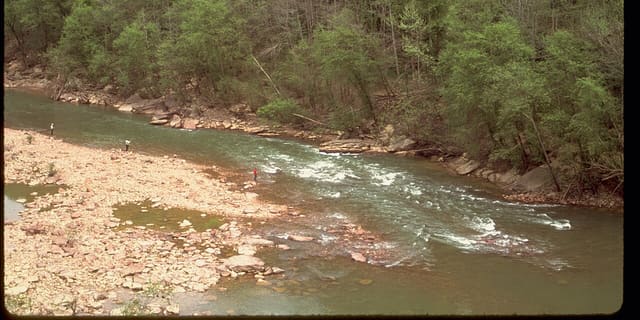
Image: Mattsrealm · CC BY-SA 4.0 · Wikimedia Commons
Buffalo National River winds 153 miles through northern Arkansas, flowing from the Boston Mountains of the Ozarks through Newton, Searcy, Marion, and Baxter counties before joining the White River. It was the first river in the United States to be designated a National River, and in 2019, after a multi-year application process, it became the first International Dark Sky Park in Arkansas.
Why Buffalo National River is a top stargazing spot
The dark-sky certification followed lighting audits and retrofits carried out between 2016 and 2019, replacing old fixtures with motion-activated, amber-coloured, shielded lighting across visitor facilities, including the restrooms. That work helped the river valley earn a Bortle Class 2 rating, one of the darkest possible on the light pollution scale, and it shows: on a clear night the Milky Way stands out plainly overhead, with thousands of stars visible against the dark.
What you can see
Under Bortle 2 skies, the galactic band of the Milky Way is easy to trace, and June is generally considered the prime month for viewing it at its brightest here. The park is also home to Arkansas's only elk herd, which visitors sometimes spot on an evening drive before settling in to stargaze once the sun is down.
Visiting Buffalo National River at night
Weekly ranger-led night sky programs run through the summer at Buffalo Point, with additional programs at Tyler Bend; call the park at 870-449-4311 for current schedules. Tyler Bend Visitor Center, the park's main visitor facility, sits about 18 miles south of Harrison, the park's headquarters town, while the Pruitt Ranger Station is 10 miles south of Harrison on Highway 7 and the Buffalo Point Ranger Station is 17 miles south of Yellville on Highway 14. For an overnight stay, Ozark Campground, about 13 miles south of Harrison on Highway 7, has flush toilets, a pavilion, and fire pits, and rustic CCC-built cabins are available at Buffalo Point alongside backcountry camping for those who want to go further in. The small towns of Jasper, Ponca, Yellville, and Marshall all offer cabin rentals, outdoor gear shops, and local dining if you'd rather base yourself outside the park.
Best time to go
As with much of the northern hemisphere, the Milky Way's core is brightest here from roughly March through September, with June standing out as the park's own recommended peak. Plan any visit around a new Moon and try to be out during astronomical twilight, once the sky has fully darkened, for the best contrast. The Perseid meteor shower peaks in mid-August and the Geminids in mid-December, both worth building a trip around, and a red flashlight will help preserve your night vision once you're out along the river.
Getting there
Harrison, Arkansas serves as the park's headquarters and the most practical base for a visit, with Tyler Bend Visitor Center about 18 miles to the south and the smaller river towns of Jasper, Ponca, Yellville, and Marshall scattered along the park's length.
See your named star from here
A Bortle 2 river valley like this one is a genuinely good place to track down a star named for someone you love. Bring your certificate's coordinates and a stargazing app to a ranger-led night program at Buffalo Point or Tyler Bend, find your star in the catalogue, and browse our observatories list for other dark-sky destinations.
Conditions and access vary by season. Check the official website and Google Maps before you travel, and aim for a clear night near the new Moon for the darkest sky.
Satellite imagery: Esri, Maxar, Earthstar Geographics

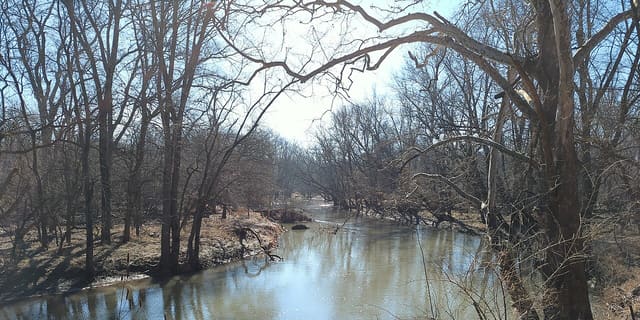 647 kmDark Sky Park
Middle Fork River Forest Preserve
park in Champaign County, Illinois, United States of America

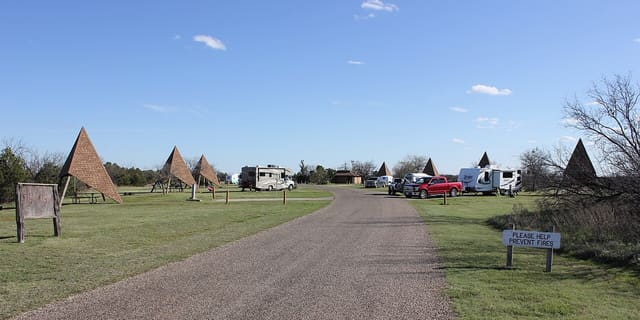 665 kmDark Sky Park
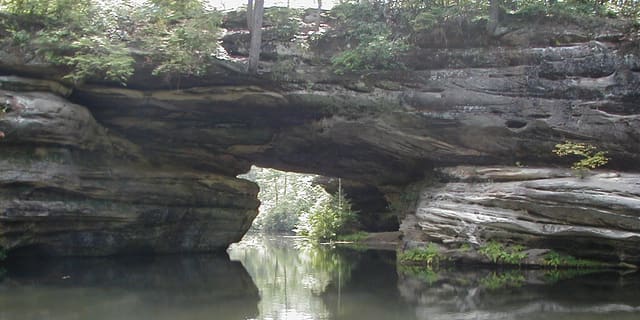 721 kmDark Sky Park
Pickett Civilian Conservation Corps Memorial State Park
state park of Tennessee

 727 kmDark Sky Park