
Tbilisi Observatory


Image: Wikimedia Commons
Tbilisi Observatory is a historic astronomical institution in Tbilisi, Georgia, with roots reaching back to the 1830s.
About Tbilisi Observatory
Originally founded in the 1830s, the observatory was integrated into an international observatory network in 1844, connecting its work to a wider community of 19th-century astronomical institutions.
History
In December 1899, a seismic station was added to the site, broadening its scientific role beyond pure astronomy. The former Kukia Observatory main building has since been repurposed as the Museum of the History of Geophysical Science, and the institution has been integrated into the M. Nodia Institute of Geophysics at Ivane Javakhishvili Tbilisi State University.
Location & getting there
The observatory is located in Tbilisi, the capital of Georgia, in the South Caucasus, making it accessible as part of a visit to the city's historic and academic quarters.
Visiting Tbilisi Observatory
Visitors interested in the geophysics museum housed in the former observatory building should check current opening hours with Tbilisi State University or the M. Nodia Institute of Geophysics before travelling.
See your named star from here
With nearly two centuries of astronomical and geophysical history behind it, Tbilisi is a meaningful place to reflect on a star named in someone's honour. The night skies over Georgia's capital can reveal that star's coordinates to any suitably aimed telescope. Browse the star catalogue or name a star to get started.
Opening hours and public-visit programs vary by season. Check the official website and Google Maps for current times before you travel.
Institutional and reference sources used to verify this guide.
Satellite imagery: Esri, Maxar, Earthstar Geographics

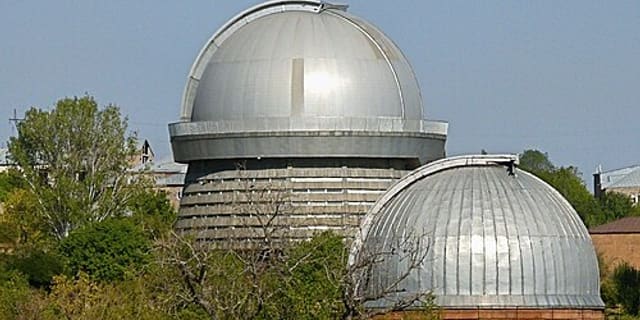 160 km
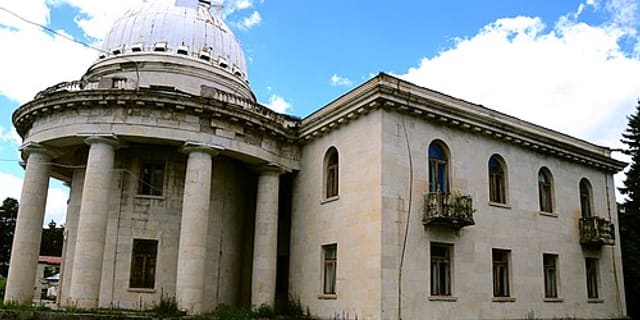 164 km
Georgian National Astrophysical Observatory
observatory in Abastumani, Adigeni Municipality, Georgia

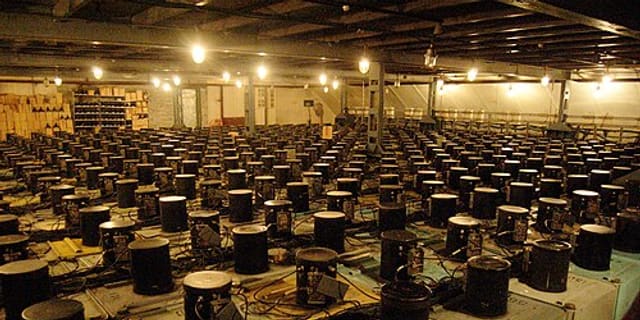 245 km
Baksan Neutrino Observatory
scientific laboratory mainly studying neutrinos; located in the Caucasus mountains in Russia

 255 km