
Georgian National Astrophysical Observatory

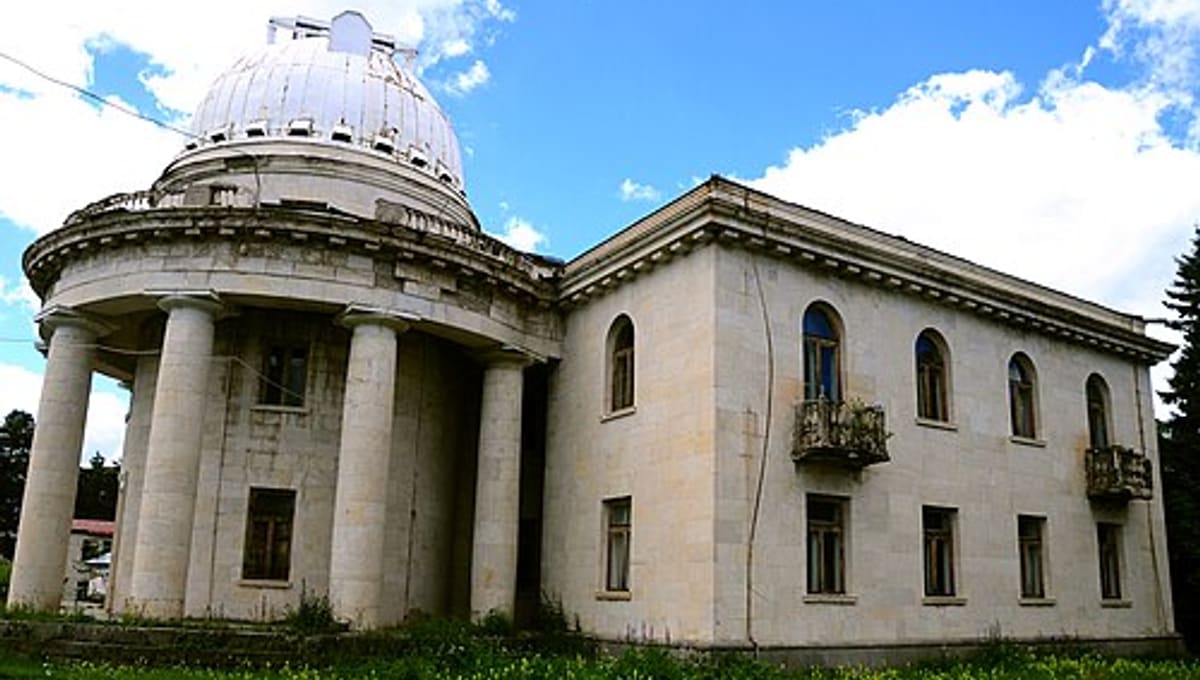
Image: Wikimedia Commons
On Mount Kanobili near the resort town of Abastumani in southeastern Georgia, the Georgian National Astrophysical Observatory has studied the sky from 1,650 metres above sea level since 1932.
About Georgian National Astrophysical Observatory
Known as GENAO, the observatory was founded by Academician Evgeni Kharadze and was the first high-altitude astrophysical observatory in the former Soviet Union. It sits roughly 250 kilometres from Tbilisi, Georgia's capital, and is operated today by Ilia State University. In 2019 it was renamed in honour of its founder.
History
The observatory's roots trace back to the 19th century, connected to Grand Duke Giorgi Alexandrovich and Professor Sergei Glazenapp, before its formal founding in 1932 by Evgeni Kharadze. It went on to become the leading centre for astrophysical research in the region.
Telescopes & research
GENAO carries out wide-ranging research across astronomy and astrophysics, as well as investigations of the upper layers of Earth's atmosphere, work supported by the site's stable weather and minimal light and air pollution.
Location & getting there
The observatory sits at an elevation between 1,650 and 1,700 metres on Mount Kanobili, near the Abastumani resort in Georgia's Samtskhe-Javakheti region, about 250 kilometres from Tbilisi. The surrounding hilly, coniferous-forest landscape and stable weather make it one of the best-sited observatories at this altitude.
Visiting Georgian National Astrophysical Observatory
Check the observatory's official website, abao.ge, or contact Ilia State University directly for current tour availability and opening details before planning a visit, as it remains primarily a working research institution.
See your named star from here
The clean, dark skies above Mount Kanobili that make GENAO one of the region's best observing sites are the same skies that hold a named star. With its coordinates in hand, an observatory here could help you find it. Name a star, or browse the star catalogue.
Opening hours and public-visit programs vary by season. Check the official website and Google Maps for current times before you travel.
Institutional and reference sources used to verify this guide.
Satellite imagery: Esri, Maxar, Earthstar Geographics

 171 km
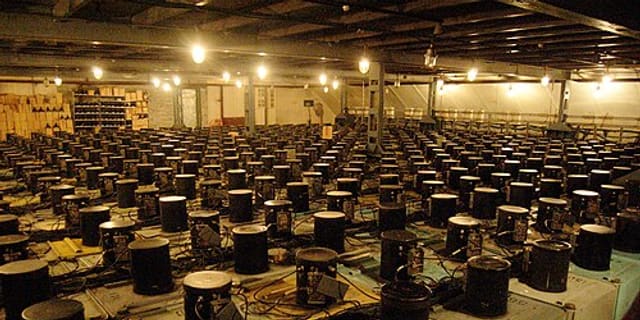
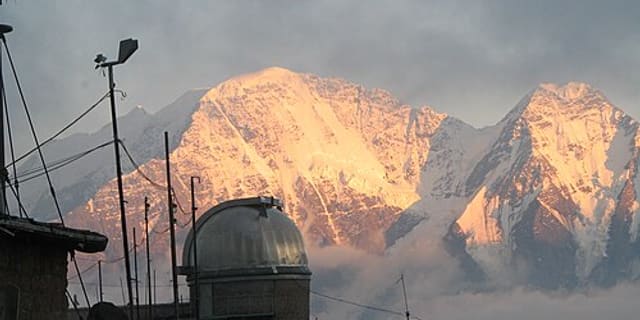
Baksan Neutrino Observatory
scientific laboratory mainly studying neutrinos; located in the Caucasus mountains in Russia

 171 km
 171 km
 200 km