
Pan-STARRS

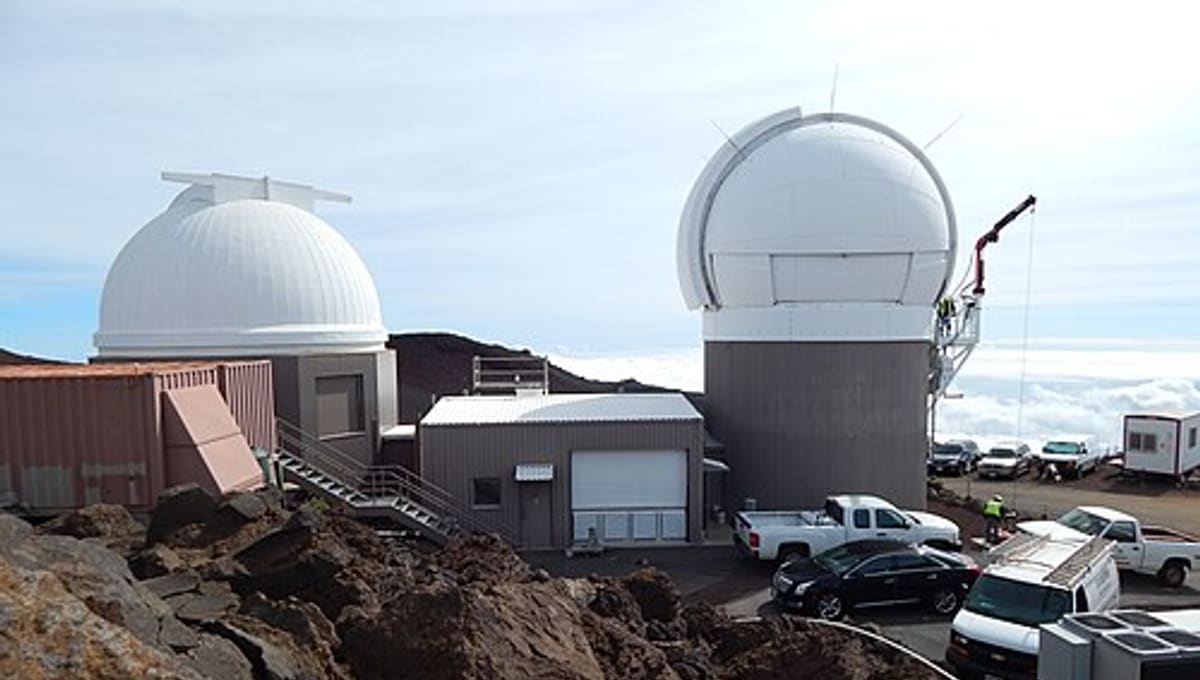
Image: Wikimedia Commons
Pan-STARRS is a survey telescope system perched atop Haleakalā on the Hawaiian island of Maui, scanning the entire visible sky night after night for anything that moves or changes.
About Pan-STARRS
The Panoramic Survey Telescope and Rapid Response System (Pan-STARRS) is an array of telescopes, cameras and computing infrastructure operated by the University of Hawaiʻi Institute for Astronomy at Haleakalā Observatory. Its PS1 telescope carries a giant 1.4-billion-pixel camera with an unusually wide 3-degree field of view, allowing it to photograph huge swathes of sky in a single exposure and repeatedly survey the same regions to spot moving or variable objects.
History
Pan-STARRS achieved first light on 30 June 2006 and went online on 6 December 2008. The Max Planck Society founded the Pan-STARRS1 Science Consortium the same year the project began, and the PS1 telescope started full-time science observations on 13 May 2010. In January 2019, Pan-STARRS released its second public data set — at 1.6 petabytes, the largest volume of astronomical data ever published at the time.
Telescopes & research
PS1's continual sky surveys are used to hunt for near-Earth asteroids and comets, track variable stars, and build precise positional and brightness measurements (astrometry and photometry) of previously catalogued objects. The huge data volumes it generates support research groups around the world well beyond Hawaiʻi.
Location & getting there
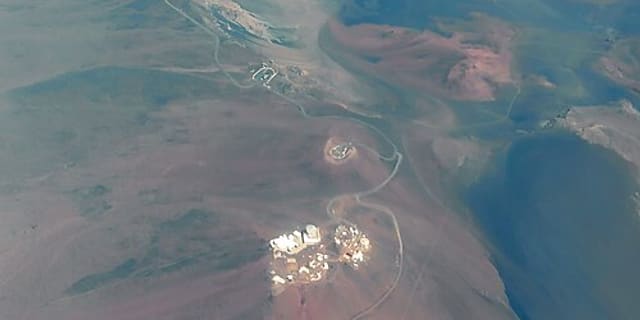
Pan-STARRS sits on Maui, one of the Hawaiian islands, in North America's Pacific reach — a high, dry summit site prized by astronomers for its steady, dark air.
Visiting Pan-STARRS
Pan-STARRS is a working scientific survey instrument rather than a public visitor centre. If you're planning a trip to Haleakalā, check the observatory's official site or local visitor information for current access rules before you go.
See your named star from here
Every night Pan-STARRS scans the same sky that holds the star you can name for someone special. Once you have your star's coordinates, you can look it up in our star catalogue or find other great vantage points on our observatories page.
Opening hours and public-visit programs vary by season. Check the official website and Google Maps for current times before you travel.
Institutional and reference sources used to verify this guide.
Satellite imagery: Esri, Maxar, Earthstar Geographics

 under 1 km
 under 1 kmResearch
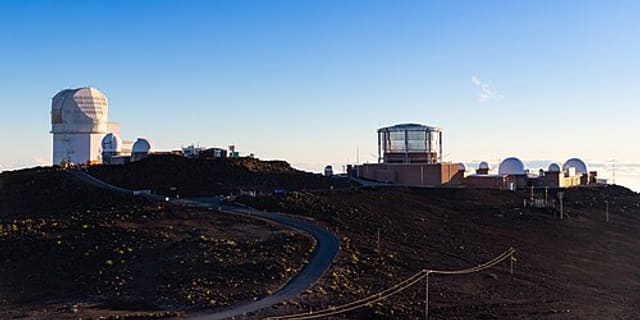
Haleakalā Observatory
first astronomical research observatory in Hawai'i

 under 1 km
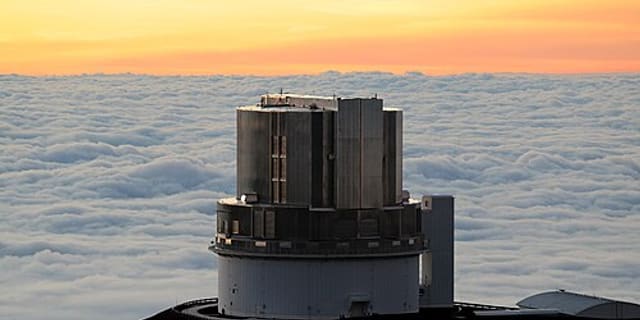
Air Force Maui Optical and Supercomputing observatory
U.S. Air Force observatory in Hawaii

 127 km