
Haleakalā Observatory


Image: Wikimedia Commons
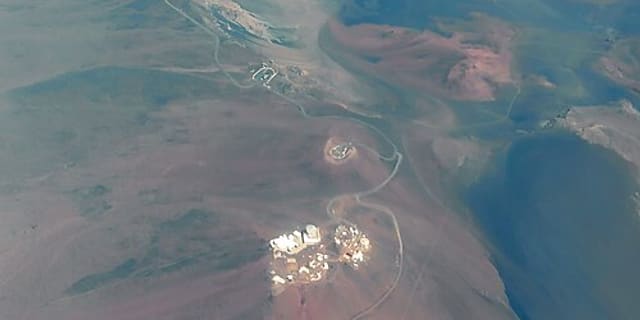
Haleakalā Observatory, also known as the Haleakalā High Altitude Observatory Site, is Hawaii's first astronomical research observatory, sitting atop the volcano of the same name on the island of Maui.
About Haleakalā Observatory
At an elevation of 3,052 metres, the summit sits above roughly one third of the Earth's troposphere, giving it exceptional astronomical seeing conditions. Under very clear conditions, the complex is visible from Makakilo on Oahu, more than 200 kilometres away.
History
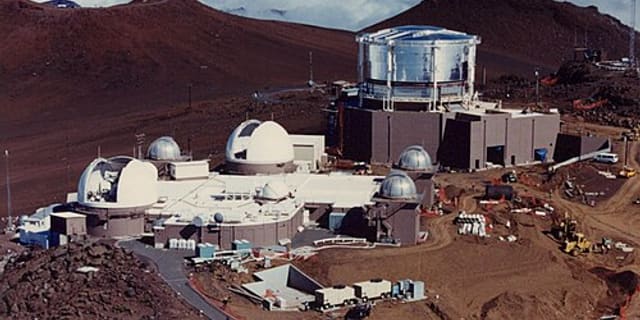
The site was formally designated for observatory use by executive order of Hawaii's governor in 1961. It is owned and managed by the Institute for Astronomy of the University of Hawaiʻi, which operates some facilities directly and leases 18 acres, known as "Science City," to other organisations and tenants.
Telescopes & research
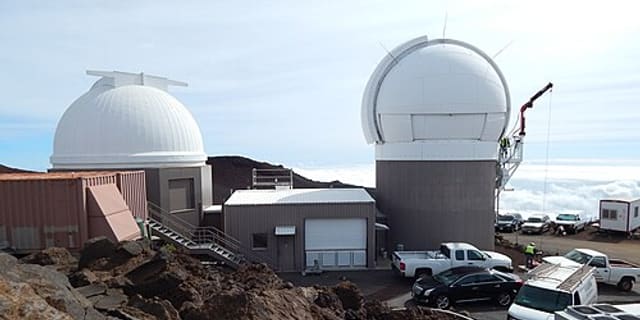
Tenants and facilities at the site include the Air Force Research Laboratory (AFRL), the Las Cumbres Observatory Global Telescope Network, and the National Solar Observatory. Instruments on the mountain include Pan-STARRS, the 2-metre Faulkes Telescope North operated by Las Cumbres Observatory, the TLRS-4 Laser Ranging System, the Zodiacal Light Observatory, the Maui Space Surveillance Complex and the Mees Solar Observatory.
Location & getting there
The observatory complex sits at the summit of Haleakalā on Maui, Hawaii, one of the highest and clearest astronomical sites in the United States.
Visiting Haleakalā Observatory
Science City is not open to the general public and operates under United States Air Force oversight for space surveillance work. Visitors to Haleakalā National Park can still enjoy the summit area and its views, but the research facilities themselves are restricted.
See your named star from here
Few sites on Earth offer skies as clear as Haleakalā's summit, above a third of the atmosphere's turbulence. A star you've named through Star Register can be found here with nothing more than its coordinates, listed in our star catalogue.
Opening hours and public-visit programs vary by season. Check the official website and Google Maps for current times before you travel.
Institutional and reference sources used to verify this guide.
Satellite imagery: Esri, Maxar, Earthstar Geographics

 under 1 km
 under 1 km
Air Force Maui Optical and Supercomputing observatory
U.S. Air Force observatory in Hawaii

 under 1 km
Pan-STARRS
array of astronomical telescopes, cameras, and computing equipment which surveys the sky on a continual basis

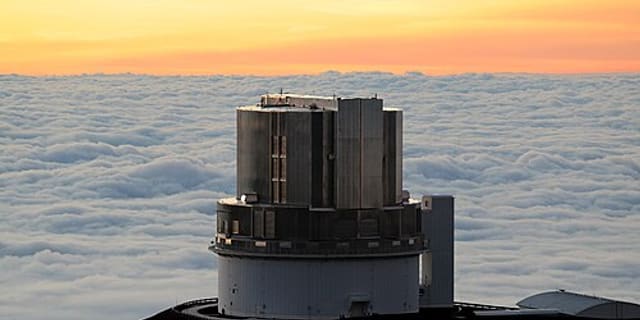 128 km