
Maunakea Observatories


Image: Wikimedia Commons
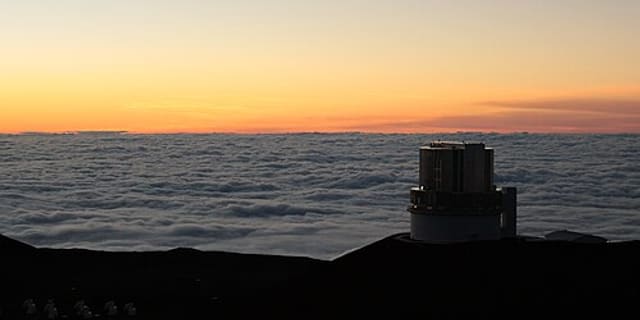
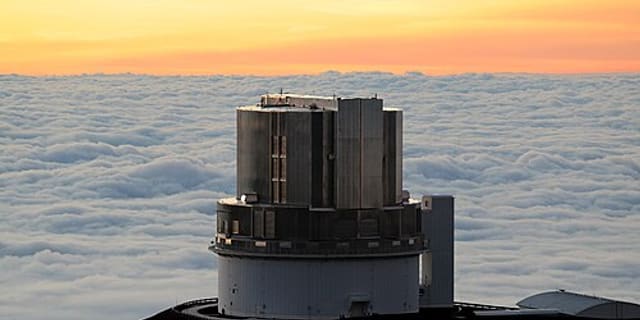
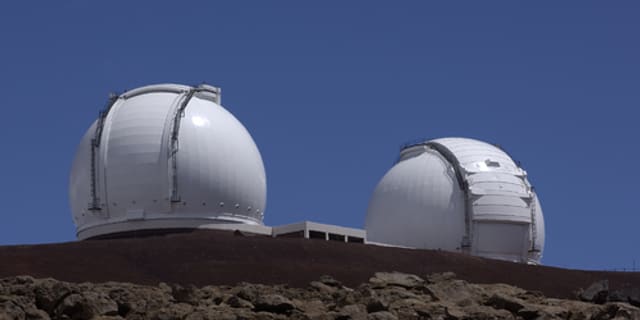
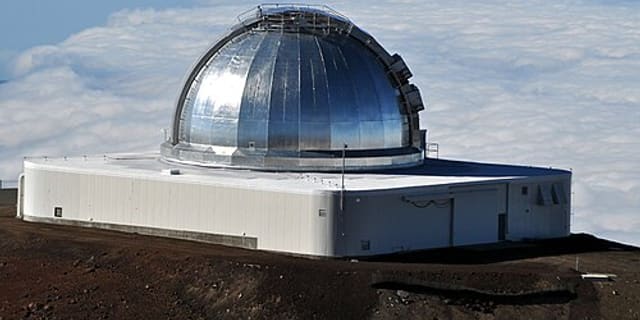
The Maunakea Observatories (MKO) are a group of independent astronomical research facilities and large telescope observatories located at the summit of Mauna Kea on the island of Hawaiʻi, United States.
About Maunakea Observatories
The facilities sit within the 525-acre Astronomy Precinct, a special land use zone inside the larger 11,228-acre Mauna Kea Science Reserve, land that is protected under the Historical Preservation Act for its deep significance to Hawaiian culture. The presence and continued construction of telescopes here has been the subject of ongoing controversy given Mauna Kea's central place in native Hawaiian religion and culture, alongside environmental concerns.
History
The Astronomy Precinct was established in 1967, and the collaboration that oversees the various observatories was formalised the following year, in 1968, beginning Mauna Kea's evolution into one of the world's premier astronomical sites.
Telescopes & research
Mauna Kea's summit is considered nearly ideal for astronomy: its dark skies are free of significant light pollution, and its position above much of the atmosphere's water vapour, combined with low atmospheric turbulence, low humidity, clean air, and low cloud cover, produces outstanding astronomical seeing. The site hosts around thirteen major telescopes, including the 10.4-metre Gran Telescopio Canarias-class instruments among the world's largest single-aperture telescopes found on the mountain.
Location & getting there
The observatories sit at an elevation of 4,205 metres at the summit of Mauna Kea, on Hawaii's Big Island in the North America region, making it one of the highest points reachable by road in the Pacific.
Visiting Maunakea Observatories
Visitor access to the summit and its facilities is managed carefully given the site's altitude, cultural significance, and environmental sensitivity. Check the official Maunakea Observatories website for current visiting guidelines before planning a trip.
See your named star from here
Few places on Earth offer views of the night sky as clear as the summit of Mauna Kea. If you've named a star with Star Register, its coordinates are ready to explore any time in our star catalogue.
Opening hours and public-visit programs vary by season. Check the official website and Google Maps for current times before you travel.
Institutional and reference sources used to verify this guide.
Satellite imagery: Esri, Maxar, Earthstar Geographics

 under 1 km
 under 1 km
 under 1 km
 under 1 km