
NASA Infrared Telescope Facility

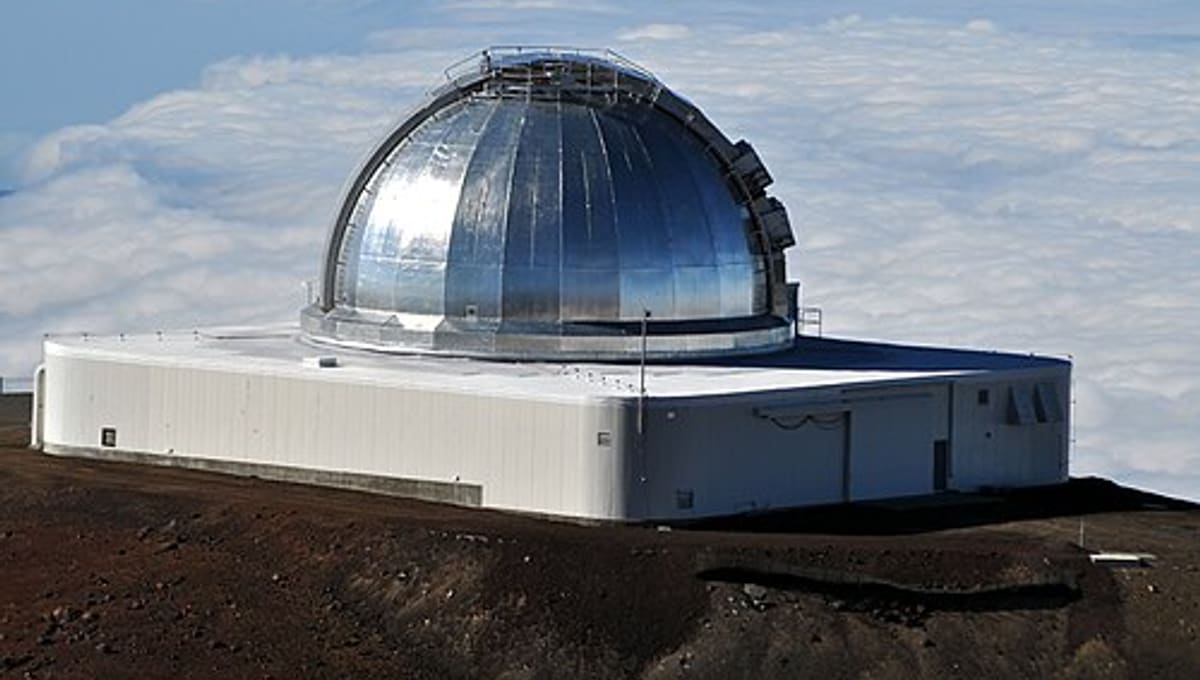
Image: Wikimedia Commons
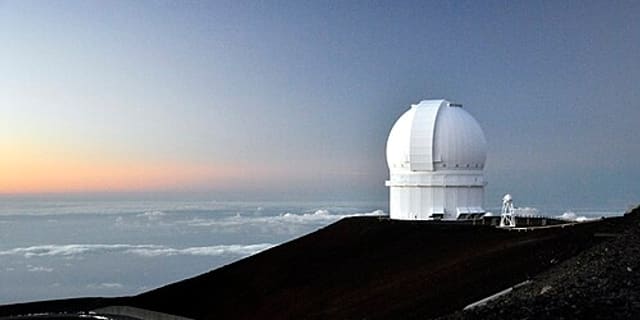
The NASA Infrared Telescope Facility sits near the summit of Mauna Kea in Hawaii, where its 3.2-metre mirror has spent decades studying everything from asteroids to distant planetary systems.
About NASA Infrared Telescope Facility
NASA IRTF is a 3.2-metre (10-foot) telescope optimised for infrared astronomy, located at the Mauna Kea Observatory in Hawaii. It is operated by the University of Hawaii's Institute for Astronomy under a cooperative agreement with NASA.
History
The telescope was originally built to support NASA's Voyager missions to the outer planets. It has since grown into the United States' national facility for infrared astronomy, continuing to support planetary science, solar neighbourhood studies, and deep-space research long after its original mission ended.
Telescopes & research
Under IRTF's time allocation rules, at least half of all observing time is reserved for planetary science, reflecting the facility's roots in solar system exploration. The remainder supports a broad range of infrared astronomy, from nearby stars to more distant objects.
Location & getting there
IRTF is located on Mauna Kea in Hawaii, part of the North America region for the purposes of this directory, at one of the highest and most prized astronomical sites in the world thanks to its altitude and dry, stable air.
Visiting NASA Infrared Telescope Facility
Details on visiting or tours can be found on the facility's official website, irtfweb.ifa.hawaii.edu; as with most working research telescopes on Mauna Kea, public access is limited and it is worth checking current policies before travelling.
See your named star from here
A telescope built for precision infrared work like IRTF operates on exactly the same coordinate system, right ascension and declination, used to pinpoint every star named through Star Register. Browse the catalogue to find a star, or choose a naming package to name one yourself.
Opening hours and public-visit programs vary by season. Check the official website and Google Maps for current times before you travel.
Institutional and reference sources used to verify this guide.
Satellite imagery: Esri, Maxar, Earthstar Geographics

 under 1 km
 under 1 km
 under 1 km
 under 1 km