
Madras Observatory

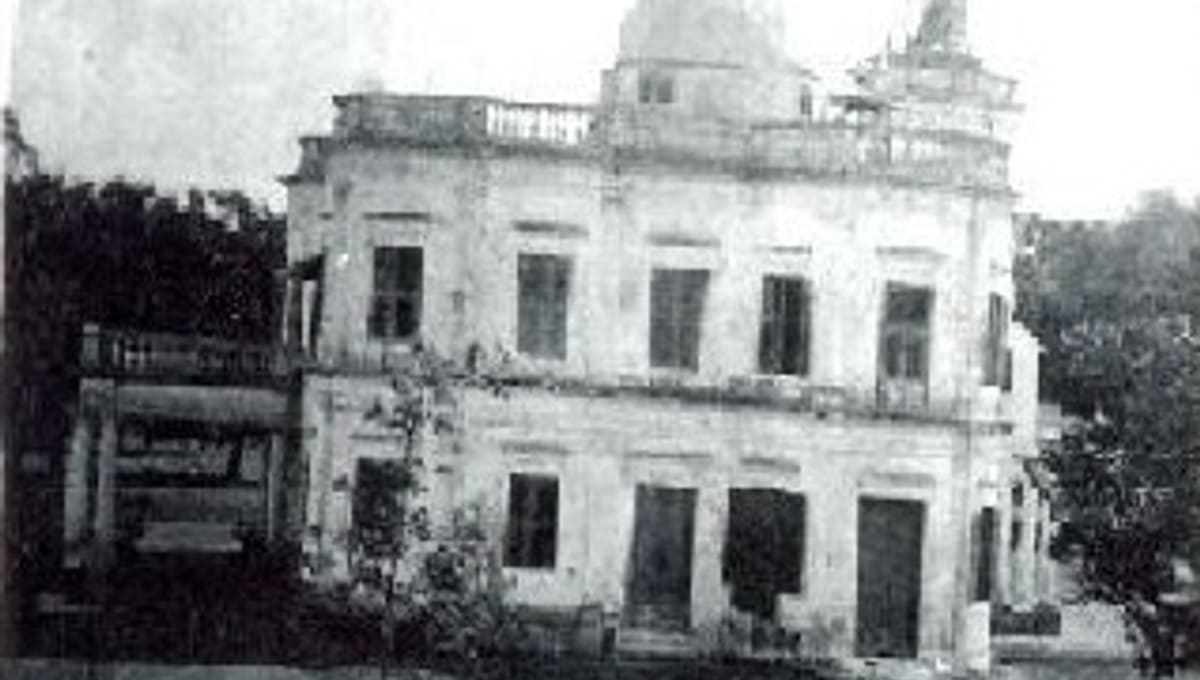
Image: Wikimedia Commons
Madras Observatory was a historic astronomical observatory in what is now Chennai, India, with roots reaching back to the late 18th century.
About Madras Observatory
The observatory began as a private facility and grew into an official scientific institution under British colonial administration, playing an important role in navigation, mapping, and star cataloguing across South Asia.
History
Madras Observatory originated as a private observatory set up by William Petrie in 1786. It was later moved and taken over by the British East India Company from 1792, operating in Madras (now Chennai) until 1931. Its primary early purpose was to assist navigation and mapping through precise latitude recording and time-standard maintenance; in later years it expanded into star observation and geomagnetism. Its major achievement was producing a comprehensive catalogue of stars, a significant contribution to 19th-century astronomy.
Location & getting there
The observatory operated in Madras, the historic name for present-day Chennai, on India's south-eastern coast.
Visiting Madras Observatory
As the observatory ceased operations in 1931, no current public visiting programme exists at its original site. Its legacy is documented through historical and astronomical archives rather than an active facility.
See your named star from here
Madras Observatory's star catalogue was built star by star, coordinate by coordinate — the same principle behind a Star Register name today. Name a star and find its exact position in our catalogue.
Opening hours and public-visit programs vary by season. Check Google Maps for current times before you travel.
Institutional and reference sources used to verify this guide.
Satellite imagery: Esri, Maxar, Earthstar Geographics

 437 kmSolar
 621 km