
Las Campanas Observatory

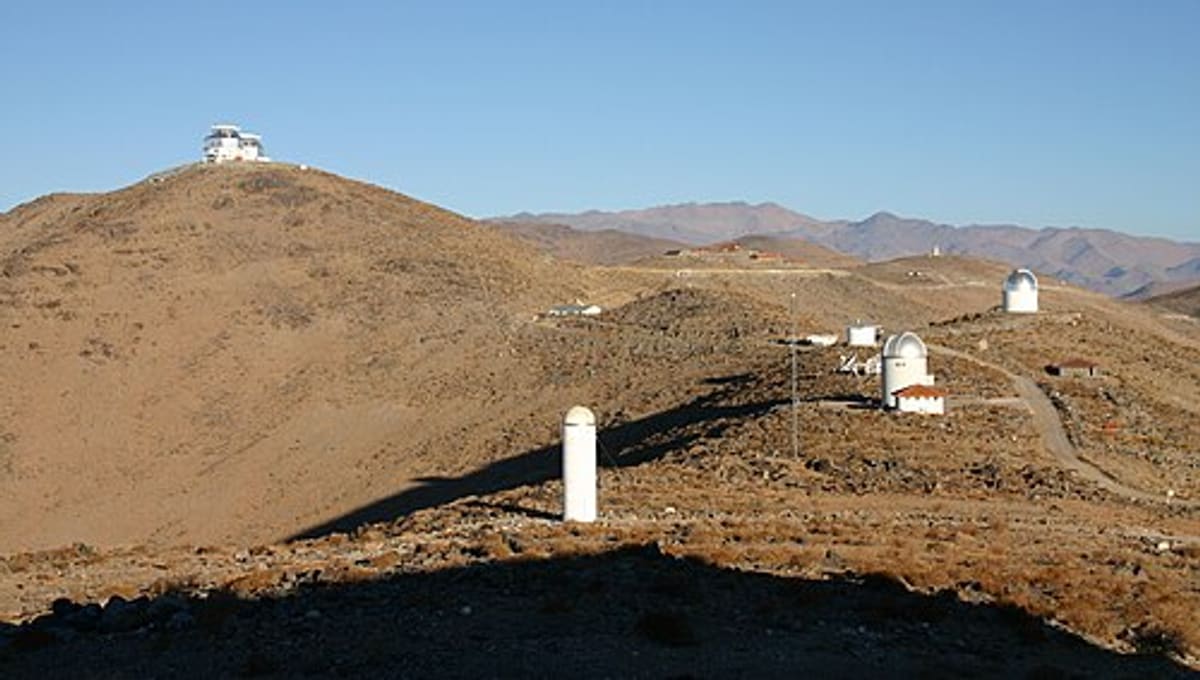
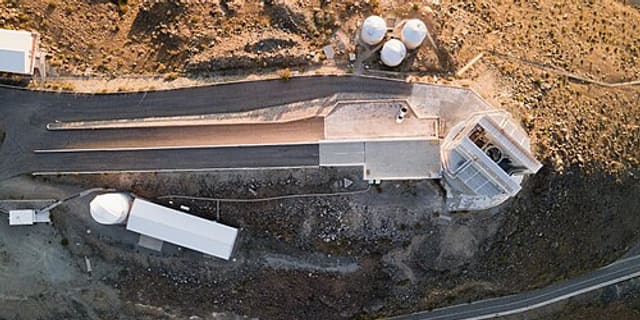
Image: Wikimedia Commons
High on a mountain ridge in Chile's Atacama Region, Las Campanas Observatory has given astronomers some of the clearest skies on Earth since 1971, and it's now preparing to host one of the next generation of giant telescopes.
About Las Campanas Observatory
Las Campanas Observatory (LCO) is managed by the Carnegie Institution for Science and sits about 100 kilometres northeast of the city of La Serena. Its telescopes and support facilities are positioned near the northern end of a 7-kilometre mountain ridge.
History
Las Campanas was founded in 1971 as the Carnegie Institution's primary observing site, taking over that role from Mount Wilson Observatory in California after growing light pollution from Los Angeles compromised Mount Wilson's dark skies. Carnegie Observatories is headquartered in Pasadena, California, while its Chilean operations are run from an office in La Serena, near the University of La Serena.
Telescopes & research
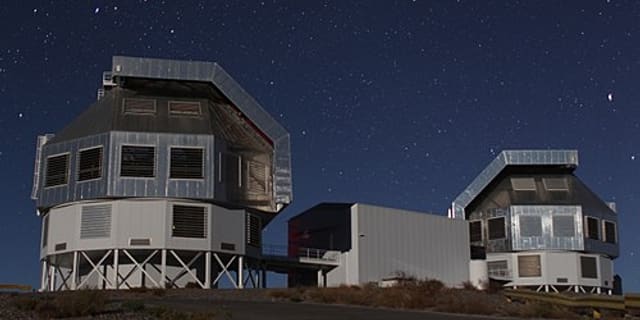
Cerro Las Campanas, near the southern end of the same ridge and standing over 2,500 metres tall, has been chosen as the future home of the Giant Magellan Telescope, one of the largest optical telescopes under construction anywhere in the world.
Location & getting there
The observatory sits at an elevation of 2,380 metres in Chile's Atacama Region, one of the driest and clearest places on the planet for astronomy. It is served by the nearby Pelicano Airport, about 23 kilometres to the southwest.
Visiting Las Campanas Observatory
Check the observatory's official website for current tour availability and visitor guidelines before planning a trip, as access to working research sites like this is typically limited and scheduled in advance.
See your named star from here
Las Campanas' astronomers work with precise sky coordinates every night, the same kind of coordinates you receive when you name a star with Star Register. Under Atacama's famously dark skies, those coordinates make it possible to locate your star with a telescope or stargazing app. Browse our star-naming packages or search the star catalogue.
Opening hours and public-visit programs vary by season. Check the official website and Google Maps for current times before you travel.
Institutional and reference sources used to verify this guide.
Satellite imagery: Esri, Maxar, Earthstar Geographics

 under 1 km
 under 1 km
 27 km
27 km
 27 km
27 km