
European Southern Observatory

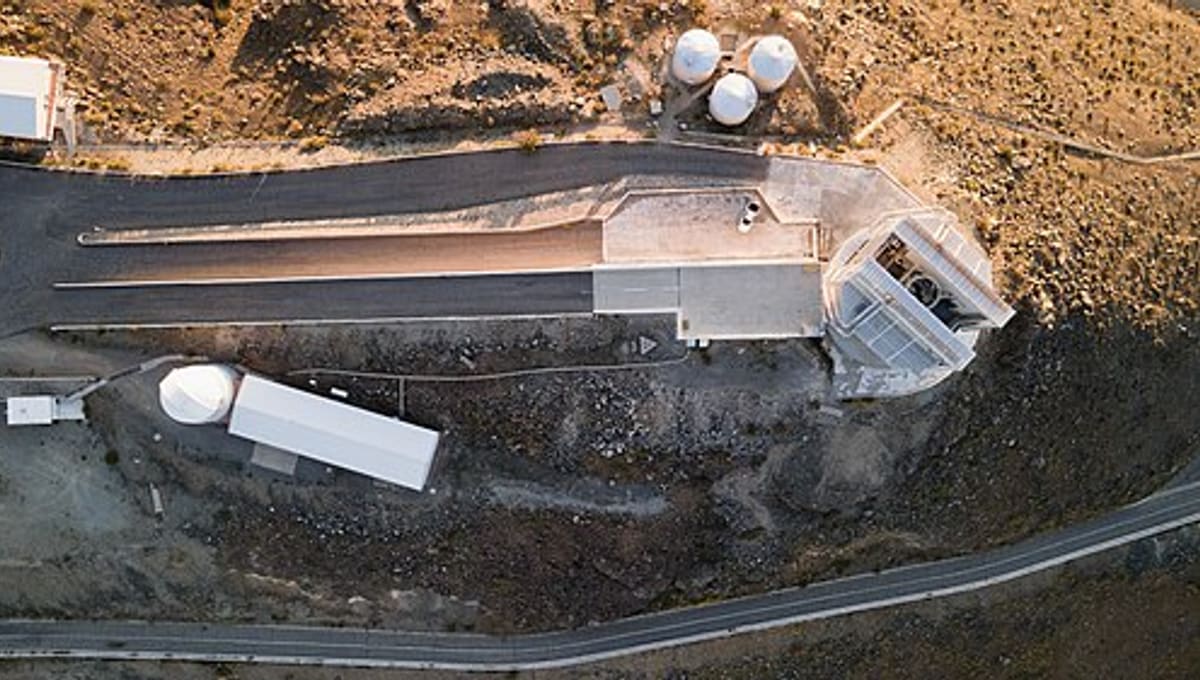
Image: Wikimedia Commons
High in Chile's southern Atacama Desert, this location belongs to the European Southern Observatory (ESO), the intergovernmental organisation behind some of the world's most powerful ground-based telescopes.
About European Southern Observatory
ESO was founded in 1962 and now counts 16 member states supporting ground-based astronomy. It operates three observing sites in Chile, and these coordinates correspond to La Silla, ESO's original Chilean site, roughly 600 km north of Santiago at about 2,400 metres elevation.
Telescopes & research
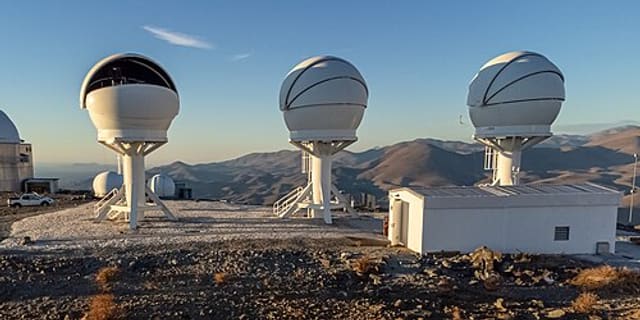
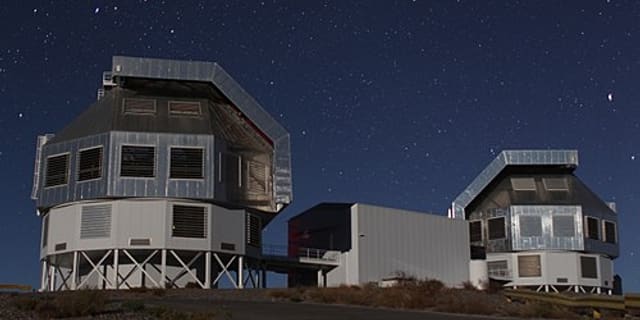
La Silla hosts the 3.6-metre telescope, the New Technology Telescope (NTT), and the 2.2-metre Max-Planck-ESO Telescope. Elsewhere in Chile, ESO also runs Paranal Observatory, at 2,635 metres on Cerro Paranal, home to the Very Large Telescope's four 8.2-metre units and one of the largest optical-infrared observatories in the world, and the Chajnantor plateau at 5,000 metres, site of the ALMA millimetre/submillimetre array.
Location & getting there
La Silla sits in one of the driest, darkest places on Earth, in Chile's Atacama Desert, an environment prized by astronomers precisely because of its clear, stable air and near-total absence of light pollution.
Visiting European Southern Observatory
ESO's Chilean sites run public visitor programmes on selected dates; check ESO's official website for current tour schedules and booking details before travelling, since access to these remote, active research sites is controlled.
See your named star from here
Few places on Earth offer darker skies for finding a named star than the Atacama Desert. Look up your star's exact coordinates in the Star Register catalogue, or start a naming through one of our packages.
Opening hours and public-visit programs vary by season. Check Google Maps for current times before you travel.
Institutional and reference sources used to verify this guide.
Satellite imagery: Esri, Maxar, Earthstar Geographics

 under 1 km
 27 km
27 km
 27 km
27 km