
Indian Astronomical Observatory (IAO)

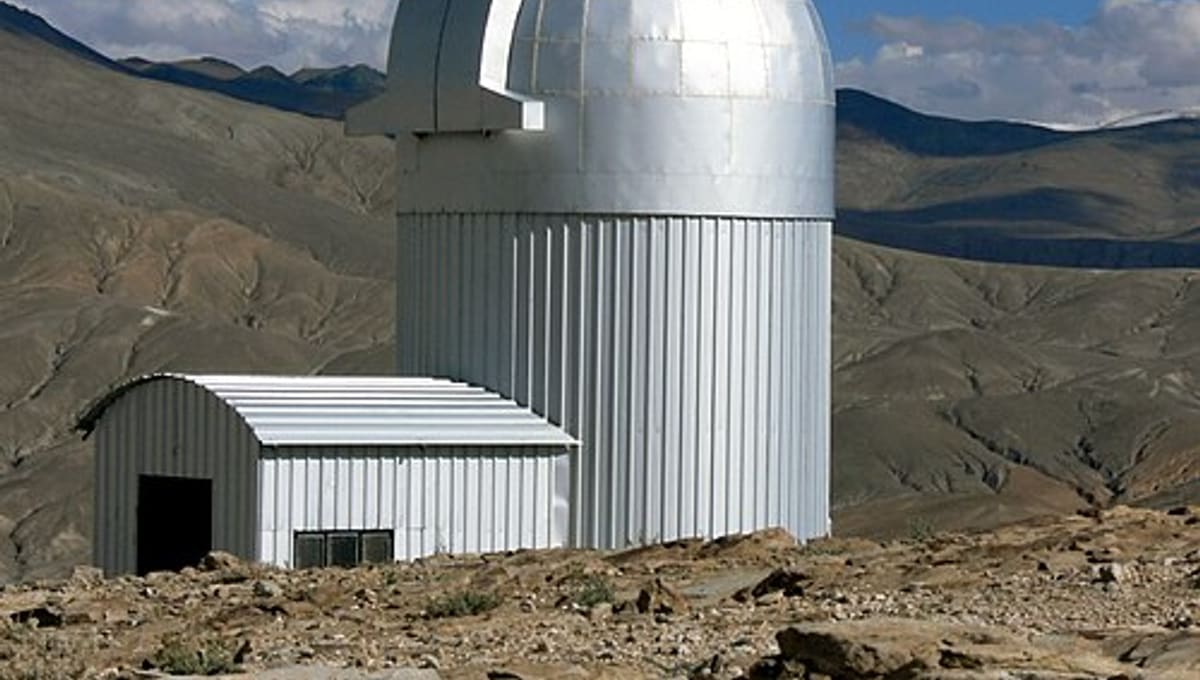
Image: Wikimedia Commons
The Indian Astronomical Observatory (IAO) crowns Mount Saraswati above Hanle, Ladakh, at 4,500 metres — one of the highest sites on Earth for optical, infrared and gamma-ray astronomy.
About the Indian Astronomical Observatory
Operated by the Indian Institute of Astrophysics in Bangalore, the IAO occupies Digpa-rasta Ri on Mount Saraswati in the Western Himalayas. At 4,500 metres (14,800 ft), it ranks as the tenth-highest optical telescope site in the world, chosen for its thin, dry, high-altitude air that gives exceptionally clear skies.
History
Site selection was led by a committee headed by B.V. Sreekantan in the late 1980s, with telescope design work beginning in 1992. The observatory saw first light on the nights of 26–27 September 2000 and was formally dedicated on 29 August 2001.
Telescopes & research
Its main instrument is a 2-metre optical telescope, supporting research spanning optical, infrared, sub-millimetre and millimetre wavelengths, as well as studies of cosmic rays, gamma rays and deep-sky phenomena.
Location & getting there
The IAO sits near Hanle in Ladakh, India, in the remote Western Himalayas — a high-altitude, low-light-pollution setting that is part of what makes it scientifically valuable.
Visiting the Indian Astronomical Observatory
Given its altitude and remote Himalayan location, visits typically require planning around Ladakh travel conditions; check the Indian Institute of Astrophysics' official channels for current access details before travelling.
See your named star from here
Skies this clear are exactly the kind that make a named star easy to find with the right coordinates. Look up your star's right ascension and declination in the star catalogue and bring them along on your next high-altitude stargazing trip.
Opening hours and public-visit programs vary by season. Check the official website and Google Maps for current times before you travel.
Institutional and reference sources used to verify this guide.
Satellite imagery: Esri, Maxar, Earthstar Geographics

 386 km
Devasthal Observatory
observatory center under department of science and technology government of India situated at Uttrakhand India