
Ali Observatory
Satellite imagery: Esri, Maxar, Earthstar Geographics
High on the Tibetan plateau, at 5,047 metres above sea level near Shiquanhe in Ngari (Ali) prefecture, Ali Observatory ranks among the highest-altitude astronomical sites on Earth.
About Ali Observatory
Ali Observatory was established in 2010 by the National Astronomical Observatories of China (NAOC), after site testing that began in 2005 confirmed the location's exceptional observing conditions. It now hosts a growing collection of telescopes, from small instruments already in operation to meter-class telescopes under development.
History
Site surveys started in 2005, and construction with initial small telescopes became operational from 2010. Since then, Ali Observatory has grown into one of the sites China relies on most for high-altitude, dry-climate astronomy.
Telescopes & research
Studies of the site record around 57% clear nights, seeing of about 0.8 arcseconds, and precipitable water vapour as low as 2.5 millimetres - figures that rank Ali alongside the world's best astronomical sites. Las Cumbres Observatory operates a 1-metre telescope here as part of its global network, alongside several smaller instruments.
Location & getting there
Ali Observatory sits at 5,047 metres in the remote Ngari prefecture of western Tibet, China - a high, dry, sparsely populated plateau chosen precisely for its minimal light pollution and radio interference.
Visiting Ali Observatory
Ali Observatory is a working research facility in a remote, high-altitude location, so public visiting is limited. Anyone planning a trip should check current access arrangements well in advance, given the altitude and isolation of the site.
See your named star from here
Sites like Ali Observatory represent some of the clearest skies on the planet - exactly the conditions that make a named star easiest to find. Check the star catalogue for its coordinates, and see which other observatories could help you view it.
Opening hours and public-visit programs vary by season. Check Google Maps for current times before you travel.
Institutional and reference sources used to verify this guide.
Satellite imagery: Esri, Maxar, Earthstar Geographics

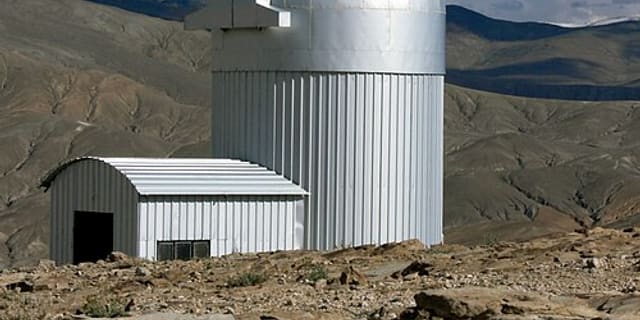 112 km
Indian Astronomical Observatory (IAO)
located near Leh, Ladakh, India; has one of the world's highest sites for optical, infrared, gamma-ray telescopes

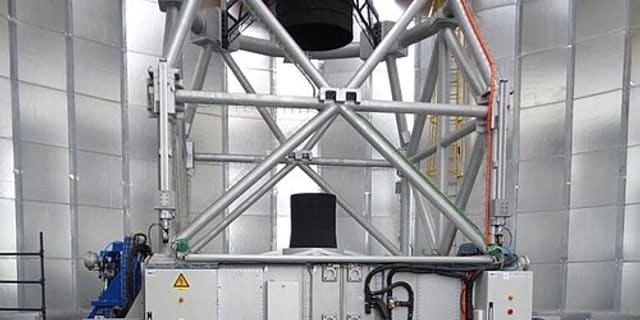 331 km
Devasthal Observatory
observatory center under department of science and technology government of India situated at Uttrakhand India