
Geophysical Observatory of Huancayo
Satellite imagery: Esri, Maxar, Earthstar Geographics
High in the Peruvian Andes at 3,314 metres above sea level, the Geophysical Observatory of Huancayo has been monitoring the Earth's magnetic field and atmosphere since it began operations on 3 March 1922.
About the Geophysical Observatory of Huancayo
The observatory was built between 1919 and 1921 by the Department of Terrestrial Magnetism of the Carnegie Institution of Washington, chosen for its position almost directly under the Earth's magnetic equator, an ideal location for studying geomagnetic and atmospheric phenomena.
History
Since opening in 1922, the observatory has produced two significant scientific discoveries associated with its data: the Forbush Decrease effect, a drop in cosmic ray intensity linked to solar activity, and the Equatorial Electrojet, a band of electric current in the upper atmosphere near the magnetic equator. In 2003 it joined INTERMAGNET, the International Real-Time Magnetic Observatory Network.
Location & getting there
The observatory sits at 3,314 metres elevation in the Huancayo region of central Peru's Andean highlands, in South America, a remote high-altitude setting that also contributes to its unusually clear skies.
Visiting the Geophysical Observatory of Huancayo
As a working geomagnetic research station, the observatory is not set up as a general tourist attraction. Anyone wishing to visit should check with the operating institution before planning a trip, given its remote Andean location.
See your named star from here
Huancayo's instruments track invisible currents in the Earth's magnetic field, but its high-altitude Andean skies are prized by astronomers for very different reasons: thin, clear air ideal for stargazing. With a named star's coordinates in hand, any observatory equipped with a telescope can help you find it in that sky. Name a star, or browse the star catalogue.
Opening hours and public-visit programs vary by season. Check Google Maps for current times before you travel.
Institutional and reference sources used to verify this guide.
Satellite imagery: Esri, Maxar, Earthstar Geographics

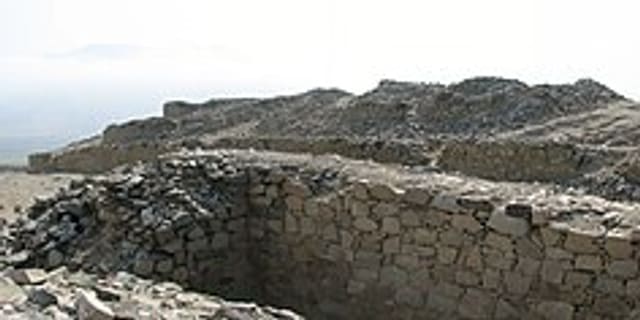 422 km
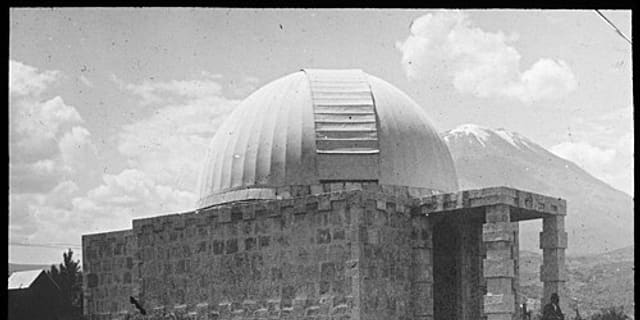 630 km
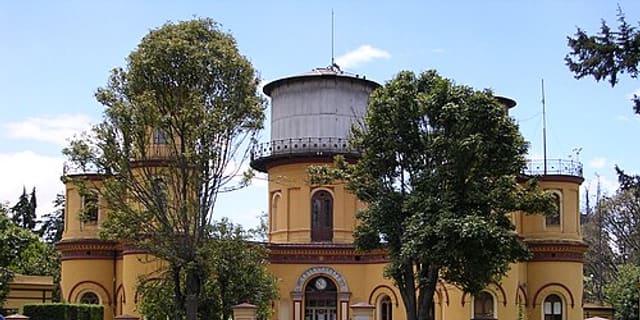 1,361 km