
Forcarei Astronomical Observatory

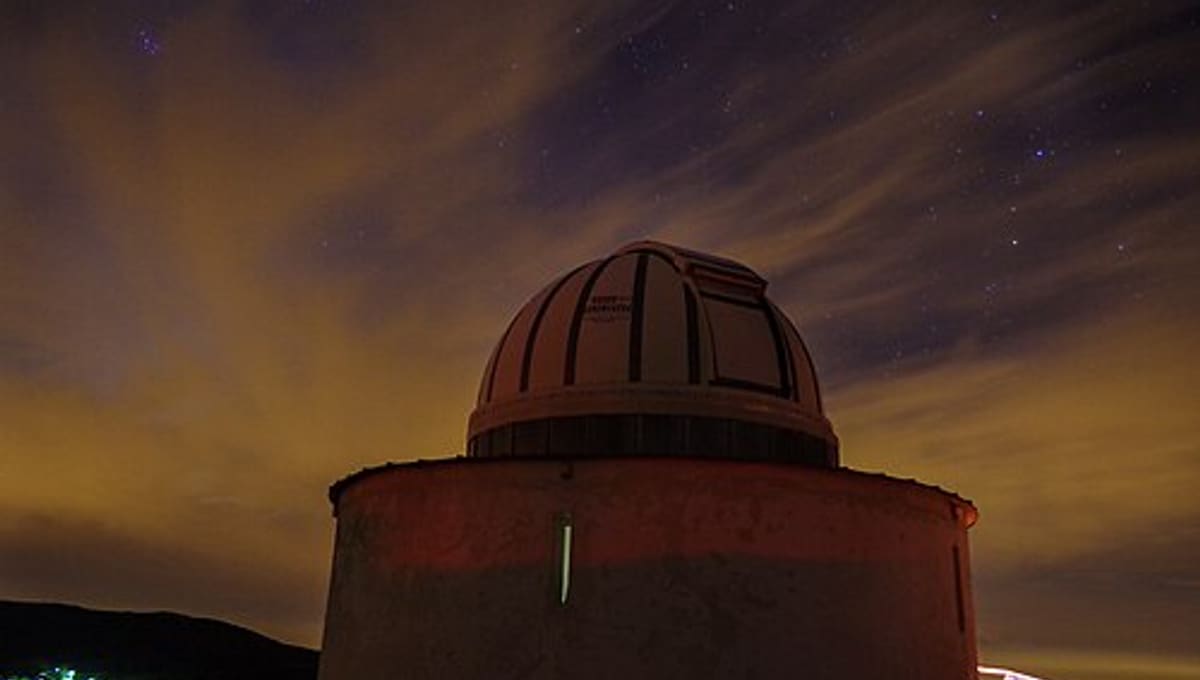
Image: Wikimedia Commons
Forcarei Astronomical Observatory sits at 670 metres above sea level in the municipality of Forcarei, in the Galicia region of northwest Spain, where hilltop skies away from coastal light domes make for steady viewing.
About Forcarei Astronomical Observatory
The observatory was opened on 13 March 2009 through a partnership between the Concello de Forcarei, the amateur astronomy group Astro-Vigo, the University of Vigo and the provincial government, and it has since become a focal point for astrotourism in inland Galicia.
History
Since opening in 2009, the observatory has hosted public night-sky sessions and a meeting tied to the International Year of Astronomy. It is also gearing up to welcome visitors for the total solar eclipse crossing Spain in August 2026.
Telescopes & research
Forcarei's main instrument is a 50cm reflector telescope housed in a 4-metre dome, paired with a 4008 x 2672 pixel CCD camera. In October 2010 the observatory captured the first images of Comet Hartley 2 taken from Spain, and its team has also carried out supernova follow-up observations.
Location & getting there
The observatory is in the municipality of Forcarei, Galicia, at 670 metres elevation, in the Europe region of Spain. Its inland, hilltop setting away from the coast helps keep skies dark for both public sessions and research work.
Visiting Forcarei Astronomical Observatory
The observatory runs public night sessions and astrotourism activities, including preparations for the August 2026 total solar eclipse. Check the official site or the Concello de Forcarei's astronomical observatory page for current dates and booking details before travelling.
See your named star from here
With a 50cm telescope capable of tracking comets and supernovae, Forcarei's staff have the equipment and skill to point at almost any set of sky coordinates, including those of a named star. Name a star or check the star catalogue for its exact position.
Opening hours and public-visit programs vary by season. Check the official website and Google Maps for current times before you travel.
Institutional and reference sources used to verify this guide.
Satellite imagery: Esri, Maxar, Earthstar Geographics

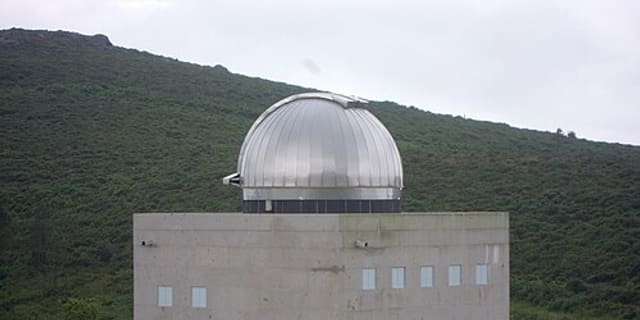 15 km
15 km
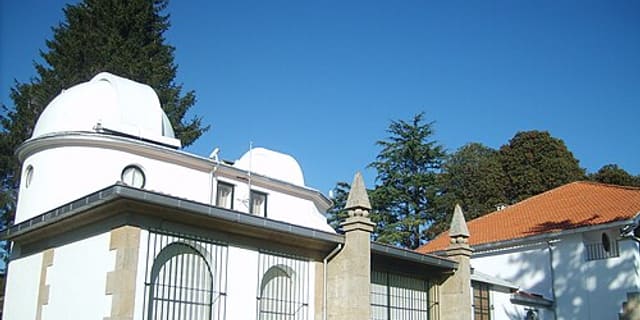 33 km
33 km
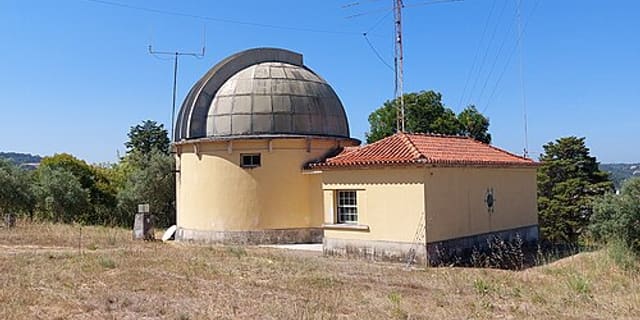 268 kmResearch